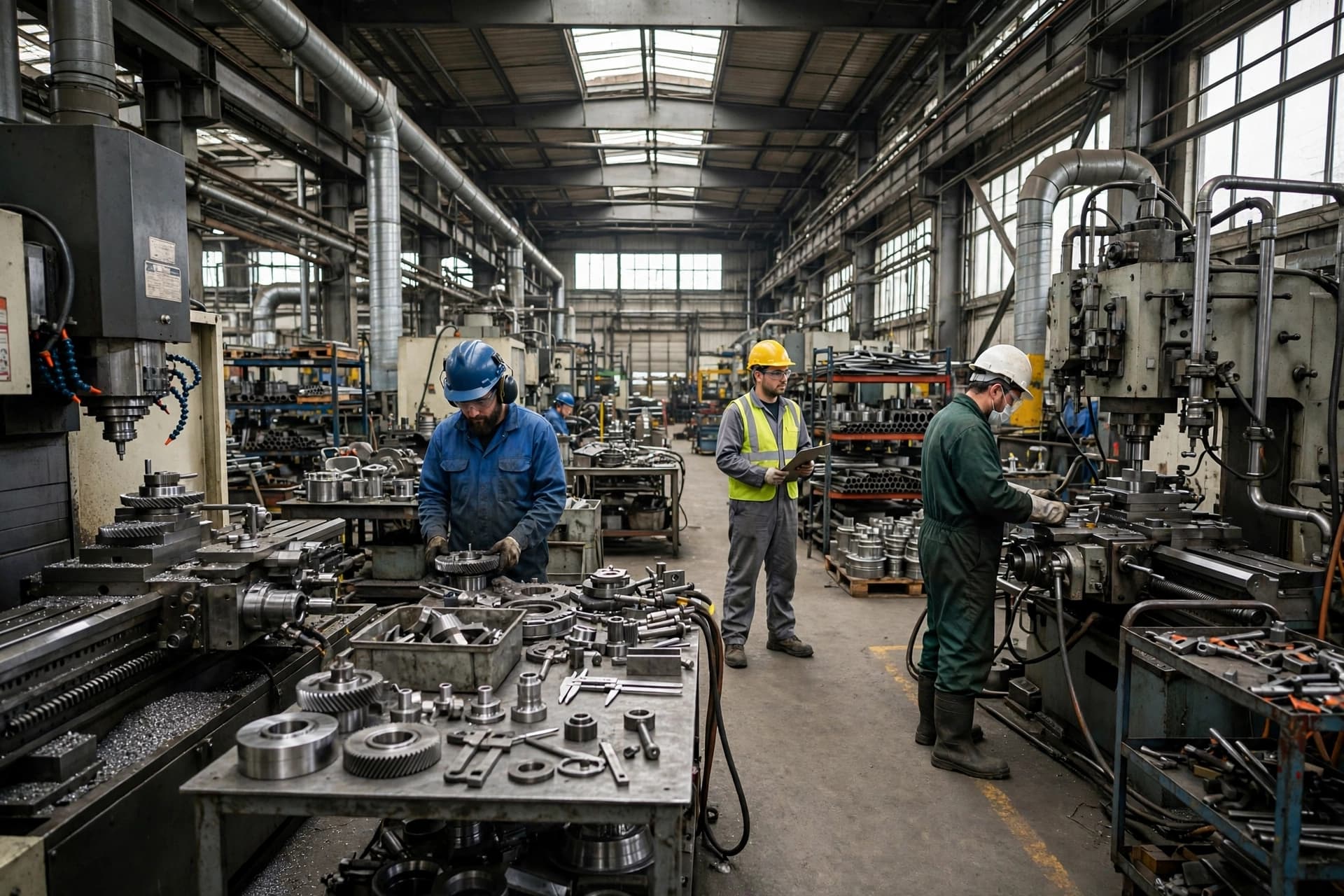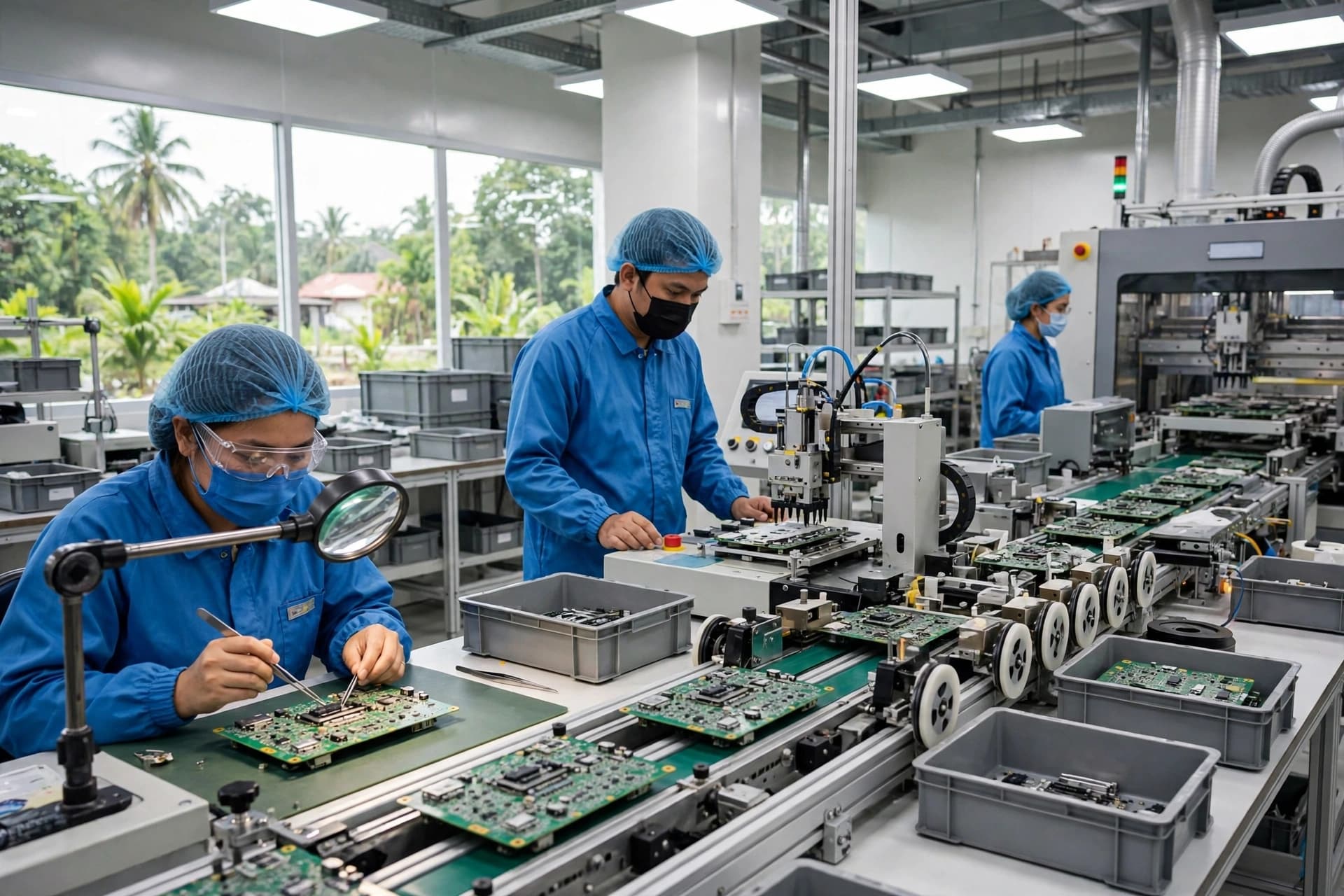
Much of the American economy moves without the noise of factories. It travels through restaurants, offices, hospitals, financial firms, hotels and countless other services that fill the spaces between manufacturing and daily life.
That broad service economy maintained a strong pace of growth in July. The Institute for Supply Management's nonmanufacturing purchasing managers index rose slightly to 54.1 from 54.0 in June, according to data reported by Reuters.
A reading above 50 indicates expansion, meaning the July figure continued to show growth in the sector. Services account for more than two-thirds of U.S. economic activity, giving the monthly index an important place in the broader economic picture.
The July results were supported by stronger new orders. Businesses reported continued demand from customers, suggesting that spending remained sufficiently firm to keep activity expanding.
Yet another part of the report moved in the opposite direction. Employment declined, showing that businesses were expanding their activity without necessarily increasing their workforce at the same pace.
Higher input prices also remained a concern. Rising costs can place pressure on businesses, particularly those operating with narrow margins, and can eventually influence the prices paid by consumers.
The combination of stronger orders, higher input costs and softer employment creates a mixed picture. The service economy continues to expand, but companies are navigating the expansion with attention to costs and staffing.
For consumers, these developments can appear in subtle ways. A restaurant may remain busy while carefully managing its payroll, or a professional services company may receive more orders while delaying additional hiring.
The July reading therefore does not describe an economy moving in a single direction. Instead, it shows several currents operating at once: demand remains resilient, prices are elevated and employment growth is less certain.
That balance will remain important as the year progresses. Services represent the largest portion of U.S. economic activity, meaning continued expansion could provide support for broader growth even as other sectors experience changing conditions.
The ISM index's rise to 54.1 in July confirms that the U.S. service sector remained in expansion territory, while the decline in employment and continued pressure from input prices provide a more nuanced picture of the economy's current rhythm.
AI Image Disclaimer: These illustrations were produced with AI tools to visualize the reported U.S. service-sector conditions and are not photographs of specific businesses.
Sources: Reuters Institute for Supply Management
Published by Banx Network. This article is part of the Banx decentralized media programme, powered by the BXE token on the XRP Ledger.