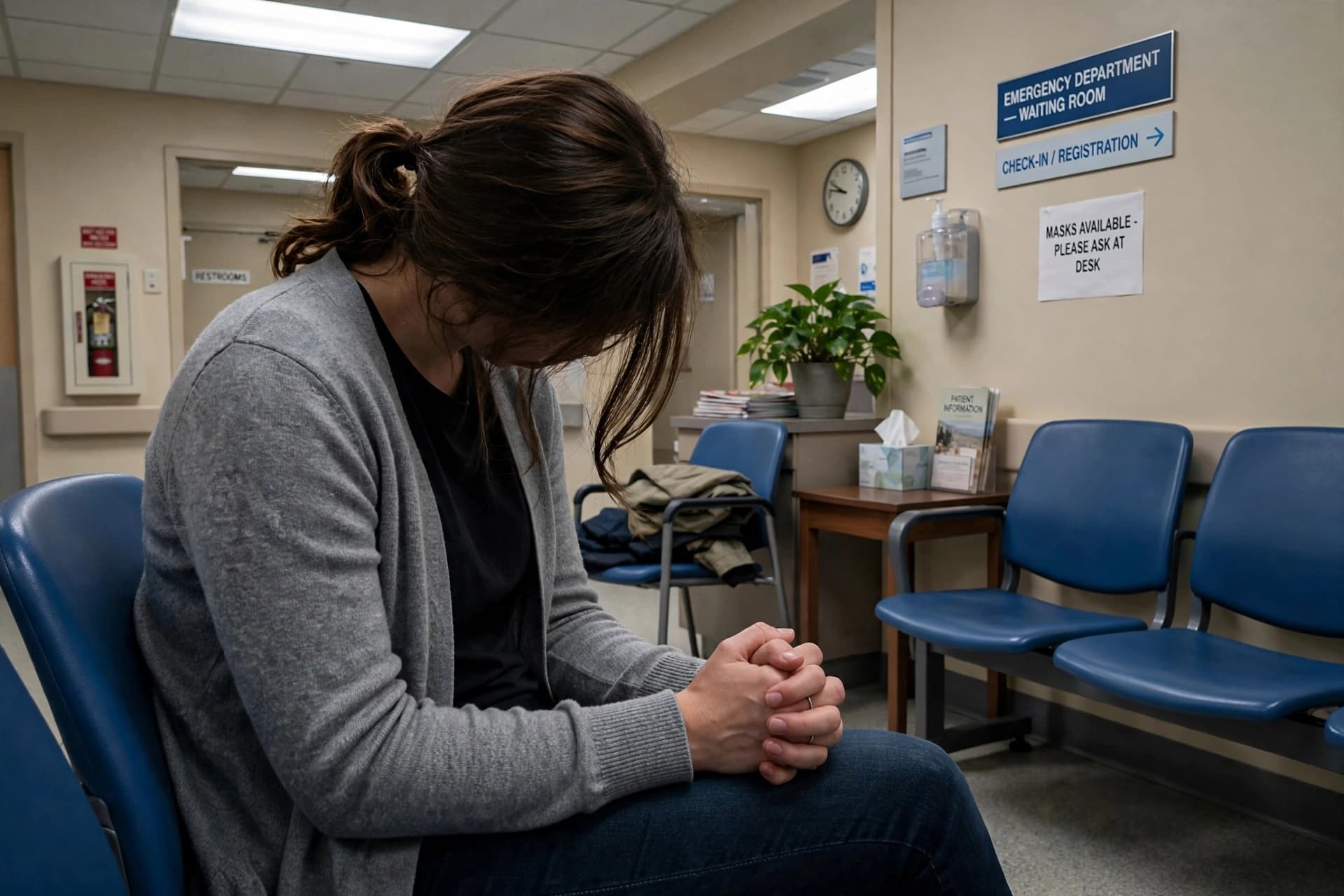
It is a quiet morning in Waukesha County, but beneath that stillness lies a reminder of the delicate balance between normal everyday life and the unseen threads of public health that bind communities together. Much like the sudden ripple caused by a lone pebble tossed into a pond, a single confirmed case of measles — a disease once all but banished from the United States — has stirred reflection among health officials and residents alike about how connected our world remains, and how quickly distant events can echo here at home.
On Monday, health authorities in Wisconsin announced that a resident of Waukesha County has tested positive for measles, marking the state’s first such case in 2026. While the news may be unsettling to some, officials offered reassurance: so far, no public exposure locations have been identified, and public health teams are actively working to trace and notify anyone who might have come into contact with the virus.
Public health experts say this case appears to be linked to international travel, a reminder of how global mobility can carry familiar concerns from afar into local neighborhoods. Measles is highly contagious; it spreads through the air when an infected person coughs or sneezes and can linger in the air for up to two hours afterward. Symptoms — including high fever, cough, runny nose, red eyes, and a distinctive rash — typically appear between 10 and 21 days after exposure.
In recent years, health officials have stressed vaccination as the most effective defense against measles. Two doses of the measles, mumps, and rubella (MMR) vaccine are approximately 97% effective in preventing the disease, and widespread immunization has been key to keeping outbreaks at bay. In communities with high vaccination coverage, the spread of measles is far less likely, but gaps in immunity can provide an opening for the virus to take hold.
This particular case comes amid broader national and global patterns in which measles has resurged after decades of low incidence, in part due to declining vaccination rates in some populations and ongoing international transmission. For local health departments, the response involves not only identifying potential exposures but also encouraging residents to review their vaccination status, especially if they plan to travel abroad or are unsure of their immunization history.
For now, the reassurance offered by officials — that no public exposure has been identified — sits alongside the sober acknowledgment that vigilance remains essential. The return of even a single case serves as a reminder that diseases once thought conquered can still find their way back into our lives, and it is the collective efforts of public health systems, medical professionals, and community members that keep them contained.
AI Image Disclaimer (Rotated Wording) “Graphics are AI‑generated and intended for representation, not reality.”
Sources Checked & Credible
WISN 12 News
FOX6 Now
Wisconsin Public Radio
TMJ4 News
Wisconsin Department of Health Services
Published by Banx Network. This article is part of the Banx decentralized media programme, powered by the BXE token on the XRP Ledger.