Mars, the red planet, has long captivated our imagination with its barren landscapes and dusty skies. Yet, beneath its dry surface lies a wetter past, a history written in rock and mineral. A recent study led by Purdue University has uncovered new evidence that water on Mars was not static but evolved significantly over time. From groundwater systems to ancient lakes, the presence of water shifted in form and duration, offering clues about the planet’s climatic history. This discovery deepens our understanding of Mars’ potential to have once supported life.
The research, utilizing data from NASA’s Perseverance and Curiosity rovers, focuses on sedimentary rocks in Jezero and Gale craters. These formations contain minerals that only form in the presence of water, such as clays and sulfates. By analyzing the chemical composition and structure of these rocks, scientists can reconstruct the environments in which they formed. The findings suggest that Mars experienced periods of sustained surface water, interspersed with drier phases dominated by groundwater activity.
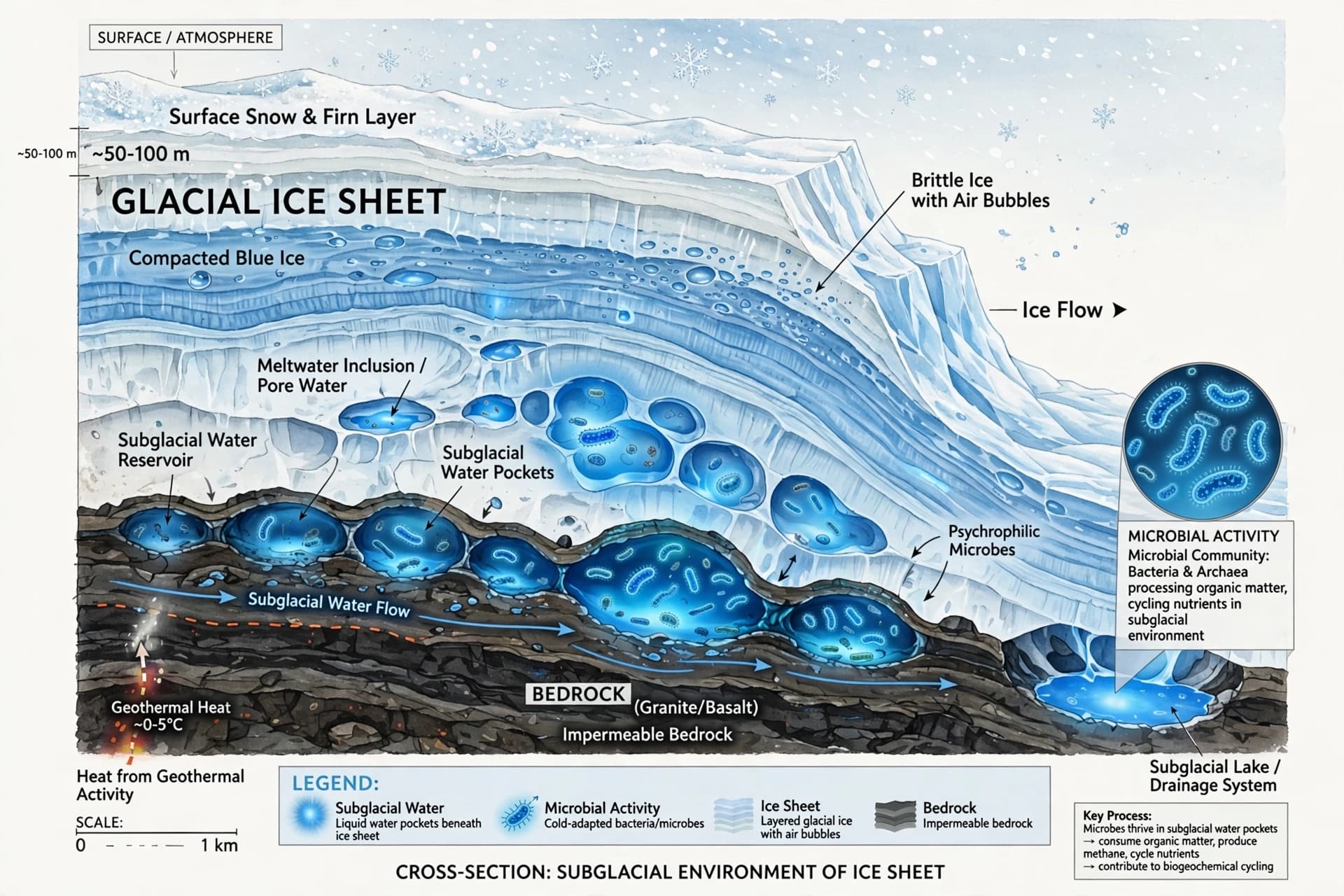
One key insight is the role of groundwater in shaping Martian geology. Unlike surface water, which evaporates quickly in the thin atmosphere, groundwater can persist for longer periods, interacting with rocks deep below the surface. This interaction alters mineralogy, creating signatures that rovers can detect. The study indicates that groundwater played a crucial role in preserving organic molecules, which are essential building blocks for life. This makes subsurface environments prime targets in the search for ancient biosignatures.
The shift from surface to subsurface water reflects broader climate changes on Mars. Billions of years ago, the planet likely had a thicker atmosphere and warmer temperatures, allowing rivers and lakes to exist. As the atmosphere thinned and the planet cooled, surface water disappeared, leaving groundwater as the primary reservoir. Understanding this transition helps scientists model the planet’s climatic evolution and compare it to Earth’s own history.
For astrobiologists, these findings are significant because they identify specific locations where life might have thrived. Areas with prolonged water-rock interactions are more likely to have preserved evidence of microbial life. The Purdue-led team’s work helps prioritize future exploration sites, guiding missions to the most promising geological features. It narrows the search, making the quest for life on Mars more focused and efficient.
The study also highlights the importance of interdisciplinary collaboration. Geologists, chemists, and planetary scientists worked together to interpret the complex data returned by the rovers. This collaborative approach ensures that findings are robust and well-supported by multiple lines of evidence. It exemplifies how modern space exploration relies on teamwork and diverse expertise to unlock planetary secrets.
As we look to the future, the lessons from Mars inform our understanding of habitability elsewhere. If water on Mars shifted over time, similar processes may occur on other worlds, such as Europa or Enceladus. By studying the Red Planet, we gain insights into the universal principles that govern water and life in the cosmos. It is a step toward answering the age-old question of whether we are alone in the universe.
The Purdue-led study reveals a dynamic history of water on Mars, shifting from surface lakes to subsurface groundwater. This evolution provides critical context for the search for ancient life. As exploration continues, each discovery brings us closer to understanding the potential for life beyond Earth.
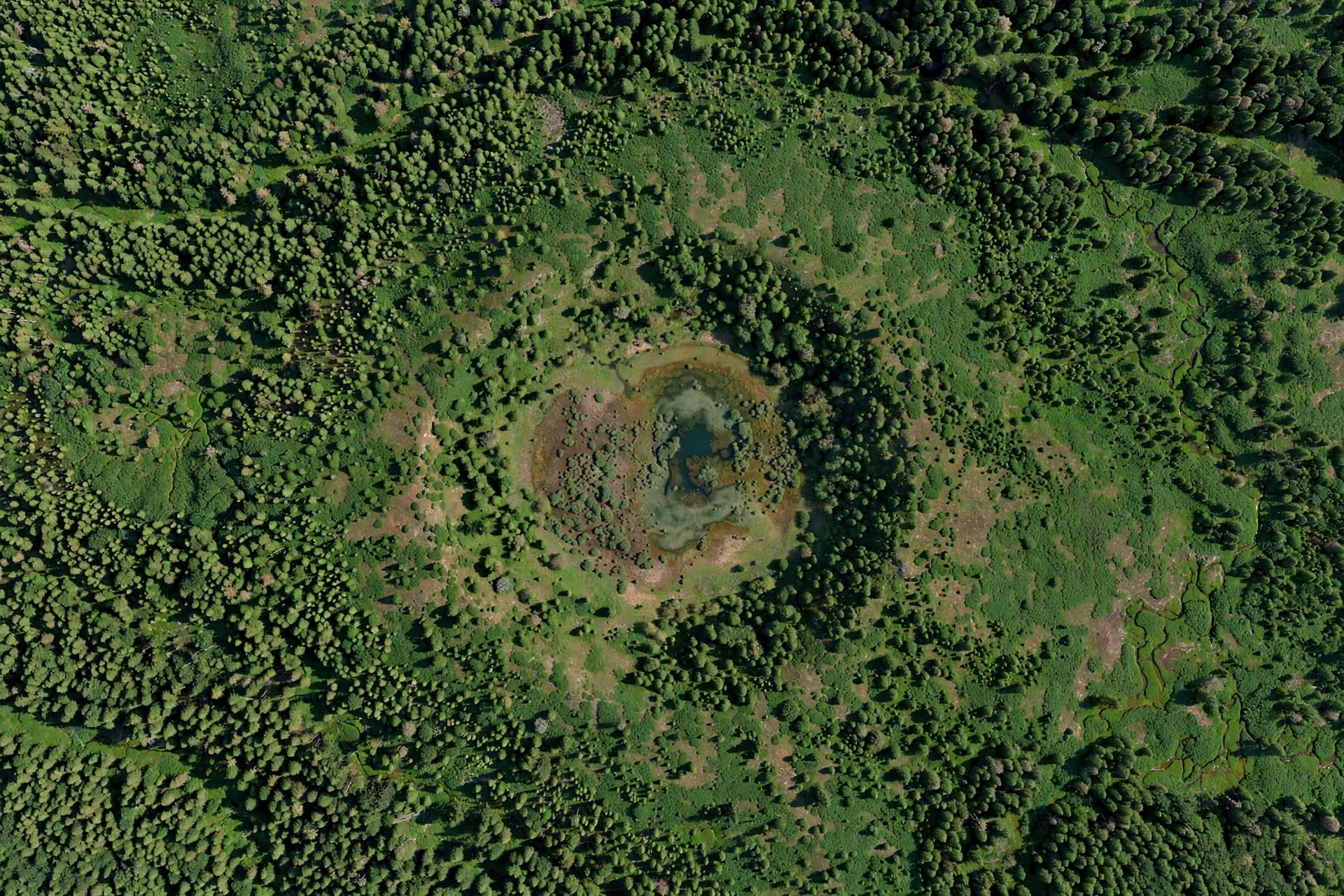
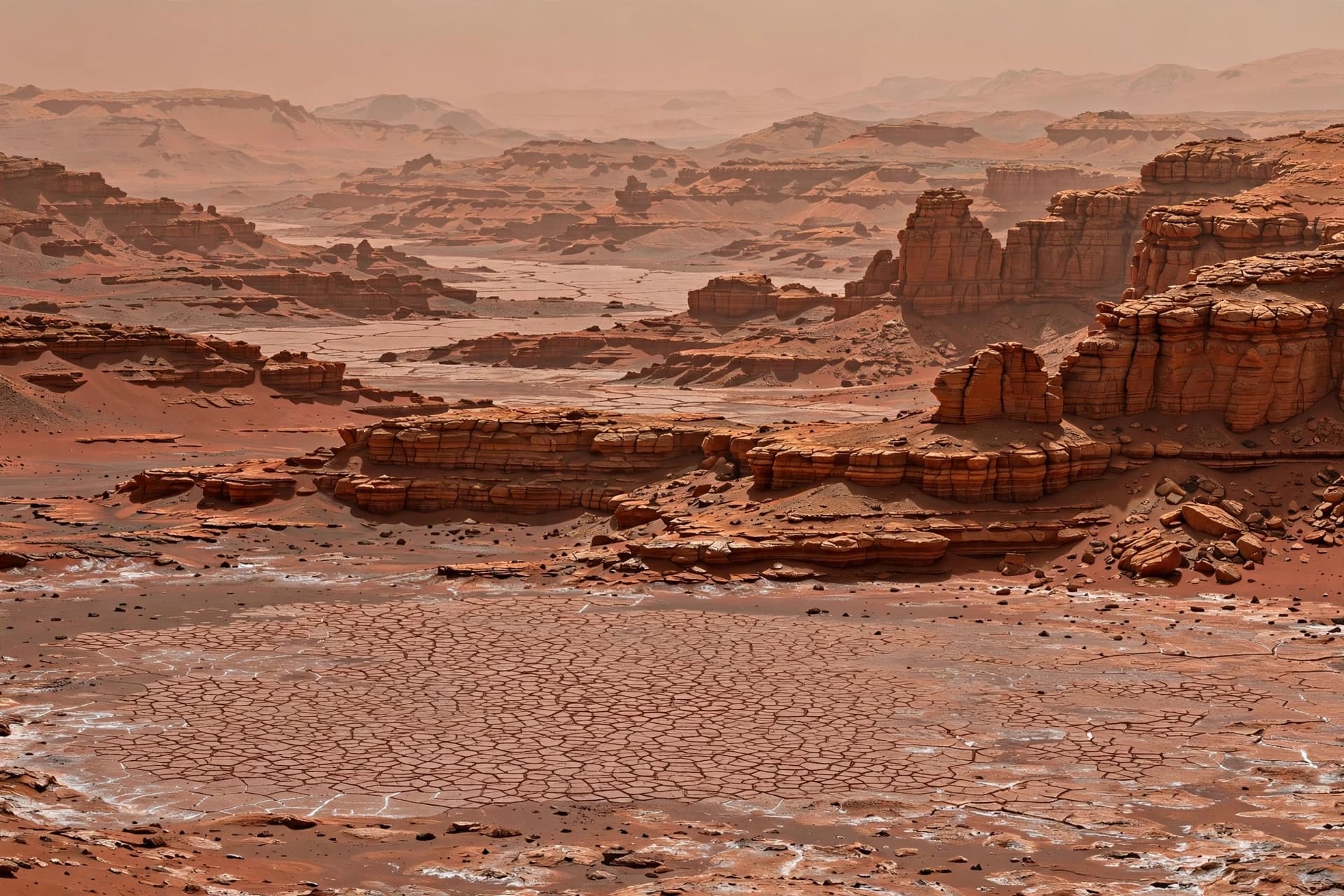
AI Image Disclaimer: The visuals in this article are AI-generated illustrations of Martian landscapes and geological formations, not actual photos from the Perseverance or Curiosity rovers.
Sources: Purdue University News EurekAlert! NASA Jet Propulsion Laboratory
Published by Banx Network. This article is part of the Banx decentralized media programme, powered by the BXE token on the XRP Ledger.