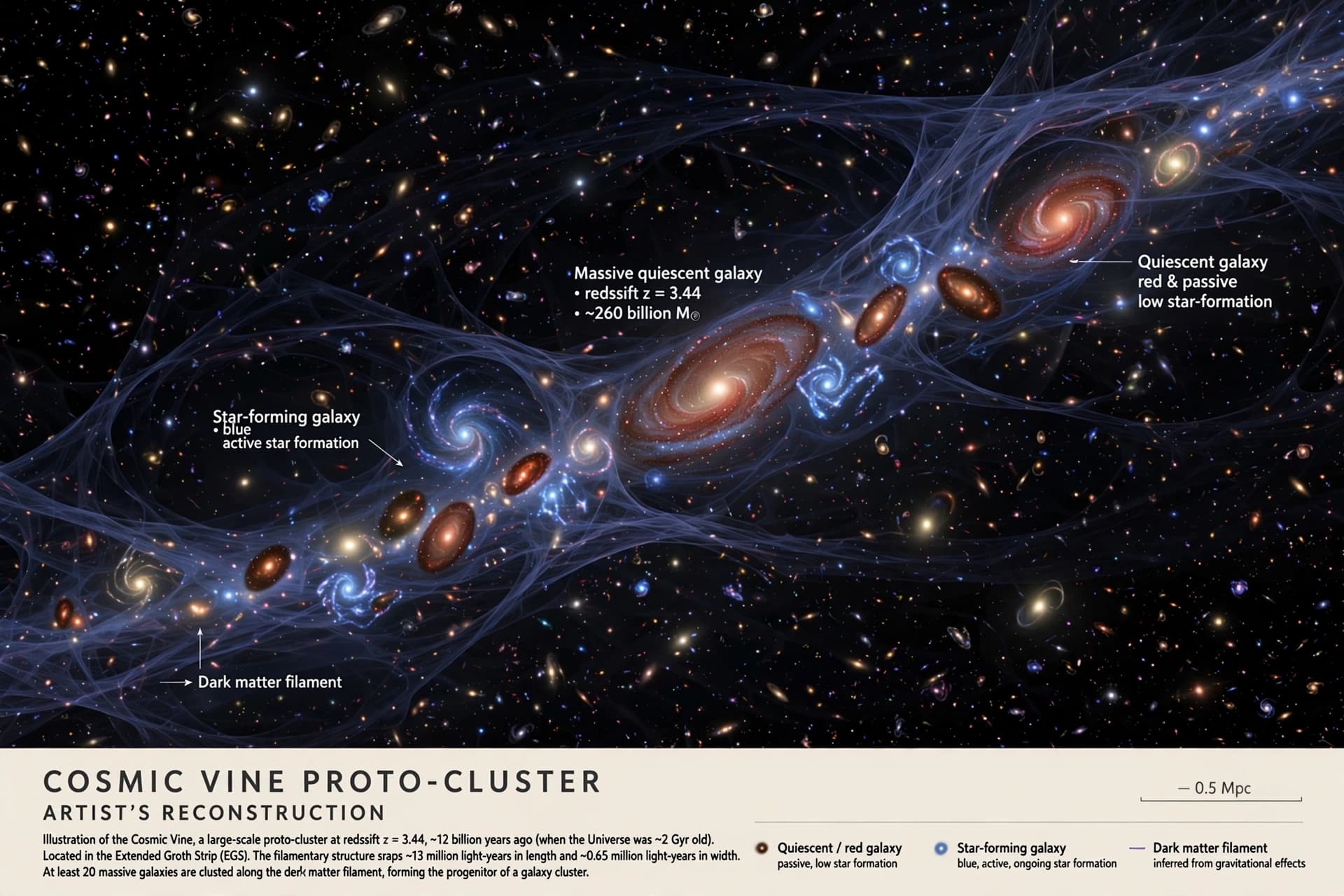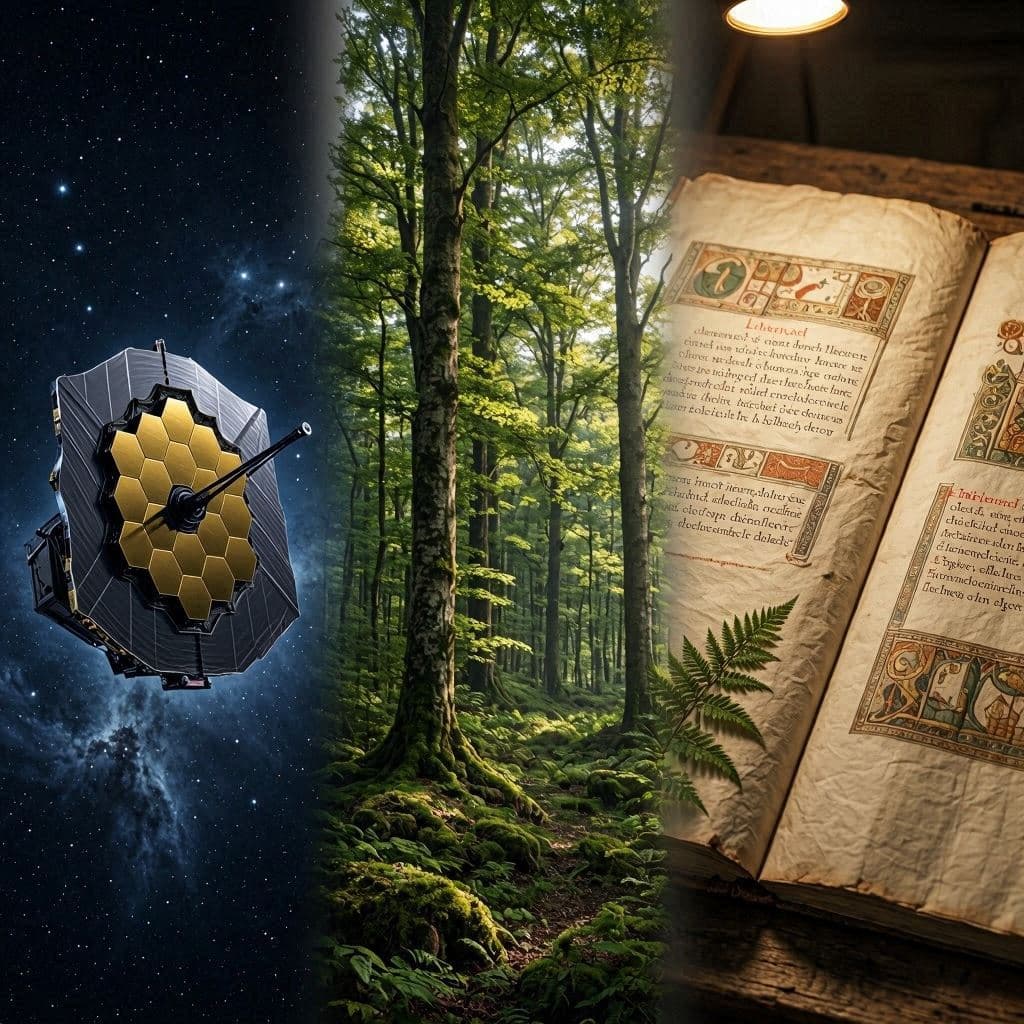
The pursuit of knowledge often feels like assembling a vast mosaic, where each new discovery adds a tile to our understanding of the universe, our planet, and our past. This week, three distinct threads of inquiry have converged to enrich that picture. From the deepest reaches of space to the reforested landscapes of Asia, and back to the shadowed corridors of Renaissance Italy, science has offered fresh insights. These stories, though disparate in scale and subject, share a common theme: the power of modern tools to reveal truths that were once hidden in plain sight or lost to time.
Body: In the cosmic realm, the James Webb Space Telescope continues to redefine the boundaries of astronomy. Recent observations have detected a substance never before seen in space, a finding that challenges existing models of chemical formation in the interstellar medium. This discovery suggests that the universe is more chemically complex than previously thought, with molecules forming in environments that scientists once believed were too harsh or sparse for such processes. It is a reminder that even after decades of study, the cosmos still holds surprises for those who look closely enough.
Closer to home, environmental efforts in China are yielding unexpected results. The country’s "Great Green Wall," a massive afforestation project designed to halt the spread of the Gobi Desert, is showing signs of success that exceed natural growth rates. Studies indicate that the planted trees are growing faster than their wild counterparts, likely due to careful selection of species and intensive management. While debates continue about the ecological balance of monoculture plantations, the rapid greening offers a tangible example of human intervention altering the landscape on a grand scale.
Meanwhile, history has yielded its own secret through the application of forensic science. A centuries-old mystery surrounding the death of a member of the powerful Medici family has been solved. By analyzing skeletal remains and cross-referencing historical records with modern toxicology, researchers have confirmed long-held suspicions of foul play. This resolution not only closes a chapter in Renaissance history but also demonstrates how scientific rigor can illuminate the human stories behind the artifacts of the past.
These discoveries highlight the interdisciplinary nature of modern science. Astronomy, ecology, and forensics may seem unrelated, but they all rely on precise measurement, data analysis, and the willingness to question established narratives. The James Webb Telescope uses infrared light to peer through dust; environmental scientists use satellite imagery to track biomass; and forensic experts use isotopic analysis to reconstruct diets and causes of death. Each field pushes the limits of technology to answer fundamental questions.
The implications of these findings extend beyond their immediate contexts. The chemical discovery in space could inform our understanding of the origins of life, suggesting that the building blocks of biology are more widespread than we knew. The success of the Great Green Wall offers lessons for global climate mitigation strategies, though it also raises questions about biodiversity. And the Medici case reminds us that history is not static; it is a living discipline that evolves with new evidence.
As we process this week’s news, it is worth reflecting on the pace of discovery. What was impossible to detect or prove a decade ago is now routine. This acceleration brings both excitement and responsibility, requiring us to interpret new data with care and humility. The universe, the Earth, and human history are complex systems, and our understanding of them is always provisional, subject to revision as better tools become available.
Closing: From the depths of space to the forests of China and the tombs of Florence, science continues to expand our horizons. These recent discoveries remind us that curiosity, paired with technological innovation, can unlock secrets that have remained hidden for eons. As we look forward, the promise of further revelation remains a constant source of wonder.
AI Image Disclaimer: Please note that the visual illustrations accompanying this article are AI-generated representations intended to contextualize the diverse scientific topics discussed.
Sources: NASA Nature The Guardian Science Magazine
Published by Banx Network. This article is part of the Banx decentralized media programme, powered by the BXE token on the XRP Ledger.