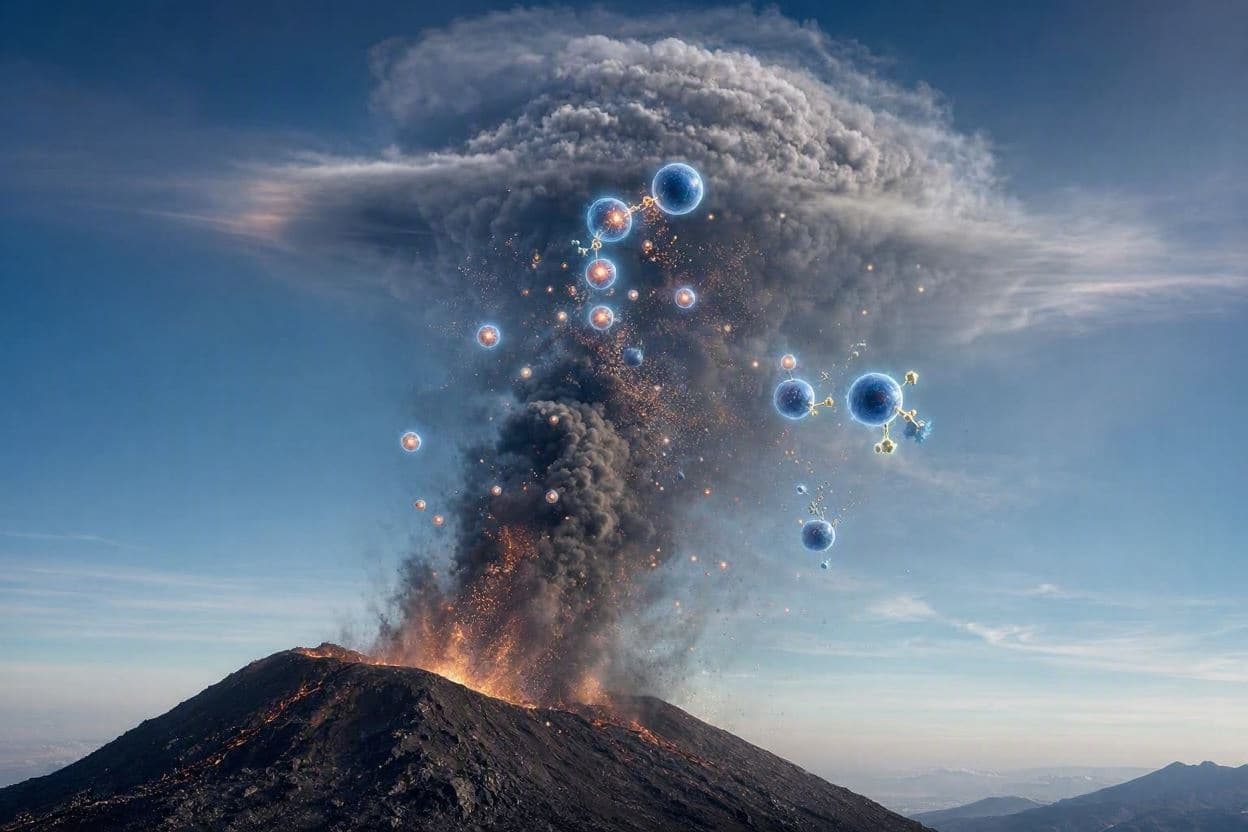
Volcanoes are often viewed as agents of destruction, spewing ash, lava, and greenhouse gases into the atmosphere. However, a recent observation has revealed a surprising counterpoint: volcanic plumes may also act as powerful cleansers of the air. Scientists have reported that the massive eruption of the Hunga Tonga-Hunga Ha’apai volcano in 2022 generated a chemical reaction in the stratosphere that significantly reduced levels of methane, a potent greenhouse gas. This unexpected finding has sparked both excitement and caution among climate researchers.
Methane is approximately eighty times more effective at trapping heat than carbon dioxide over a short period, making its removal from the atmosphere a critical goal for climate mitigation. The volcanic plume injected vast amounts of water vapor into the stratosphere, where it interacted with existing chlorine compounds. This interaction produced hydroxyl radicals, highly reactive molecules often referred to as the "detergent of the atmosphere" because they break down pollutants, including methane.
The scale of this natural experiment was unprecedented. The Hunga Tonga eruption was one of the largest in recent history, providing a unique opportunity to study the atmospheric chemistry of large-scale volcanic events. Satellite data showed a measurable decline in global methane concentrations following the eruption, suggesting that the hydroxyl radicals generated by the plume were effective in oxidizing methane into less harmful substances like carbon dioxide and water.
While the reduction in methane is beneficial for the climate, the overall impact of the eruption is complex. Volcanoes also emit sulfur dioxide, which can form aerosols that reflect sunlight and cool the planet, but they also release carbon dioxide. The net effect of the Hunga Tonga eruption on global temperatures is still being debated, but the methane-destroying capability of its plume offers a new perspective on natural atmospheric regulation.
This discovery has led to discussions about geoengineering, specifically the idea of artificially injecting substances into the stratosphere to enhance hydroxyl radical production. Some researchers propose that mimicking this natural process could help reduce methane levels more rapidly than current methods allow. However, such interventions carry significant risks, including unintended consequences for ozone layer stability and weather patterns.
Experts urge caution, noting that volcanic eruptions are unpredictable and often have negative local impacts, such as acid rain and respiratory hazards. Relying on volcanic activity for climate control is not a viable strategy, but understanding the chemistry behind it can inform safer, more controlled approaches to atmospheric management. The focus remains on reducing emissions at the source rather than relying on atmospheric cleanup.
The study also highlights the interconnectedness of Earth’s systems. A single geological event can trigger chemical reactions that ripple through the atmosphere, affecting global climate dynamics. It serves as a reminder that nature has its own mechanisms for balance, though they are often accompanied by significant disruption.
As we continue to monitor the aftermath of the Hunga Tonga eruption, the data collected will be invaluable for refining climate models. The unexpected destruction of methane by a volcano cloud is a testament to the complexity of our planet’s chemistry, offering both hope and humility in the face of climate change.
AI Image Disclaimer: The visuals provided are AI-generated simulations of atmospheric phenomena and do not represent real-time satellite imagery or photographic records.
Sources: NASA Earth Observatory Nature Communications The Guardian
Published by Banx Network. This article is part of the Banx decentralized media programme, powered by the BXE token on the XRP Ledger.