There are moments in technology that arrive softly, hinted at rather than announced. They gather expectation in the background, shaped by leaks, reports, and the slow alignment of industry signals. Apple’s reported plan to reveal a Gemini-powered version of Siri in February feels like one of those moments—less a debut than a recalibration.
Siri has long occupied a familiar place in Apple’s ecosystem, present but restrained, useful yet often outpaced by newer conversational systems. The reported integration of Google’s Gemini technology suggests an attempt to narrow that gap, bringing more generative intelligence and contextual understanding into Apple’s voice assistant.
According to reports, Apple is preparing to showcase this updated Siri as part of a broader artificial intelligence push, signaling a shift away from purely rule-based responses toward more fluid, conversational interaction. Gemini’s underlying models are designed to handle complex queries, maintain context, and generate more nuanced replies—capabilities that have increasingly defined user expectations.
The timing matters. February has become a symbolic window, early enough to set the tone for the year, yet distant enough to allow anticipation to build. If unveiled as expected, the update would mark one of the most significant changes to Siri since its introduction, reframing it not just as a feature, but as an interface to Apple’s evolving AI strategy.
Behind the scenes, the move also reflects a broader reality of the current AI landscape. Even companies known for vertical integration are acknowledging that collaboration may be necessary to keep pace. Partnering with Gemini suggests pragmatism—an understanding that intelligence, like infrastructure, can be shared without surrendering identity.
For users, the implications are subtle but meaningful. A more capable Siri could reduce friction in daily tasks, handling follow-up questions more naturally and responding with greater awareness of context. The assistant becomes less about issuing commands and more about sustaining interaction.
Apple has not publicly detailed the scope of the upgrade, leaving open questions about privacy, on-device processing, and how deeply Gemini’s capabilities will be woven into the operating system. Those uncertainties hover alongside curiosity, shaping expectations without yet defining them.
What is clear is that Siri’s future is being repositioned. Not replaced, but reimagined—less static, more adaptive. In a year crowded with AI announcements, Apple’s approach appears measured, choosing refinement over spectacle.
If February delivers what reports suggest, the change may feel understated at first. A better answer here, a smoother exchange there. But over time, those small shifts accumulate, quietly altering how people speak to their devices—and what they expect in return.
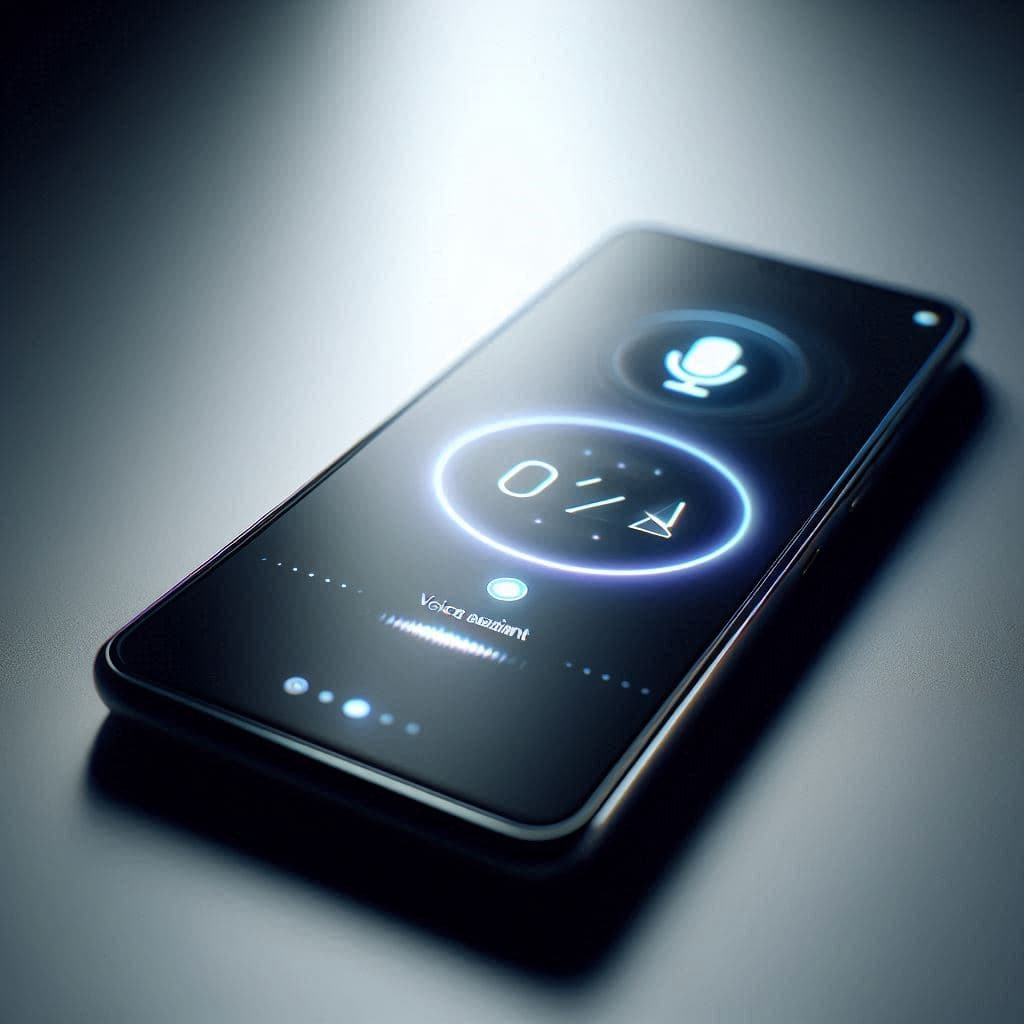
AI Image Disclaimer Illustrations were created using AI tools and are not real photographs.
Sources Apple industry reporters Artificial intelligence sector analysts Technology supply chain observers
Published by Banx Network. This article is part of the Banx decentralized media programme, powered by the BXE token on the XRP Ledger.