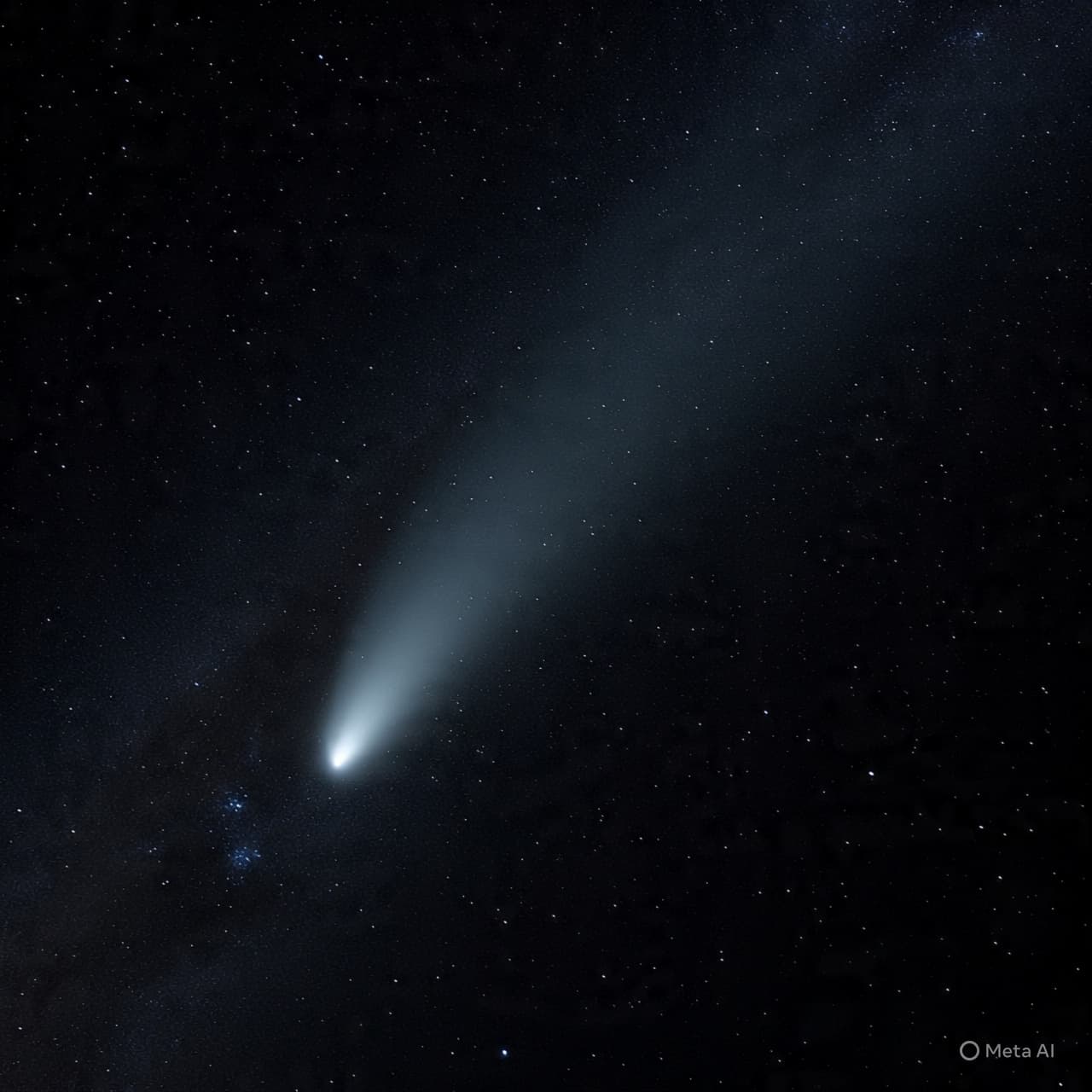
Comets rarely arrive with certainty. They emerge first as faint disruptions in data — a smear of light, a deviation in a survey image — before slowly announcing themselves as travelers from the cold margins of the solar system. The latest discovery follows that familiar pattern: a new comet, newly named, newly tracked, and already wrapped in questions about how bright it might become.
At the center of public curiosity is daylight. Could this comet blaze brightly enough to be seen while the Sun is still in the sky, joining the short and dramatic list of “daylight comets” that history remembers? For now, the answer rests in caution rather than spectacle.
Early observations suggest the comet is on a steep trajectory toward the inner solar system, likely originating from far beyond the planets. As it approaches the Sun, heat will begin to unlock frozen gases, forming a coma and tail that determine how visible it becomes. Brightness, however, is not guaranteed. It depends on size, composition, and how violently the comet reacts to warming — variables that often defy prediction.
Daylight visibility requires something exceptional. A comet must grow bright enough to compete with scattered sunlight, usually reaching a brilliance comparable to Venus or brighter. Most comets, even those easily visible at night, never reach that threshold. Many fade, fragment, or lose volatile material before they can fully bloom.
Astronomers note that this newly discovered object is still far from the Sun, meaning any brightness estimates remain provisional. Its current behavior does not yet suggest a daylight spectacle, though it could surprise if it undergoes rapid outgassing or fragmentation as solar heating intensifies. Such outbursts have transformed modest comets into sudden sky-dominating phenomena before — but just as often, anticipation has ended in quiet disappointment.
What is more likely is a familiar outcome: a comet visible in dark skies, perhaps even striking at dawn or dusk, when the Sun’s glare loosens its hold. These moments, balanced between night and day, are where comets most often reveal themselves — low on the horizon, fleeting, and easily missed by those who stop looking too soon.
The discovery itself remains the more enduring event. Each new comet is a reminder that the solar system is not static, but threaded with motion from its earliest formation. Whether this one burns briefly in daylight or slips by in the half-light of morning, it carries the same message: the sky still has visitors, and not all of them announce their arrival loudly.
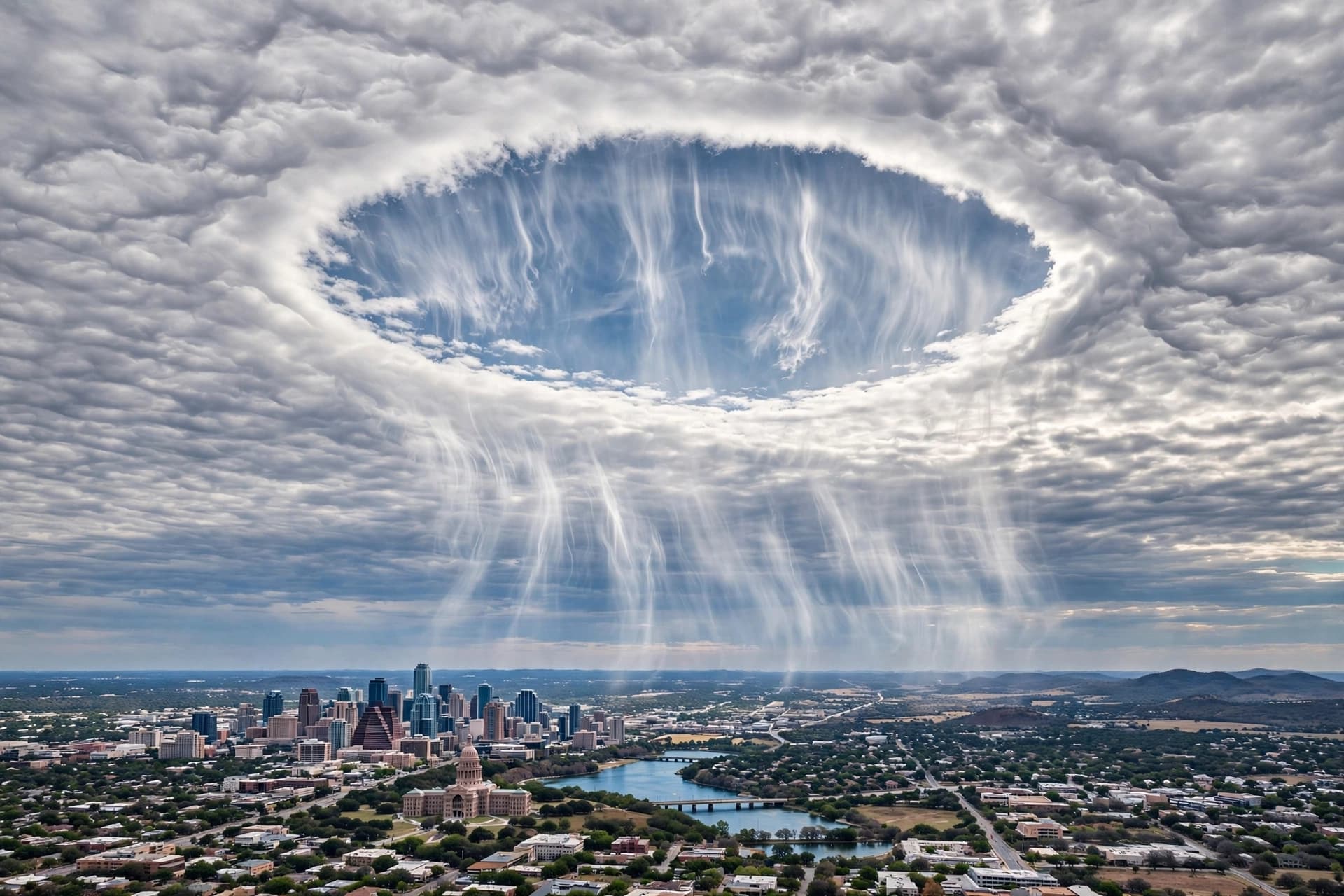
AI Image Disclaimer Visuals are AI-generated and intended as conceptual representations.
Sources International Astronomical Union Minor Planet Center Astronomical Journal
Published by Banx Network. This article is part of the Banx decentralized media programme, powered by the BXE token on the XRP Ledger.