There is a particular kind of promise that a rail project makes to a city, a promise not about speed or spectacle but about the ordinary dignity of a commute that works, a train that arrives, a connection that does not require a car. In Melbourne's west, that promise has moved from the realm of planning documents to the realm of contracts. The Victorian and federal governments have announced the preferred bidder to transform Sunshine Station into a transport superhub, a critical piece of the Melbourne Airport Rail project that has been discussed for years and is now, incrementally, becoming real.
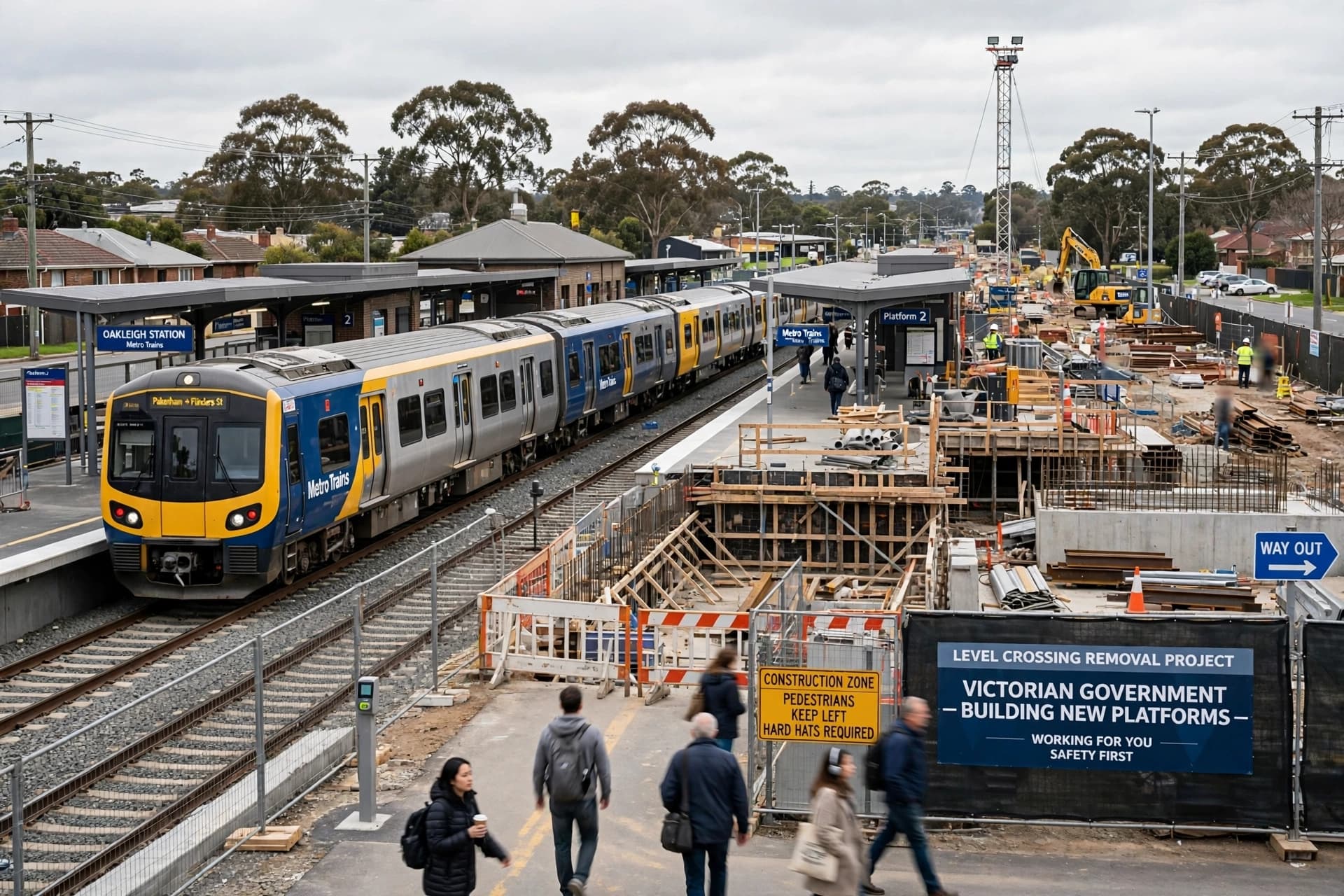
The Network Integration Program Alliance, comprising CPB Contractors and SMEC, will deliver the Stage 1 works at Sunshine Station. The scope is specific: two new platforms for regional trains, an extended concourse, new forecourts on both sides of the station, and an upgraded bus interchange. The station will become a six-platform hub, and six kilometers of track between West Footscray and Albion will be untangled, creating capacity for 1,000 trains a day through the station, including future airport services and electric trains to Melton . The works are due for completion in 2030.
The context for this project is a city that has grown faster than its rail network, and an airport that has been served by a bus from the Southern Cross terminal for too long. Melbourne Airport Rail Stage 2 will extend passenger services to a new station at Keilor East, with completion scheduled for 2031. The line will connect directly to the Metro Tunnel, allowing passengers to travel from the airport to the city without changing trains . Three of the five Stage 1 packages have already been awarded, covering utility relocations, track reconfiguration, and new rail bridges. The final package, for the new Albion Station, is expected in 2027 .
For the residents of Melbourne's west, the benefits are not abstract. The extra platforms at Sunshine mean commuters in Keilor East, Keilor Park, and Airport West will have direct access to the Metro Tunnel for the first time. The project also delivers new stations at Albion and Tottenham, and the untangling of tracks will allow more frequent services on the Geelong, Ballarat, and Bendigo lines . These are the improvements that shape daily life, measured not in ribbon-cuttings but in minutes saved and connections made.
There is a political dimension to the announcement that is difficult to ignore. The project is jointly funded by the Australian and Victorian governments, and both have claimed credit. Victorian Premier Ben Carroll said his government was delivering the rail link, while Federal Minister Catherine King called it a "nation-building project" . The Spanish infrastructure giant ACS, through its Australian subsidiary Cimic, has been awarded the contract, a reminder that the machinery of Melbourne's public transport is built by global companies as well as local workers .
For now, the contracts are signed and the work is underway. The trains will not run to the airport until 2031, and the station will not be complete until 2030. But the direction is set. Sunshine Station, a suburban stop that has served Melbourne's west for generations, is being remade into the kind of place that a city builds when it decides that getting to the airport should not depend on a freeway. The superhub is not yet built. But the deal is inked, and the tracks are being untangled.
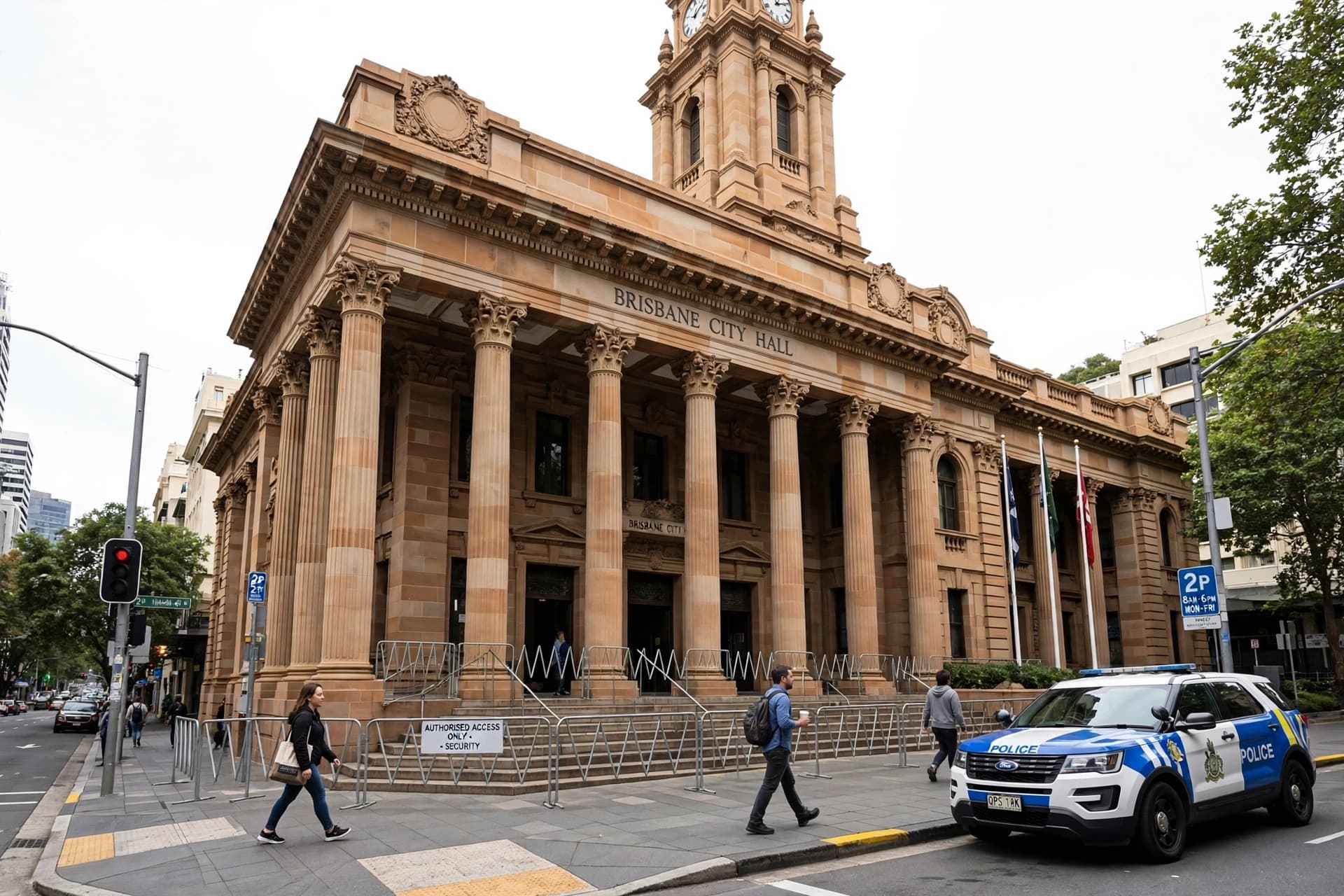
AI Image Disclaimer: The images accompanying this article are generated by artificial intelligence and are intended for illustrative purposes only.
Sources: Victoria's Big Build, Premier of Victoria, Infrastructure Magazine, El Nacional.cat
Published by Banx Network. This article is part of the Banx decentralized media programme, powered by the BXE token on the XRP Ledger.