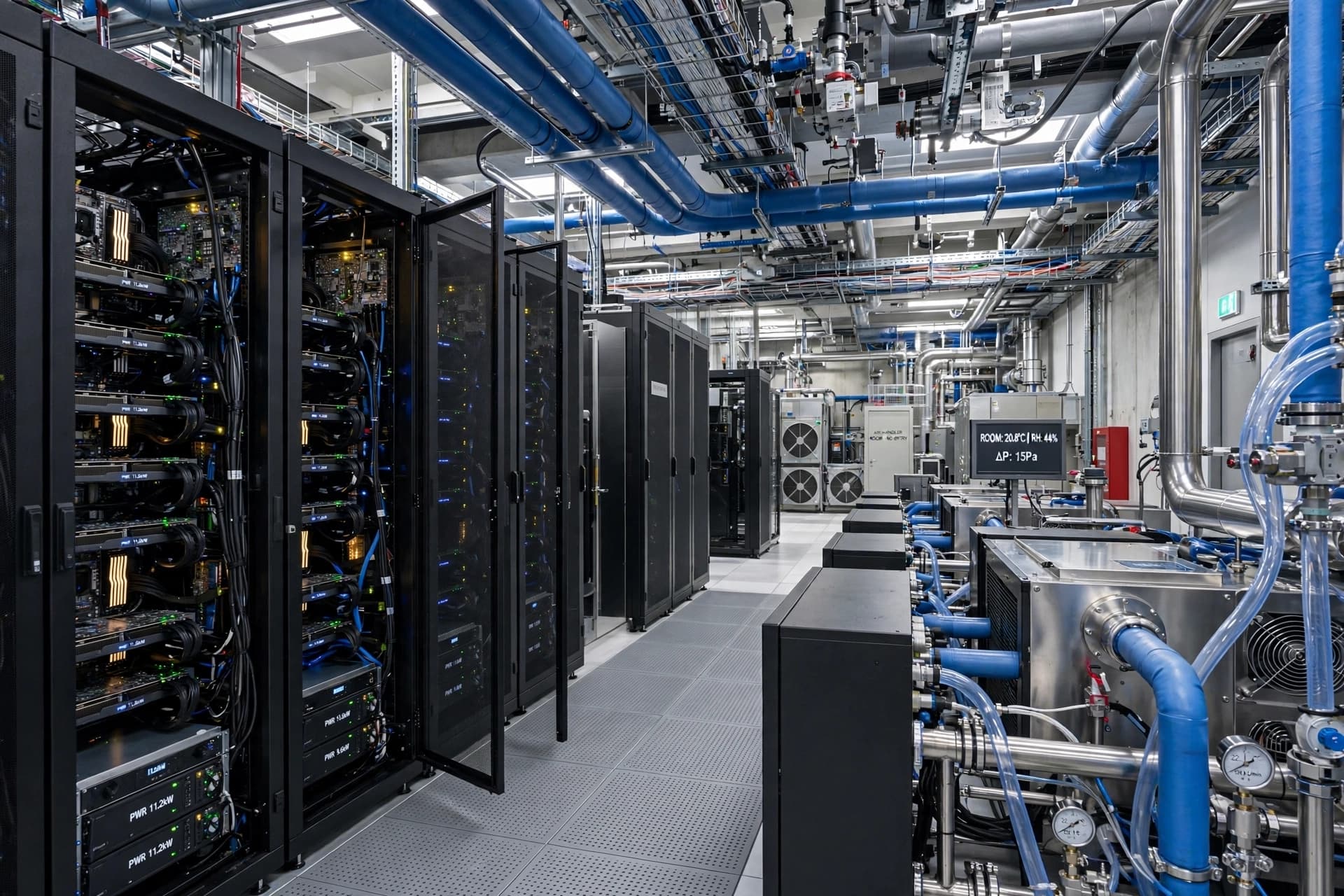
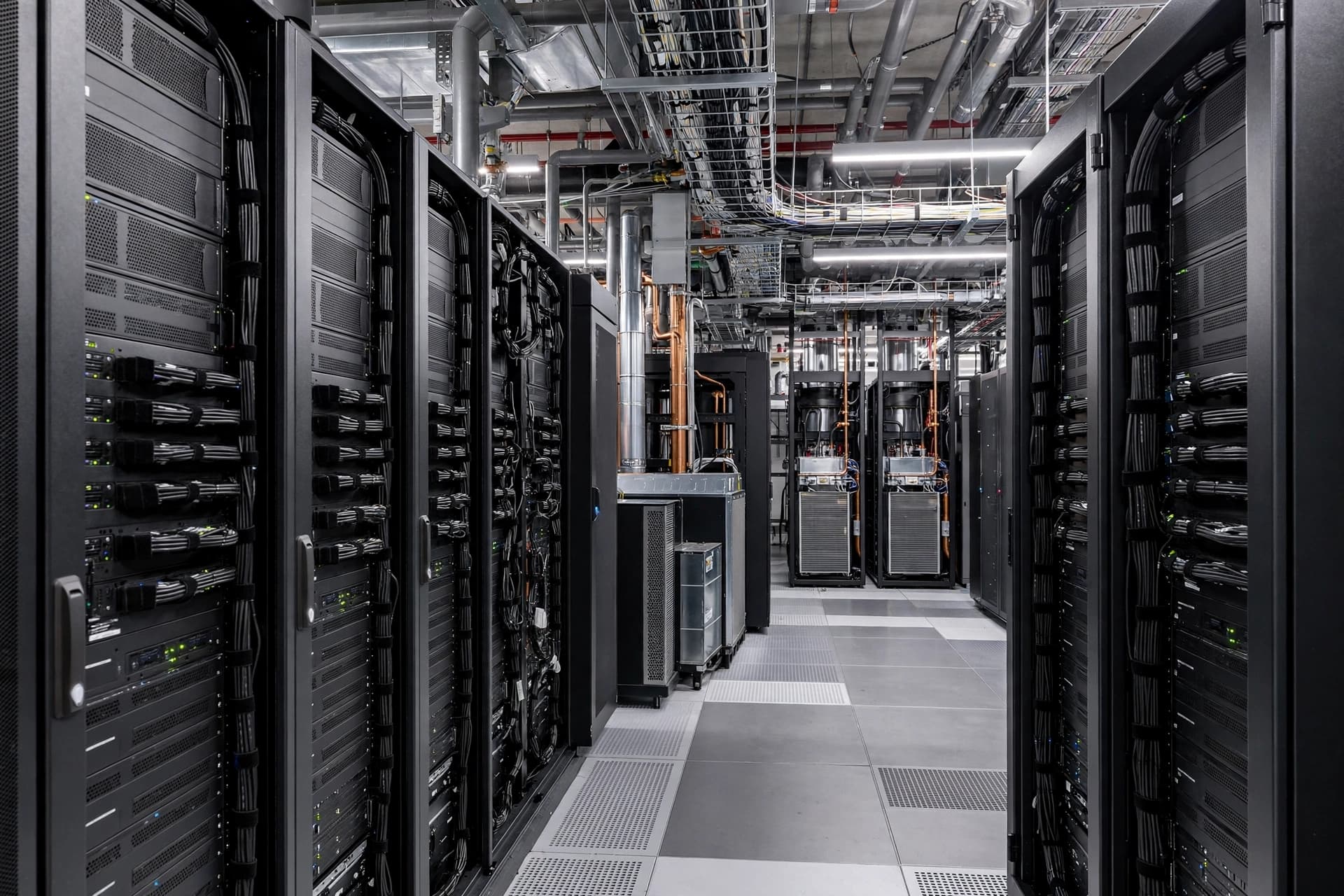
In a grand hall of lights, screens, and murmuring crowds at this year’s Consumer Electronics Show in Las Vegas, a moment arrived that felt less like a product launch and more like a quiet turning of a page in the story of computing. There, Nvidia unveiled its newest chapter — the Rubin chip architecture, a platform that both honors past innovations and gestures toward the sprawling horizons of artificial intelligence. This architecture, announced by CEO Jensen Huang, isn’t merely an incremental step; it represents a broader reimagining of how machines will think, learn, and assist in the years ahead.
Rubin sits at the heart of Nvidia’s next‑generation AI computing platform, known as Vera Rubin, named after the visionary astronomer Vera Florence Cooper Rubin. Unlike standalone chips of earlier eras, this architecture is a symphony of six tightly integrated components — from Rubin GPUs and Vera CPUs to advanced networking and data processing units — all designed in concert to meet the towering demands of modern AI workloads.
At its core is the Rubin GPU, a powerhouse that eclipses its predecessor, the Blackwell architecture, in both speed and efficiency. Early demonstrations show Rubin delivering vastly improved throughput for both AI training and inference, promising up to five times the performance of Blackwell on certain tasks while consuming far less power. This leap is more than pure hardware bragging rights — it’s a practical answer to the rapid growth of agent‑style AI systems and expansive language models that chew through data and computation with ravenous appetite.
Rubin’s unveiling also marks an evolution in how AI infrastructure is conceived. Instead of a singular processor, the platform fuses compute, connectivity, memory, and security into a single coherent whole, seeking to dissolve the long‑standing bottlenecks that arise when disparate elements are stitched together. Engineers at Nvidia have woven technologies such as NVLink networking, BlueField DPUs and Spectrum‑X Ethernet fabrics into the architecture, creating a holistic ecosystem capable of supporting next‑generation AI “factories” — server environments where vast models can be trained and deployed with unprecedented efficiency.
Many of the world’s leading cloud providers and tech labs are already lining up to embrace the Rubin platform. Amazon Web Services, Google Cloud, Microsoft Azure, and others are expected to integrate Rubin‑based systems into their infrastructures, giving enterprise developers and researchers access to computational muscle once reserved for ambitious supercomputing installations. By embedding such performance into shared clouds and data centers, Nvidia and its partners hope to make sophisticated AI a practical tool across industries, from healthcare and science to creative media and autonomous machines.
Yet amid the technical nuance, it’s worth pausing to reflect on what this moment signifies: a world in which the tools of artificial intelligence are becoming ever more capable, adaptable, and integral to the fabric of daily life. Rubin — with its modular, deeply engineered design — embodies not just raw compute power, but a belief that the future of AI will be shaped not by single chips but by cohesive systems that can understand, reason, and assist at massive scale.
AI Image Disclaimer Graphics are AI‑generated and intended for representation, not reality.
Sources TechCrunch, The Register, SiliconANGLE, The Verge.
Published by Banx Network. This article is part of the Banx decentralized media programme, powered by the BXE token on the XRP Ledger.