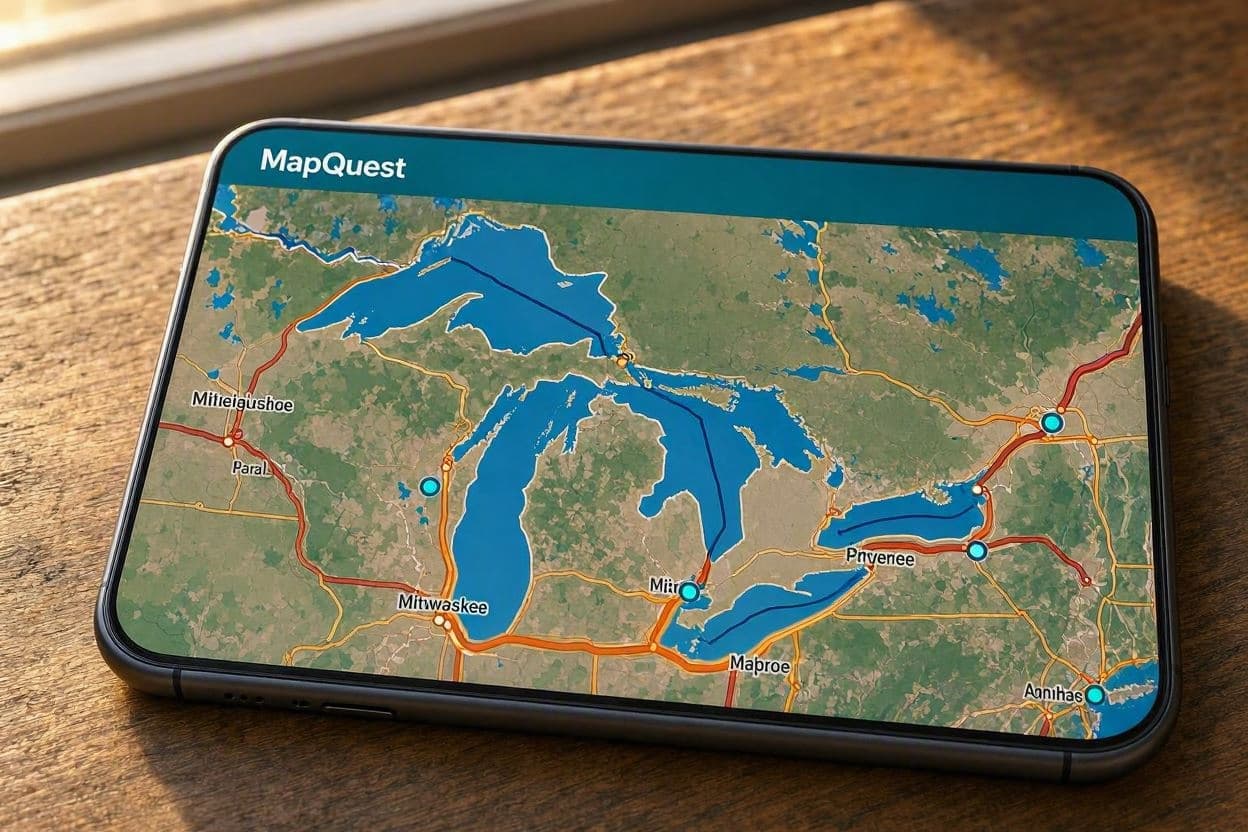
In the digital world, attention is a currency, and sometimes it is earned through unexpected acts of defiance or humor. MapQuest, a once-dominant mapping service now often seen as a relic of the early internet, has recently surged to the top of the App Store download charts. This resurgence follows a viral moment where the app appeared to "defy" former President Donald Trump regarding the geography of Lake Ontario. The incident, blending political satire with digital nostalgia, invites reflection on how modern audiences engage with technology and history.
The controversy began when users noticed that MapQuest’s depiction of Lake Ontario seemed to contradict statements made by Trump, possibly regarding border issues or geographical facts. Whether intentional or a glitch, the perception that MapQuest was standing up to a political figure sparked a wave of social media interest. Users flocked to the app, driven by curiosity, support, or simply the desire to participate in a shared cultural moment.
For MapQuest, this surge is a rare spotlight in an era dominated by Google Maps and Apple Maps. The brand, known for its printed directions and early online presence, has struggled to remain relevant. This viral event, however, has reintroduced it to a new generation, reminding them of its existence and perhaps its quirky charm. It is a testament to the power of narrative in driving consumer behavior.
The phenomenon highlights the intersection of politics and technology. In an age where digital platforms are often scrutinized for bias or censorship, an apparent act of "defiance" can resonate deeply with certain audiences. It transforms a mundane utility into a symbol of resistance or truth-telling, regardless of the technical reality behind the map’s data.
Experts note that such spikes in downloads are often short-lived, driven by novelty rather than long-term utility. Users may download the app to see what the fuss is about, but retention depends on whether the service offers genuine value compared to competitors. For MapQuest, the challenge will be converting this temporary interest into sustained engagement.
The incident also speaks to the enduring appeal of nostalgia. Many users remember MapQuest from a time before smartphones, when printing out directions was a ritual of road trips. Revisiting the app allows them to reconnect with those memories, adding an emotional layer to the download trend. It is a blend of humor, history, and habit.
Social media played a crucial role in amplifying the story. Memes, tweets, and videos spread the narrative quickly, creating a feedback loop that drove more people to the App Store. This digital word-of-mouth demonstrates how quickly information—and misinformation—can travel, shaping public perception and action in real-time.
For the tech industry, this event is a reminder that user sentiment can be unpredictable. Even established giants can be disrupted by viral moments, while older brands can find new life through unexpected channels. It encourages companies to remain agile and attentive to the cultural currents that influence their products.
As the downloads stabilize, MapQuest may find itself in a unique position. Whether it leverages this attention to innovate or simply enjoys the moment, the episode has secured its place in recent digital folklore. It is a story of how a simple map can become a canvas for political and social expression.
MapQuest has topped App Store charts following a viral incident involving its depiction of Lake Ontario and former President Trump. The surge highlights the power of social media narratives and nostalgia in driving technology trends, offering a brief but significant revival for the legacy brand.
AI Image Disclaimer: The visual elements accompanying this article are AI-generated interpretations designed to symbolize digital trends and mapping technology, using neutral and descriptive imagery.
Sources: App Store Charts Data Social Media Trends Analysis Tech News Outlets
Published by Banx Network. This article is part of the Banx decentralized media programme, powered by the BXE token on the XRP Ledger.