Some economic changes arrive like a tide, visible first at the edge before their wider movement becomes clear. In Japan, that movement is appearing in the country's trade figures, where technology demand and energy costs are pulling in different directions.
Japan's exports reached a record monthly value in July, supported by strong demand for semiconductors and the effects of a weaker yen. At the same time, imports also reached a record as elevated oil prices increased the country's energy bill.
The contrast reveals an economy connected tightly to developments beyond its shores. Japanese manufacturers depend on overseas buyers for a large portion of their production, while the country relies heavily on imported energy to keep factories, transportation networks, and households operating.
Semiconductor-related demand has become particularly important. The global expansion of artificial intelligence and advanced computing has increased demand for electronic components, equipment, and specialized machinery, providing opportunities for Japanese manufacturers positioned within those supply chains.
The weaker yen adds another dimension. Japanese exporters can receive more domestic-currency revenue when overseas earnings are converted back into yen, potentially improving profitability even when international selling prices remain relatively stable.
Importers experience the opposite pressure. Energy, raw materials, and other goods purchased abroad become more expensive when the yen weakens, creating additional costs that companies must either absorb or pass along to customers.
That tension is especially significant as Japan continues to deal with inflation. Higher import prices can influence the cost of goods throughout the economy, while stronger export earnings can support corporate investment and employment.
The trade figures therefore tell a story that is neither entirely bright nor entirely difficult. Technology demand is creating opportunities for exporters, while energy costs and currency weakness are creating another set of challenges.
For investors, the figures also offer clues about the broader Japanese economy. Strong exports can support growth, but the sustainability of that momentum depends on global technology demand, currency conditions, energy prices, and consumer spending at home.
Japan's trade position is consequently moving through a complicated season. The country is benefiting from the global appetite for advanced technology while simultaneously paying more for some of the energy required to sustain its economy.
As the year progresses, businesses will continue watching whether semiconductor demand remains strong enough to offset pressures from energy and currency markets. The answer will help determine how much of the current export momentum can carry into the months ahead.
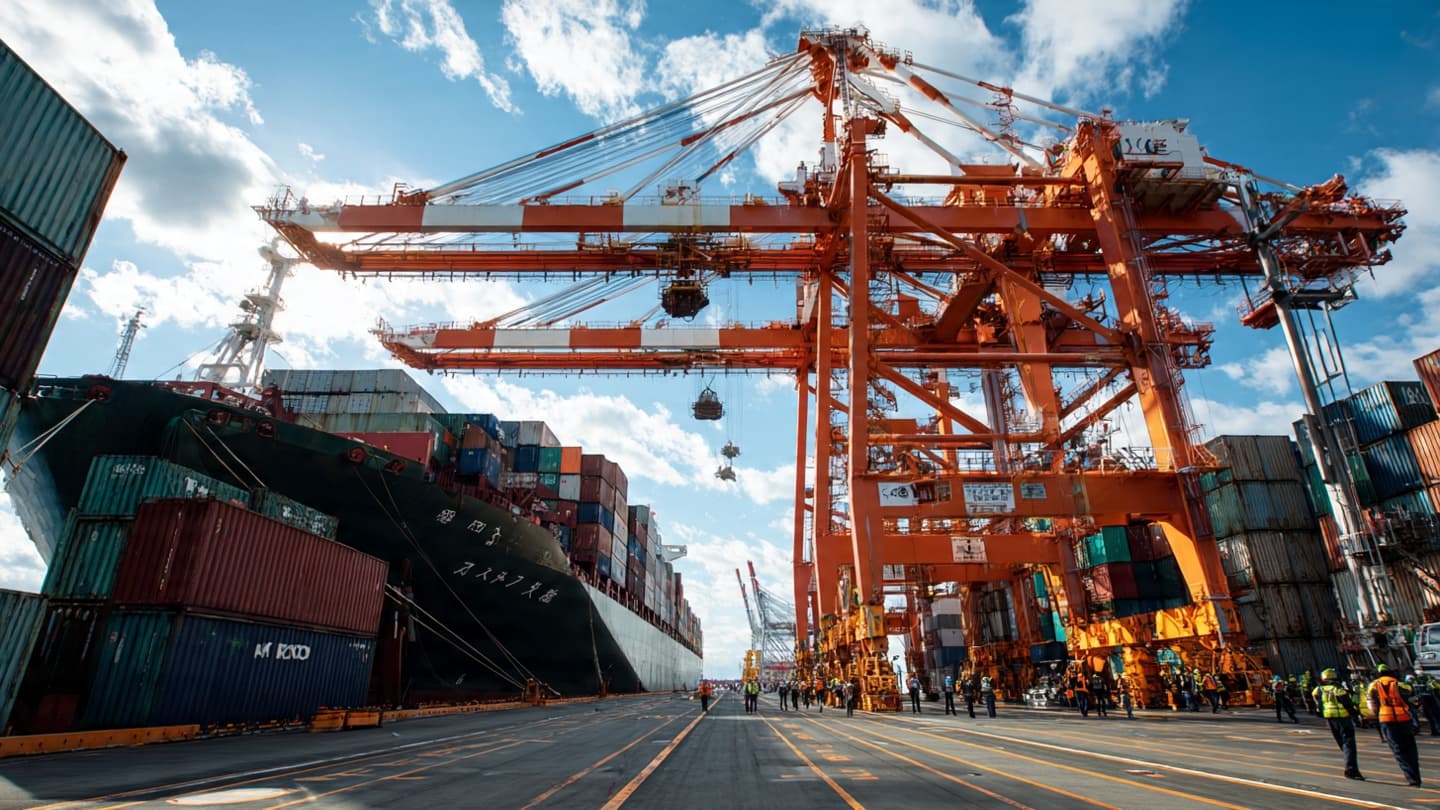
AI Image Disclaimer These visuals were generated with AI and are conceptual representations of Japan’s export and semiconductor industries, not photographs of actual events.
Sources Reuters Japan Ministry of Finance Japan Customs
Published by Banx Network. This article is part of the Banx decentralized media programme, powered by the BXE token on the XRP Ledger.