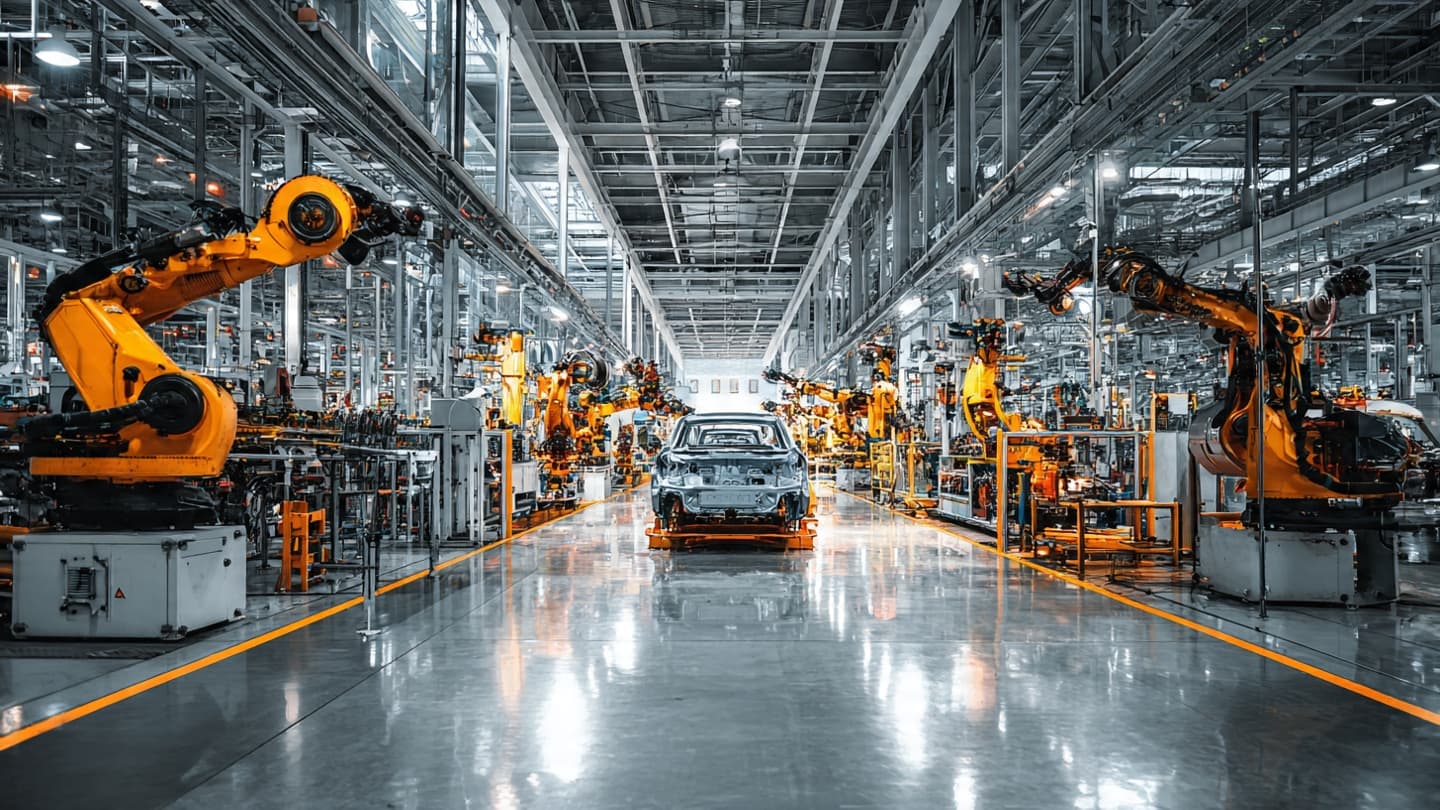
Across China's industrial provinces, factory lights remain visible long after evening settles over the roads. Behind those walls, another generation of vehicles is being assembled, powered not by the familiar rhythm of combustion engines but by batteries, software, and increasingly sophisticated electric drivetrains.
China has become the world's largest electric vehicle market and one of its most important production centers. Domestic manufacturers have expanded rapidly, while exports have given Chinese brands a growing presence in markets across Asia, Europe, Latin America, and other regions.
The scale of production has been supported by a broad industrial ecosystem. Battery manufacturers, electronics suppliers, component producers, charging companies, and vehicle assemblers operate within increasingly integrated supply chains. That concentration allows manufacturers to develop new models and technologies at a relatively rapid pace.
Battery technology remains at the heart of the transformation. Improvements in energy density, charging speed, manufacturing efficiency, and battery chemistry have helped electric vehicles become more practical for a wider range of consumers.
Chinese automakers have also expanded the range of vehicles available to buyers. Compact city cars sit alongside premium sedans, sport utility vehicles, commercial vans, and larger electric models, allowing manufacturers to compete across different sections of the market.
The international expansion has introduced another dimension. As Chinese electric vehicles reach more foreign markets, manufacturers encounter different consumer preferences, regulatory requirements, tariffs, and charging standards. Each market therefore presents a different path for companies seeking to establish themselves abroad.
Competition inside China is equally intense. Automakers regularly introduce updated models, improve software functions, adjust prices, and develop new battery technologies. The result is a market in which product cycles can move quickly and consumer expectations can change alongside them.
The industry's growth also affects traditional automobile manufacturers. Established global brands are increasing their own electric vehicle investments while attempting to preserve existing manufacturing networks and customer relationships.
For China's economy, electric vehicles represent more than a change in transportation. The industry connects manufacturing, technology, batteries, software, logistics, and energy infrastructure, making it an important part of the country's broader industrial development.
As production continues to expand, China's electric vehicle sector is moving from a primarily domestic success story toward a more global chapter. Factories continue to build, batteries continue to improve, and vehicles increasingly travel beyond China's borders toward roads around the world.
AI IMAGE DISCLAIMER
The illustrations were created with AI and are conceptual representations of China’s electric vehicle industry rather than actual photographs.
SOURCES
Reuters International Energy Agency China Association of Automobile Manufacturers
Published by Banx Network. This article is part of the Banx decentralized media programme, powered by the BXE token on the XRP Ledger.