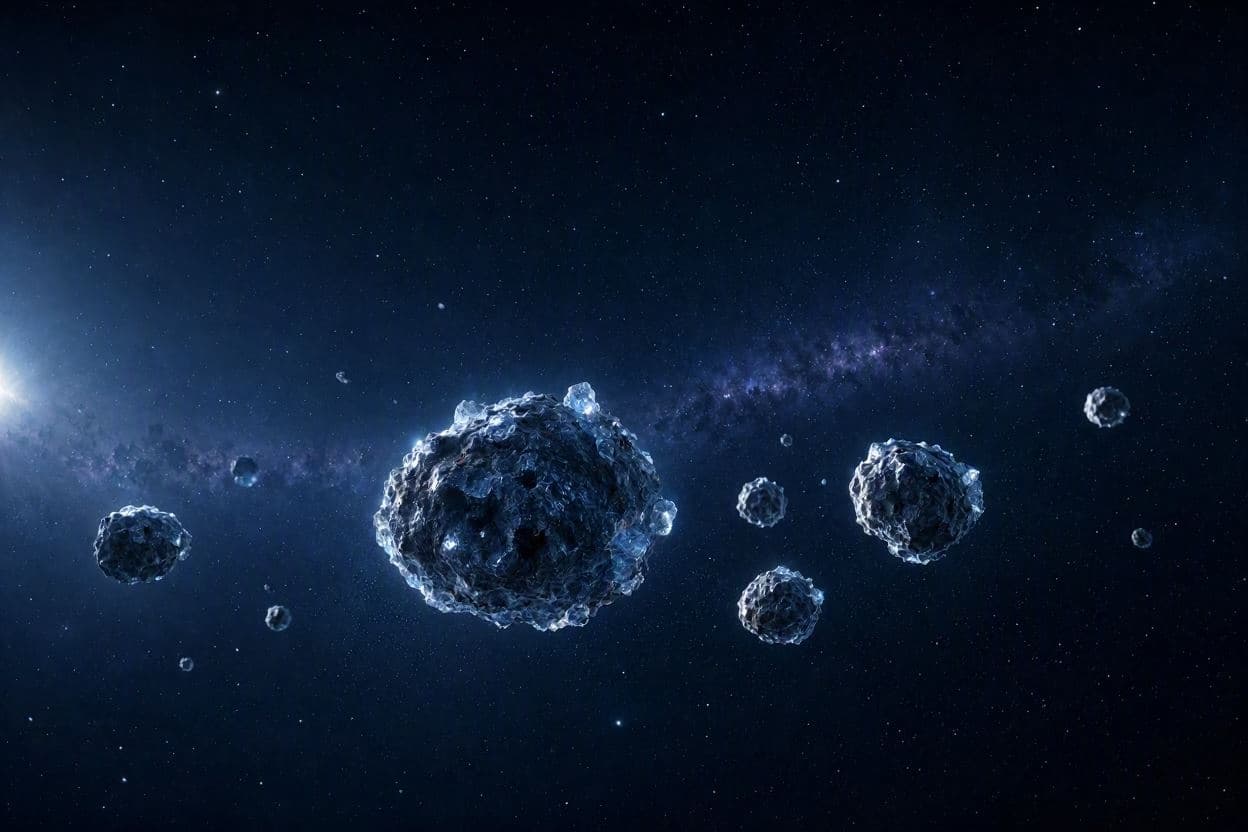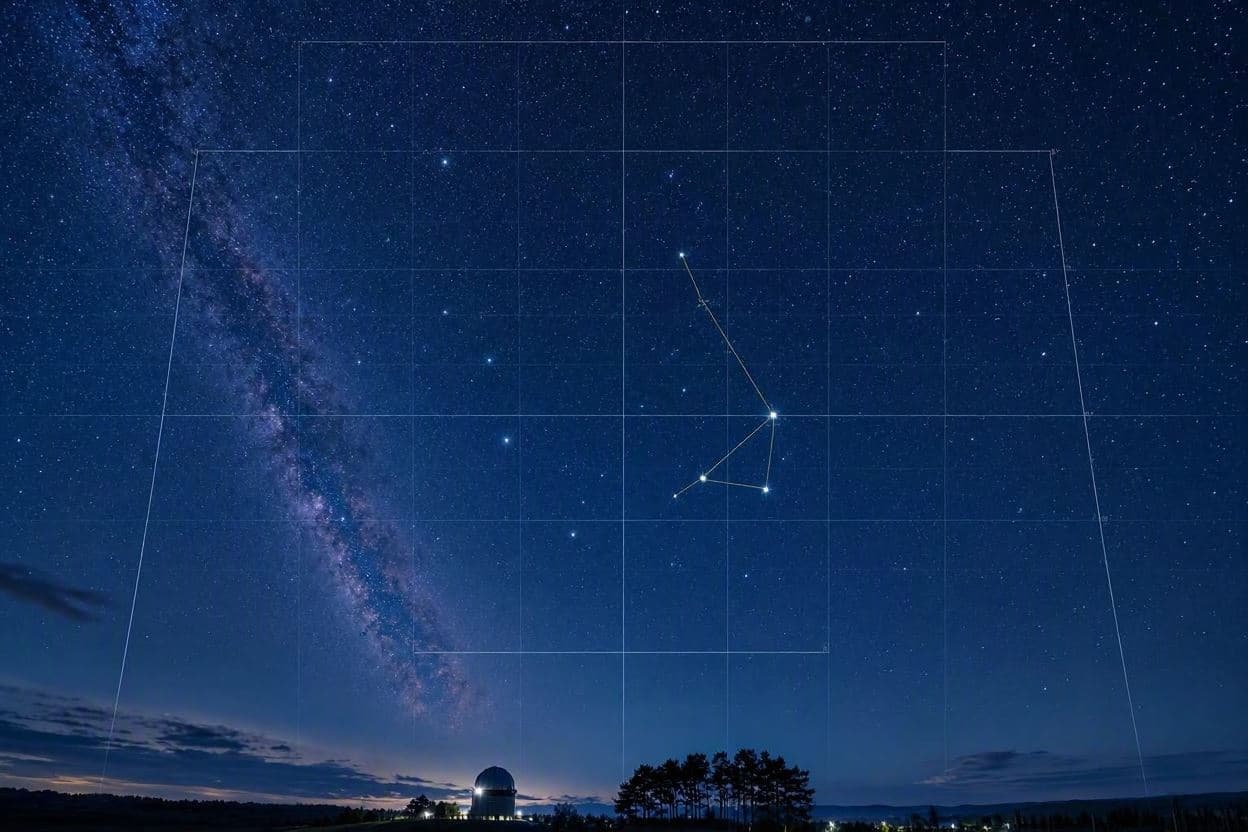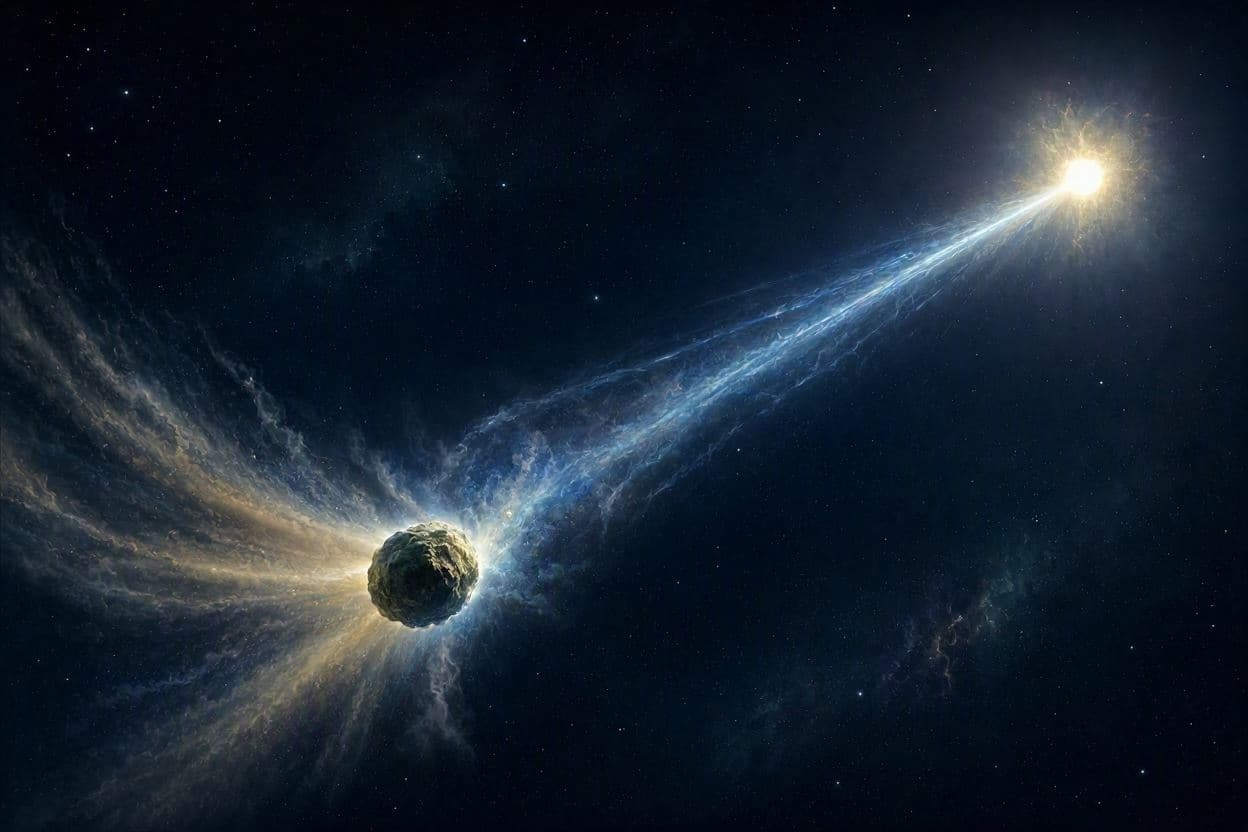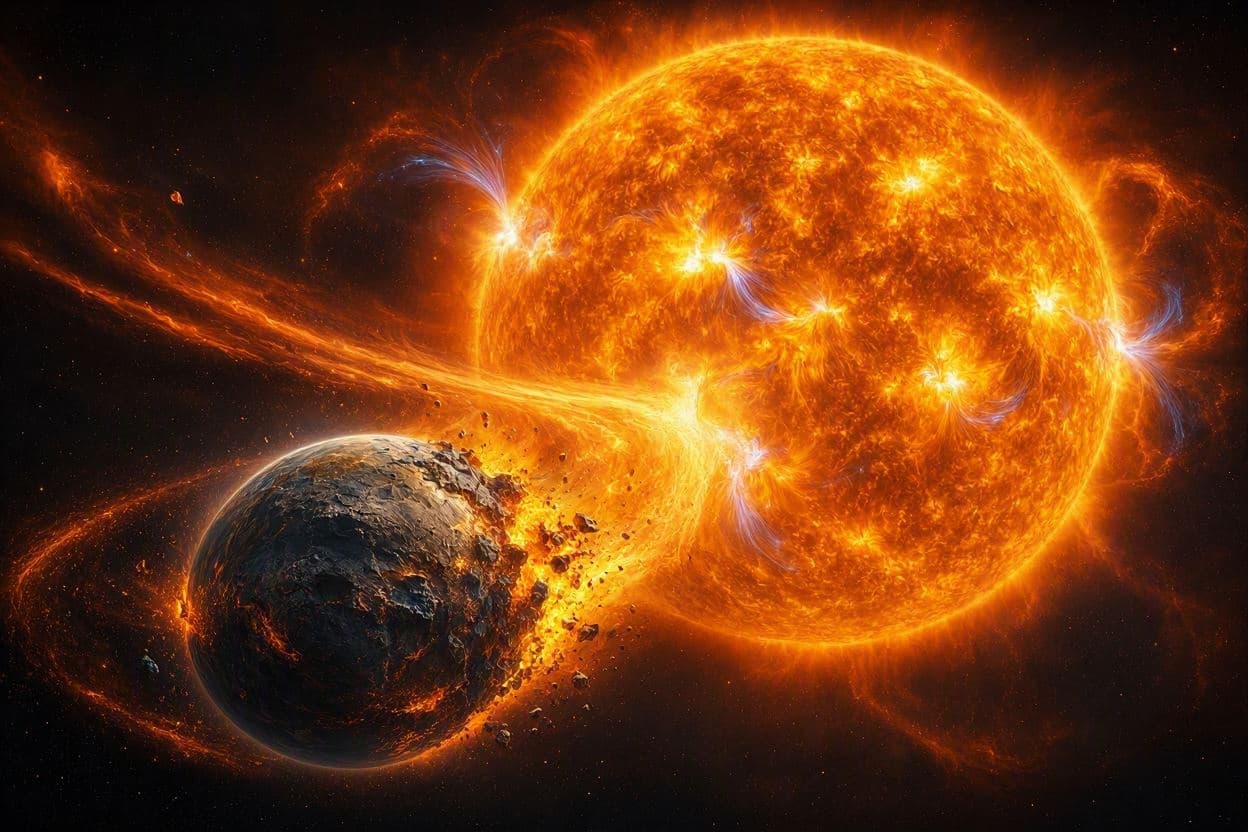
In the vast, silent theater of our solar system, the Sun stands as the dominant protagonist, a blazing sphere of plasma that has governed the orbits of planets for billions of years. Yet, recent astronomical whispers suggest that this stellar anchor may have a more violent history than previously imagined. New research proposes that in its early youth, the Sun may have devoured a "super-Earth," a rocky planet larger than our own, leaving behind only chemical clues in its outer layers.
This hypothesis emerges from detailed analyses of the Sun’s composition compared to other stars of similar age and type. Astronomers have long noted that the Sun is somewhat deficient in certain refractory elements—materials that condense at high temperatures, such as iron and silicon—relative to volatile elements. This anomaly has puzzled scientists, but the new study suggests a dramatic explanation: the gravitational ingestion of a terrestrial planet during the chaotic formation era of the solar system.
The concept of a star consuming its own offspring is not entirely new in astrophysics, but applying it to our own local star adds a layer of intimate drama to our cosmic neighborhood. Theoretical models indicate that as giant planets like Jupiter migrated inward and outward in the early solar system, their gravitational tugs could have destabilized the orbits of smaller, rocky worlds. One such unfortunate planet may have been sent on a death spiral into the Sun’s fiery embrace.
If true, this event would have occurred roughly four billion years ago, long before life took hold on Earth. The impact would have been catastrophic for the planet, vaporizing it instantly and mixing its material into the Sun’s convective zone. Over millennia, this mixture settled, altering the chemical signature of the Sun’s surface in a way that modern spectroscopy can now detect. It is a forensic investigation on a stellar scale.
The implications of this theory extend beyond mere curiosity. Understanding whether the Sun consumed a planet helps refine our models of planetary formation and migration. It suggests that our solar system was once a much more volatile place, with planets dancing dangerously close to the central star. This context helps explain why Earth ended up in the "Goldilocks zone," stable and safe, while others may not have been so fortunate.
Critics of the theory point out that other explanations exist, such as the possibility that the missing materials are locked deep within the Sun’s interior or were never present in the initial protoplanetary disk. However, the consistency of the chemical data with simulation results makes the "cannibal Sun" hypothesis a compelling narrative. It invites us to look at our daytime star not just as a source of light, but as a dynamic entity with a complex past.
As telescopes become more powerful and analytical techniques more precise, we may find further evidence to support or refute this idea. For now, the notion that our Sun once swallowed a world serves as a humbling reminder of the forces that shaped our existence. We are here, in part, because other worlds were not. The solar system’s history is written in fire and gravity, and we are only just beginning to read it.
AI Image Disclaimer: The visual representations in this article are AI-generated illustrations designed to depict theoretical astronomical events.
Sources: Nature Astronomy, Space.com, Live Science
Published by Banx Network. This article is part of the Banx decentralized media programme, powered by the BXE token on the XRP Ledger.