Scientists examining material returned from Bennu by the OSIRIS-REx mission have discovered a remarkable suite of organic molecules — among them 14 of the 20 amino acids that life on Earth uses to build proteins, and all five of the nucleobases that form the backbone of DNA and RNA.
These organic compounds were not just trace impurities. The composition of Bennu’s sample suggests it came from an ancient parent body where, long ago, liquid water and salts likely permeated the rock — an environment conducive to prebiotic chemistry. Evidence for briny water — now evaporated and captured in the mineral structure — supports the idea that Bennu’s parent body held environments rich enough to foster chemical reactions, possibly similar to primordial “soups” theorized for early Earth.
Even more evocative is the detection of a complex amino acid, Tryptophan, among Bennu’s inventory — a compound which had never been definitively shown to originate outside Earth before.
What does this mean? If asteroids like Bennu carried a rich cocktail of organic compounds — amino acids, nucleobases, ammonia, salts, water-derived minerals — and if those materials rained down on early Earth via meteorite impacts, then the seeds of life might have been sown from space. It’s a powerful complement to theories of abiogenesis on Earth, painting a picture of a Solar System where life’s building blocks were widespread, drifting through space until they found a hospitable ground.
At the same time, scientists are careful: finding amino acids and nucleobases doesn’t amount to finding life. The molecules on Bennu are raw materials — not cells, not organisms, not proof. But as a time capsule from a pre-Earth world, the asteroid sample offers a rare and uncontaminated glimpse into chemistry that predates biology.
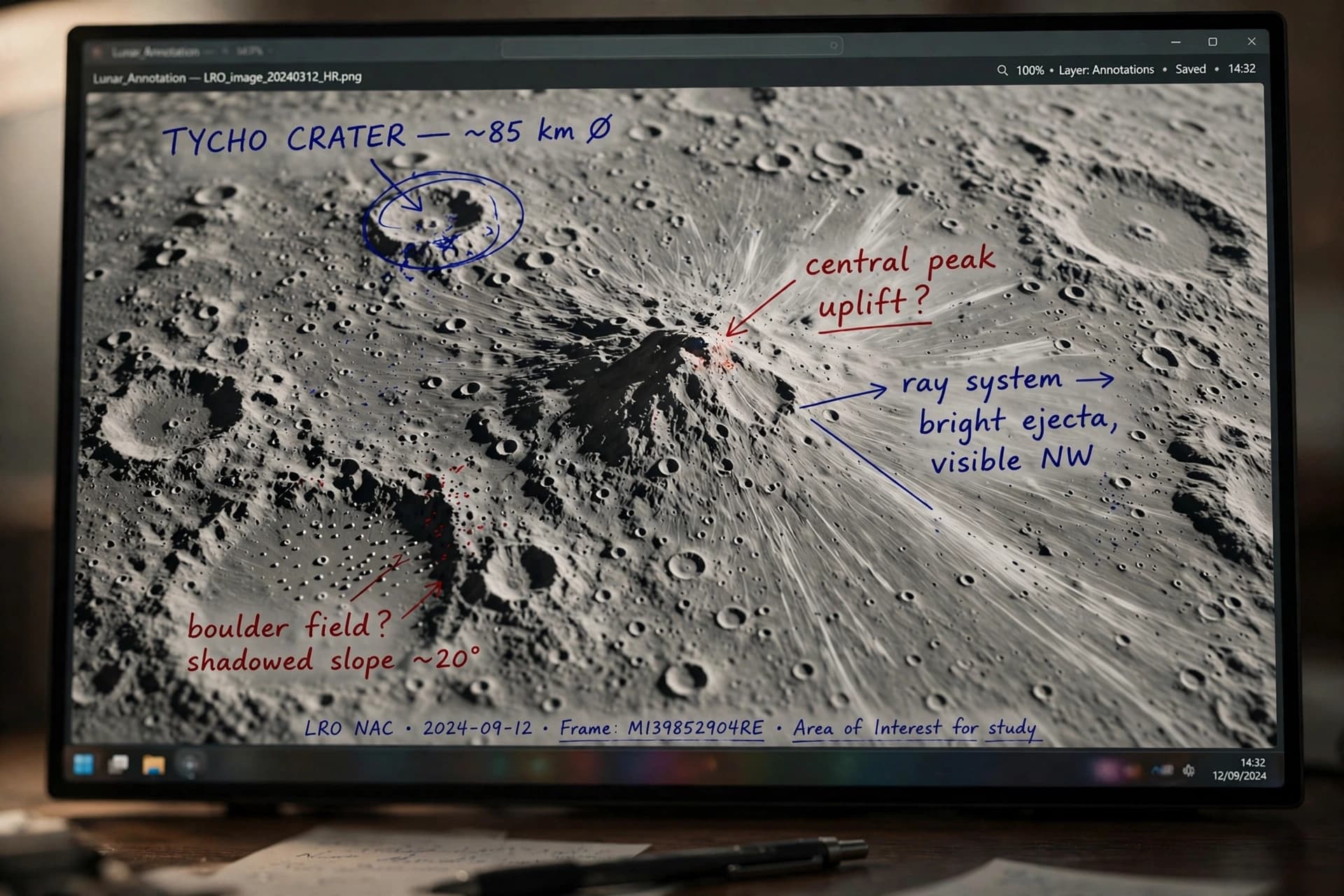
AI Image Disclaimer Visuals created with AI tools and intended as conceptual depictions, not actual photographs.
Sources Phys.org; NASA; The Guardian; Natural History Museum; Sci.News
Published by Banx Network. This article is part of the Banx decentralized media programme, powered by the BXE token on the XRP Ledger.