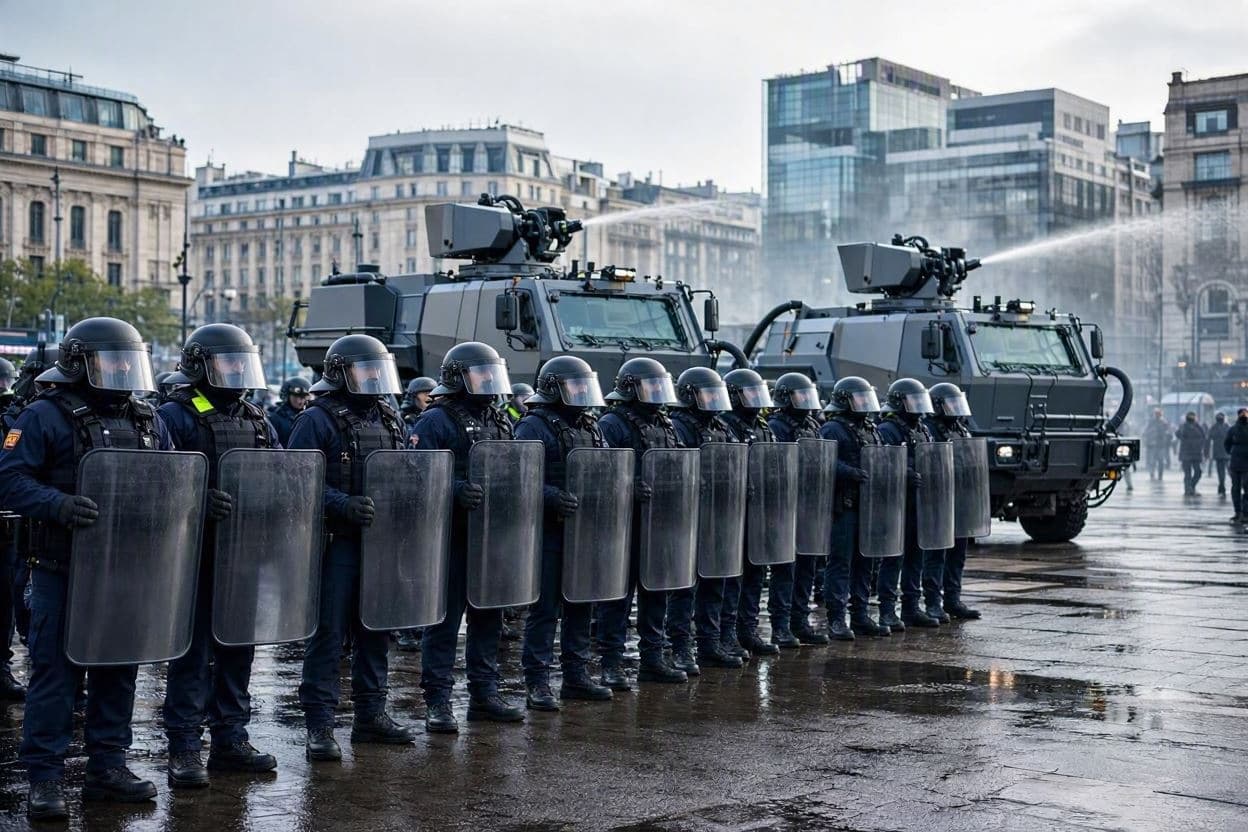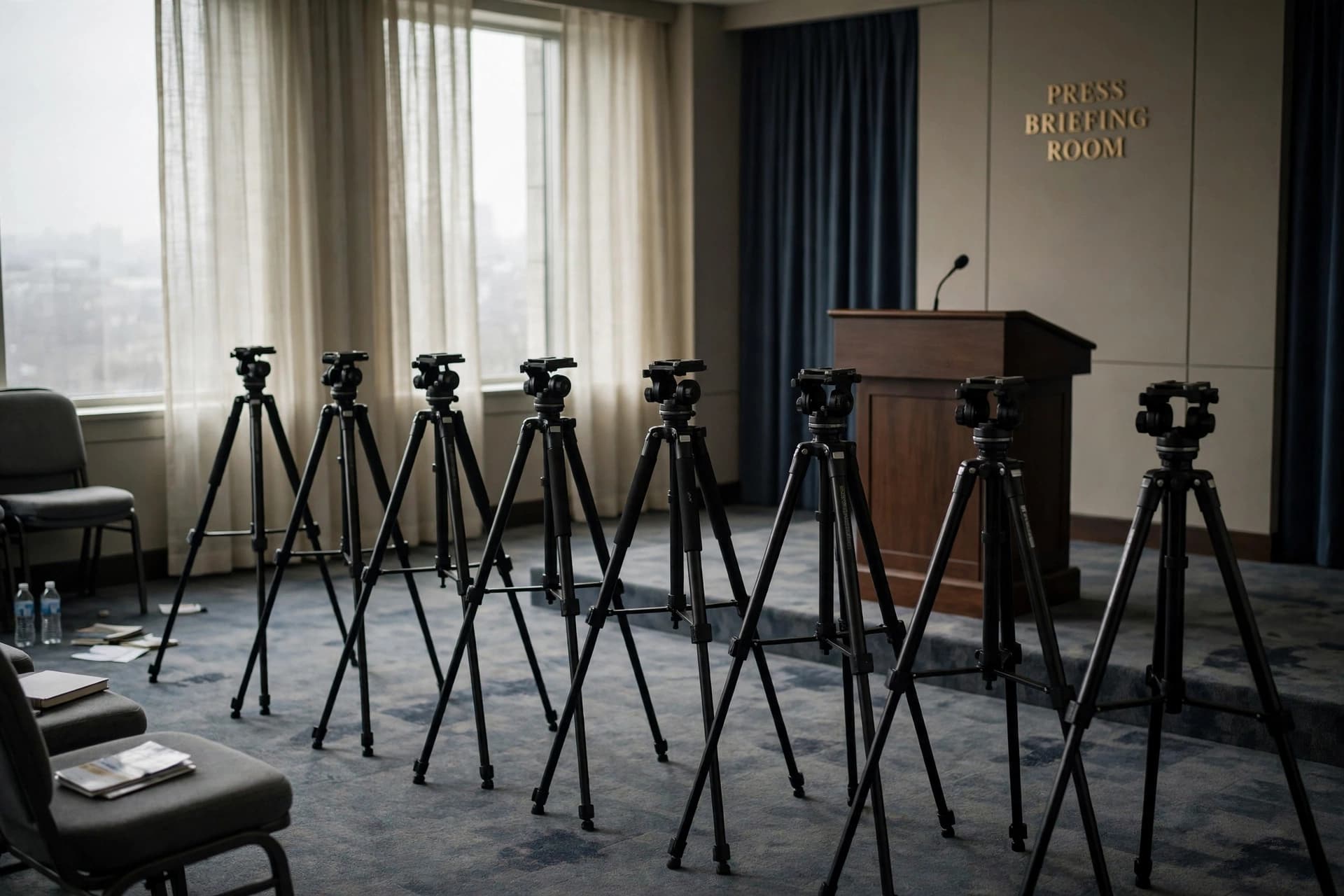
In the grand theater of American democracy, the press serves as the eyes and ears of the public, translating the actions of power into understandable narratives. When this vital link is severed, the silence can be deafening. The recent decision by major US television networks to suspend their participation in the White House pool coverage marks a significant moment in the relationship between the presidency and the media. This collective stand, taken in response to the exclusion of certain outlets, underscores the enduring tension between access and accountability in political journalism. It is a reflection of the delicate balance required to maintain a free and informed society.
The controversy began when the White House banned CNN, MS NOW, and Politico from covering presidential events, citing concerns over bias and fairness. In solidarity, ABC, CBS, Fox News, and NBC declined to step in as replacements, effectively halting televised pool coverage of the President. This move is not merely a protest but a statement of principle, asserting that the integrity of the press pool relies on inclusivity and mutual respect. By withdrawing, these networks highlight the importance of a diverse media landscape in holding power to account.
The White House press pool has long been a cornerstone of political reporting, allowing a small group of journalists to cover the President’s daily activities and share that footage with the broader media community. This system ensures that all outlets, regardless of size or resources, have access to essential information. Disrupting this arrangement risks fragmenting the narrative, leaving the public with incomplete or biased perspectives. The networks’ decision to suspend participation is a safeguard against such fragmentation, preserving the ideal of comprehensive coverage.
For the public, the absence of pool coverage means fewer live images and direct observations of presidential events. Instead, viewers may rely on official releases or selective leaks, which lack the independent verification provided by journalists. This shift raises concerns about transparency and the potential for misinformation to fill the void. In an era where trust in institutions is already fragile, maintaining open channels of communication is more important than ever.
The legal implications of the ban are also being explored. CNN, MS NOW, and Politico have filed lawsuits arguing that their exclusion violates the First Amendment. These cases will likely take months or years to resolve, but the immediate impact is felt in the daily operations of the White House press corps. The suspension of pool coverage adds pressure on the administration to reconsider its stance, as the lack of visual documentation limits its ability to control the narrative effectively.
Political analysts note that this standoff reflects broader trends in media polarization. As outlets cater to specific audiences, the common ground necessary for a unified national discourse erodes. The White House’s decision to ban certain outlets may appeal to its base but alienates others, deepening divisions. The networks’ response seeks to restore a sense of neutrality and professionalism, reminding the public that journalism serves truth rather than partisan interests.
Behind the scenes, negotiations continue between White House officials and media representatives. Both sides recognize the need for a functional relationship, even amidst disagreement. The goal is to find a solution that respects editorial independence while ensuring reasonable access. This process requires patience and goodwill, qualities that are often in short supply in today’s fast-paced political environment. Yet, the stakes are high enough to warrant the effort.
As the situation evolves, the public watches with keen interest. The outcome will set a precedent for future interactions between the presidency and the press. Will the boundaries of access expand or contract? Will collaboration replace confrontation? These questions remain unanswered, but the current impasse serves as a powerful reminder of the value of a free press. It is a pillar of democracy that must be defended with vigilance and courage.
The suspension of White House pool coverage by major TV networks is a significant event in the ongoing dialogue between media and government. As both sides navigate this challenge, let us hope for a resolution that prioritizes transparency and public interest. In the end, an informed citizenry is the best defense against tyranny and error.
AI Image Disclaimer: The images accompanying this article are AI-generated illustrations designed to capture the theme of media and politics without depicting real individuals or specific events.
Sources: The Guardian The Washington Post New York Times CNBC
Published by Banx Network. This article is part of the Banx decentralized media programme, powered by the BXE token on the XRP Ledger.