Article
In the quiet corners of rural Grant County, where the morning sun slips over fields and ponds, nature’s rhythms often go unnoticed — until a sudden shift reminds us how closely human and animal worlds intertwine. A single outdoor cat, beloved by its family, has become the unexpected messenger of such a shift. Its life cut short by Highly Pathogenic Avian Influenza (HPAI), or bird flu, this small tragedy offers a glimpse into the fragile web connecting wildlife, domestic pets, and human communities.
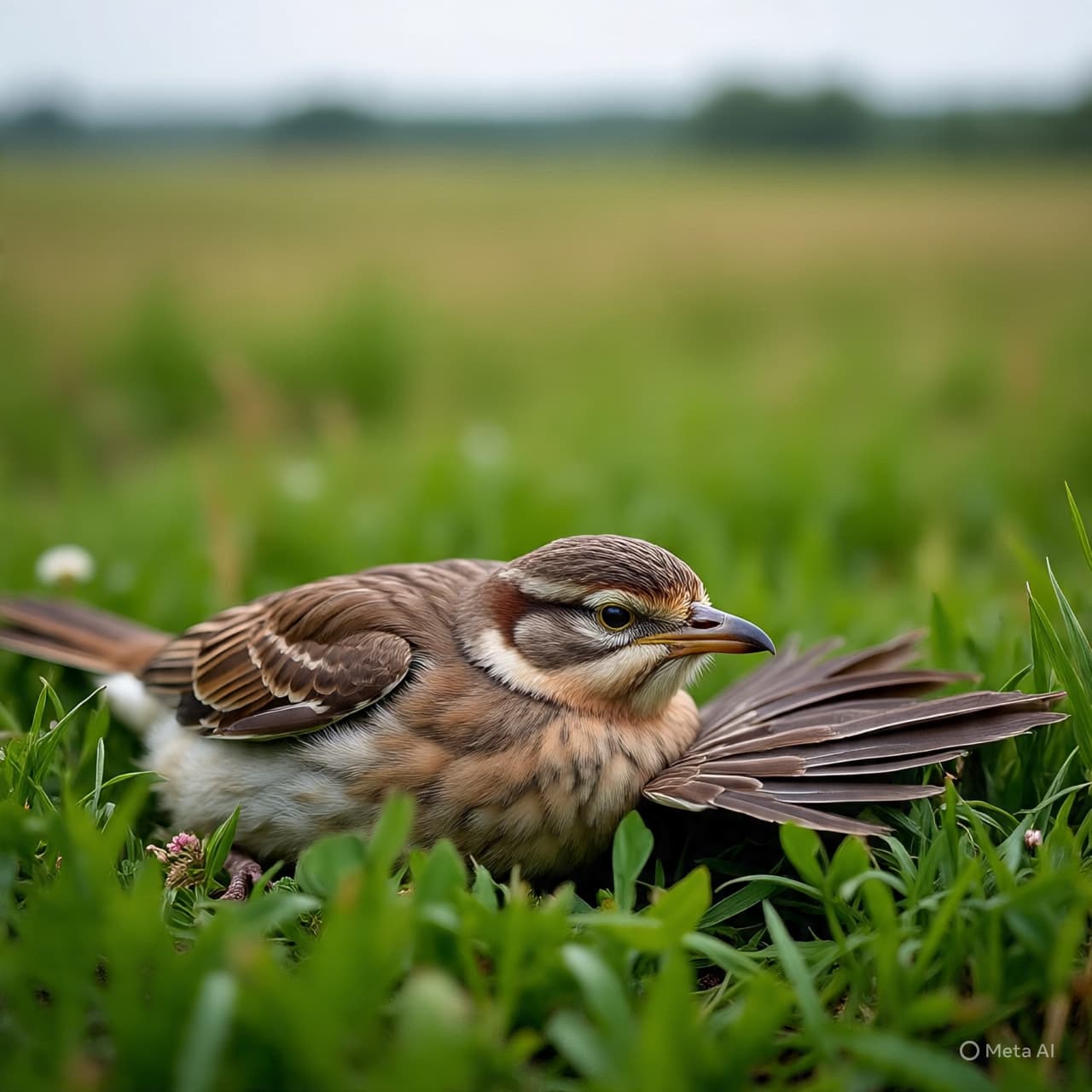
The Washington State Department of Agriculture (WSDA) confirmed the cat’s death after testing revealed the virus, likely contracted from contact with a deceased wild bird. Officials stressed that this was not linked to commercial pet food, underscoring that the encounter occurred in the natural spaces where pets roam and wildlife thrives. For local families, the event serves as both a warning and a reminder of the unseen interactions between domestic life and the broader ecosystem.
Across Washington, HPAI continues to circulate in wild bird populations, and the Grant County incident highlights the virus’s occasional spillover into mammals. While there are no reported human cases connected to this cat, state authorities encourage vigilance. Pet owners are urged to keep outdoor cats indoors when possible, avoid letting animals approach sick or dead birds, and promptly consult veterinarians if pets display unusual symptoms.
In a landscape where disease often moves silently, these precautions are simple yet vital. They illustrate how small actions — closing a door, observing from a distance, reporting unusual wildlife deaths — can ripple outward to protect both human and animal communities. Each life, whether feathered or furred, is part of a delicate balance, reminding us of the interdependence woven into the world around us.
Though the story carries a note of loss, it also conveys learning and adaptation. WSDA and local health departments continue monitoring wild birds, guiding residents, and providing resources to minimize risk. The message is gentle but clear: awareness, care, and timely response are the tools we have to navigate these intersecting worlds of wildlife and domestic life.
As the season progresses, the lesson lingers — that in our shared environments, attentiveness and precaution are both acts of kindness and guardianship. The death of one cat becomes a mirror reflecting broader patterns in nature and human responsibility, urging thoughtful coexistence without panic.
AI Image Disclaimer
“Illustrations were produced with AI and serve as conceptual depictions.”
---
Sources
1. KOMO News
2. Grant County Health District
3. WSDA (Washington State Department of Agriculture)
4. Reddit – H5N1 Avian Flu community reporting
5. AP News coverage of HPAI in mammals
Published by Banx Network. This article is part of the Banx decentralized media programme, powered by the BXE token on the XRP Ledger.