
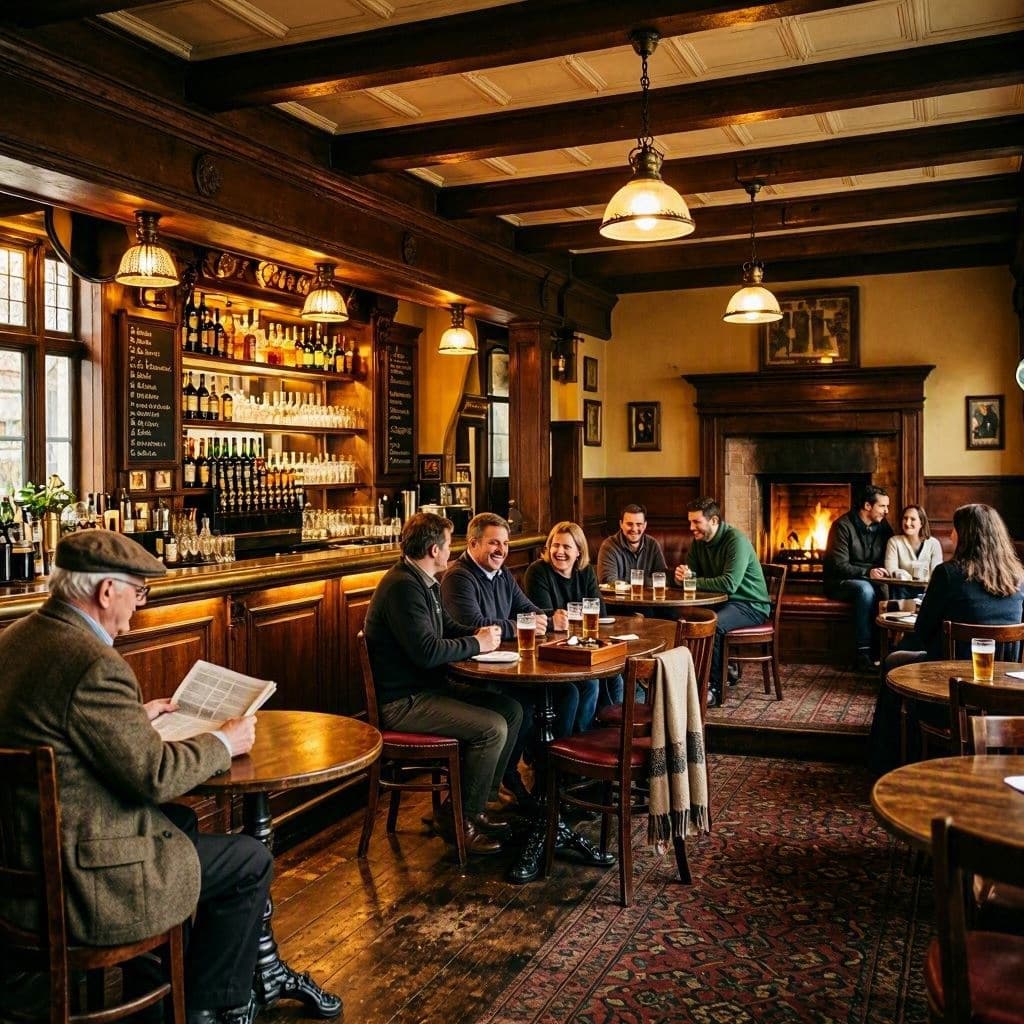
The pub has long been the living room of British society, a place where stories are shared, friendships are forged, and the day’s stresses are washed away with a pint. In London’s bustling West End, however, the traditional image of leaning against the bar is facing a potential regulatory shift. Westminster City Council has proposed guidelines that would discourage "vertical drinking," or standing while consuming alcohol, in favor of seated service. The move, aimed at curbing excessive drunkenness and promoting a more orderly environment, has sparked a lively debate about culture, commerce, and community. It is a moment of reflection on how public spaces evolve to meet modern challenges.
The proposal suggests that pubs and bars should prioritize table service and reduce open bar areas where patrons stand. Officials argue that this change would help manage crowd behavior, reduce noise, and improve safety in densely populated areas like Soho. The term "vertical drinking" has become a focal point of the discussion, symbolizing a style of consumption that authorities believe contributes to antisocial behavior. While not a strict ban, the guidance encourages venues to adopt practices that foster a calmer atmosphere.
Pub owners and industry representatives have expressed concern, noting that standing at the bar is a cherished social tradition. They argue that it facilitates casual interaction and is essential for the viability of many establishments, particularly those with limited space. Forcing a shift to seated service could alter the character of these venues and impact their revenue. The balance between regulation and cultural preservation is delicate, requiring careful consideration of all stakeholders.
Supporters of the proposal highlight the benefits of a more structured environment. Seated service allows for better monitoring of alcohol consumption and can reduce the likelihood of disturbances. It also aligns with broader efforts to improve the night-time economy, making it more inclusive and sustainable. The goal is not to eliminate enjoyment but to ensure that it occurs in a safe and respectful manner.
The debate reflects broader tensions in urban management, where the needs of residents, businesses, and visitors must be balanced. London’s West End is a vibrant hub of activity, but it also faces challenges related to congestion and public order. Finding solutions that enhance quality of life without stifling vitality is a complex task. Dialogue between the council and the hospitality sector is ongoing, aiming to find a mutually acceptable path forward.
As the consultation process continues, the outcome remains uncertain. Whether the guidelines are adopted in full or modified, the conversation itself is valuable. It invites a reimagining of how social spaces function in a modern city, encouraging innovation and responsibility. The pub, as an institution, will likely adapt, as it has done throughout history.
Westminster City Council’s proposal to discourage standing at the bar in London pubs has ignited a debate on culture and safety. While the final policy is yet to be determined, the discussion highlights the evolving nature of urban social spaces. The hope is for a solution that preserves the spirit of the pub while ensuring public order.
AI Image Disclaimer: Visuals associated with this article are AI-generated to illustrate the themes of urban life and hospitality.
Sources: The Guardian CNN Westminster City Council
Published by Banx Network. This article is part of the Banx decentralized media programme, powered by the BXE token on the XRP Ledger.

.jpg&w=3840&q=75 "EU Gambling Levy Omitted From Irish MFF Budget Draft, but Remains Under Discussion")
.jpg&w=3840&q=75 "Sally Rooney’s Books to Be Withdrawn From UK Sale Over Palestine Action Support")