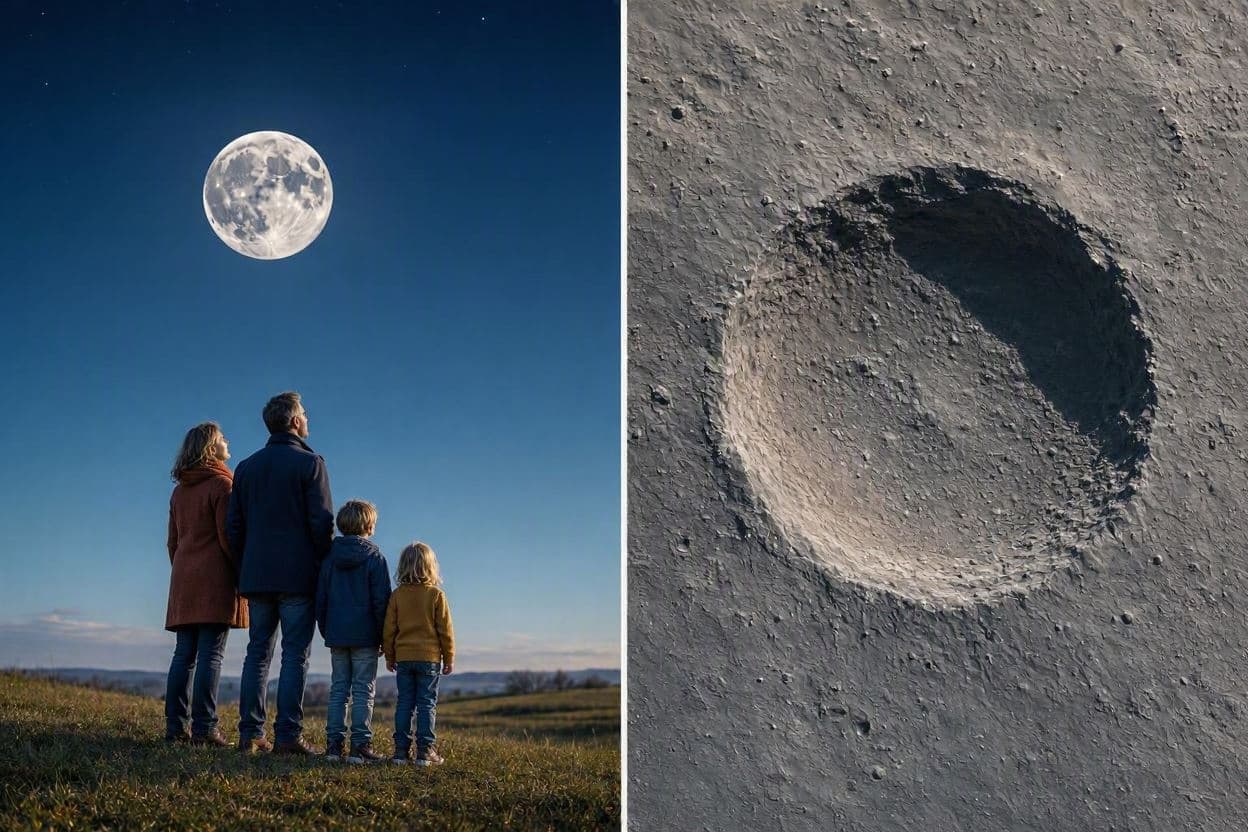
Sometimes, the most profound discoveries are hidden in plain sight, waiting for a curious eye to notice them. In the remote landscapes of our planet, digital maps have become tools for exploration, allowing anyone with an internet connection to scan the Earth’s surface for anomalies. Recently, a massive circular depression spotted on Google Earth has sparked interest among geologists and amateur enthusiasts alike, raising the possibility that it is the scar of an ancient meteorite impact.
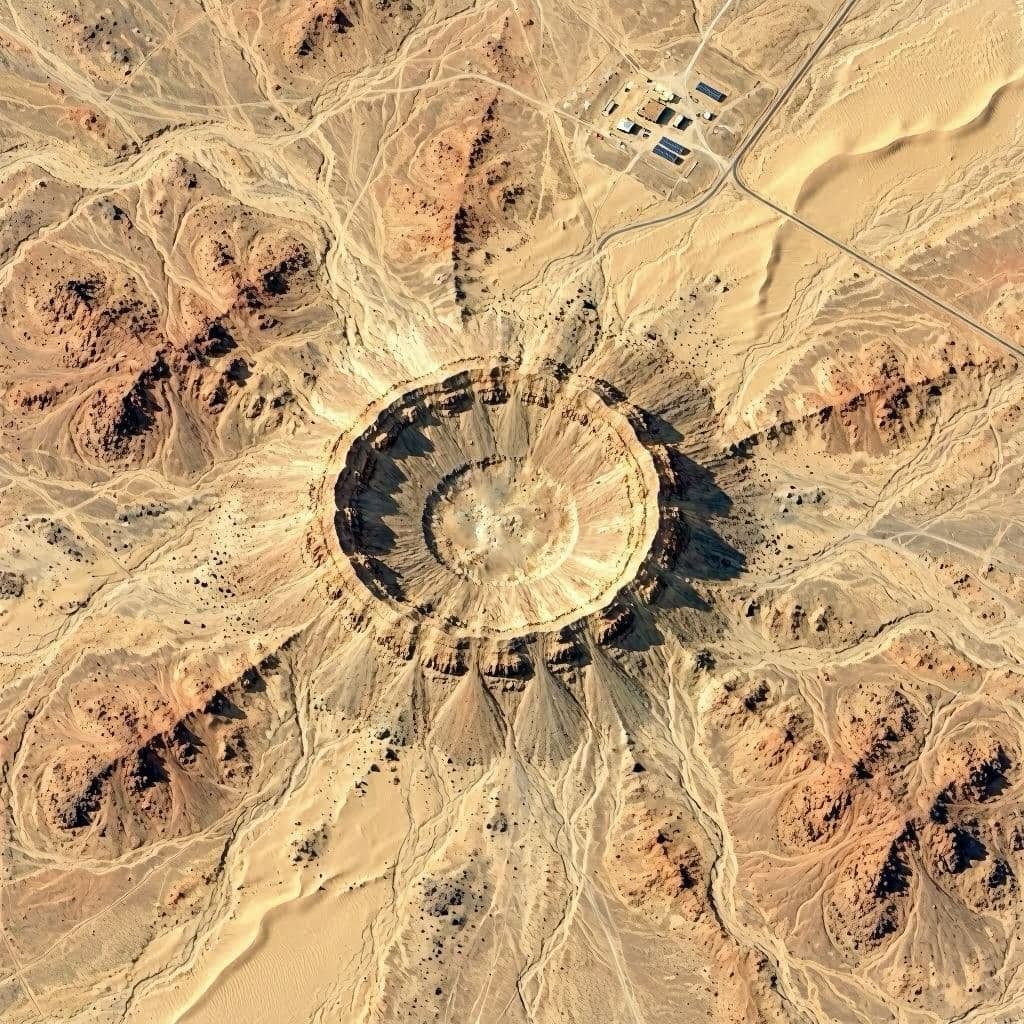
The feature, located in a sparsely populated region, exhibits the classic morphology of an impact crater: a raised rim, a depressed center, and radial patterns that suggest a high-energy event. While natural geological processes like volcanic activity or erosion can create similar shapes, the symmetry and scale of this particular formation point toward an extraterrestrial origin. The sheer size of the crater suggests that the impacting body was substantial, likely several kilometers in diameter.
Initial analysis by researchers involves comparing satellite imagery with known geological data. They look for signs of shock metamorphism, where rocks are altered by intense pressure and heat, which is a hallmark of meteorite impacts. If confirmed, this crater would add to the relatively short list of verified impact sites on Earth, many of which have been erased by weathering and tectonic activity over millions of years.
The potential age of the crater remains a subject of speculation. Without physical samples from the site, dating the impact is challenging. However, the preservation of the structure suggests it may be geologically recent, perhaps only a few million years old. This timeframe is significant, as it places the event in an era when early hominids or other prehistoric life forms may have witnessed the fiery descent of the meteor.
Public engagement with such discoveries highlights the democratization of science. Platforms like Google Earth allow citizens to contribute to scientific inquiry, often spotting features that professionals might overlook due to the vastness of the data. This collaborative approach fosters a sense of shared ownership over our planet’s history and encourages broader interest in geology and astronomy.
If verified, the crater could provide valuable insights into the frequency of large impacts on Earth. Understanding these events is crucial for assessing future risks and developing strategies for planetary defense. Each new discovery helps refine models of near-Earth object populations and their potential trajectories, enhancing our preparedness for similar events in the future.
The mystery of the crater also serves as a reminder of the dynamic nature of our planet. Earth is not just a passive stage for life but an active participant in the cosmic dance, occasionally bearing the marks of encounters with other celestial bodies. These scars tell stories of violence and survival, linking our terrestrial existence to the wider solar system.
Whether this feature proves to be a meteorite impact or a unique geological formation, its discovery underscores the value of curiosity and observation. As technology continues to expand our ability to see the world, we may find more hidden chapters of Earth’s history waiting to be read. The crater stands as a silent witness to a moment when the sky fell, inviting us to look closer at the ground beneath our feet.
AI Image Disclaimer: The images in this article are AI-generated visualizations of crater landscapes and satellite views, intended to represent the type of geological features discussed.
Sources: National Geographic Geological Society of America BBC Science Earth Impact Database
Published by Banx Network. This article is part of the Banx decentralized media programme, powered by the BXE token on the XRP Ledger.