Energy transitions rarely arrive with spectacle. More often, they appear quietly, through measures designed to nudge daily life in a new direction. In Portugal, that movement now turns once again toward rooftops, sunlight, and the promise of smaller changes adding up to something lasting.
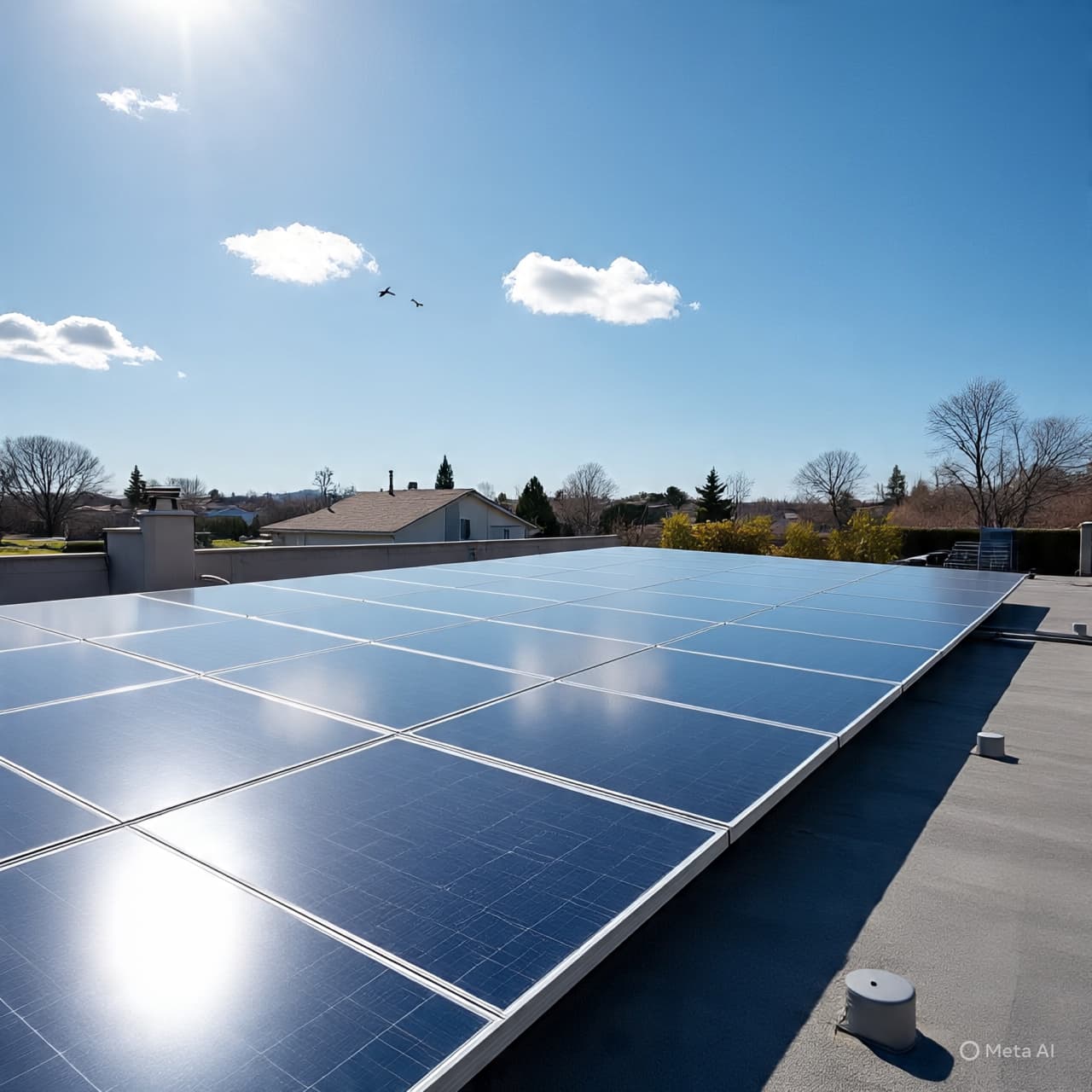
The government has announced that it will launch “soon” a system of vouchers for the purchase of solar panels, aiming to encourage households to adopt renewable energy solutions. The measure is expected to support families interested in producing their own electricity and reducing dependence on the conventional power grid.
According to official statements, the vouchers will function as direct financial support, helping offset the initial cost of installing photovoltaic panels. While full operational details have not yet been disclosed, the initiative is intended to simplify access to solar energy, particularly for middle- and lower-income households.
The program aligns with national climate goals, which emphasize energy efficiency, emissions reduction, and greater use of renewable sources. Authorities argue that household-level production plays a key role in decentralizing energy generation and strengthening long-term sustainability.
In recent years, rising electricity prices and growing climate awareness have increased interest in solar installations. However, the upfront investment has remained a barrier for many families, even as long-term savings become clear over time.
Government officials describe the voucher system as a practical response to that gap — a way to transform intention into action. By reducing entry costs, the measure seeks to accelerate adoption without complex application processes.
The announcement has been welcomed cautiously by energy experts, who note that clarity will be essential. Eligibility rules, voucher value, installation requirements, and timelines will determine whether the program reaches a broad segment of the population or remains limited in scope.
Environmental organizations view the initiative as a positive signal, though they stress that isolated incentives must be accompanied by stable policy frameworks and grid modernization to ensure long-term impact.
For households, the announcement represents possibility rather than certainty — a promise still waiting for form. Yet it reflects a wider shift in how energy is imagined: not only produced by large systems, but shaped by individual choices made at home.
As Portugal prepares to reveal the final details, the sunlight remains constant overhead — waiting, as it always has, for ways to be better used.
AI Image Disclaimer “Visuals are created with AI tools and are not real photographs.”
Sources RTP Notícias Público Jornal de Notícias Diário de Notícias SIC Notícias
Published by Banx Network. This article is part of the Banx decentralized media programme, powered by the BXE token on the XRP Ledger.