Beneath the surface of the Earth lies a growing story of cooperation, one not written in headlines of conflict but in the quiet negotiation of resources that power modern life. Australia and Canada are now aligning their paths through critical minerals.
Critical minerals—such as lithium, cobalt, and rare earth elements—have become foundational to the global transition toward clean energy and advanced technology. Their importance stretches from electric vehicles to renewable energy storage systems.
Australia, rich in mineral reserves, and Canada, with its expanding mining and refining capabilities, find themselves in a complementary position. Together, they are shaping a partnership that extends beyond trade into strategic alignment.
This cooperation is increasingly viewed as part of a broader effort among allied economies to reduce dependency on concentrated supply chains. The geopolitical implications are subtle but significant, especially in a world where resource access influences technological leadership.
Experts note that such agreements may stabilize global markets by diversifying supply sources. However, environmental considerations remain central to the conversation, as mining practices face scrutiny over ecological impact.
Indigenous rights and land stewardship also form an essential part of the dialogue in both countries, adding layers of responsibility to what might otherwise be a purely economic arrangement.
The partnership is not without complexity. Balancing industrial demand with sustainability goals will require long-term coordination, regulatory alignment, and technological innovation in extraction and processing methods.
Still, the agreement signals a shared understanding: the future of energy and technology will depend not only on innovation, but on how responsibly the world manages what lies beneath its surface.
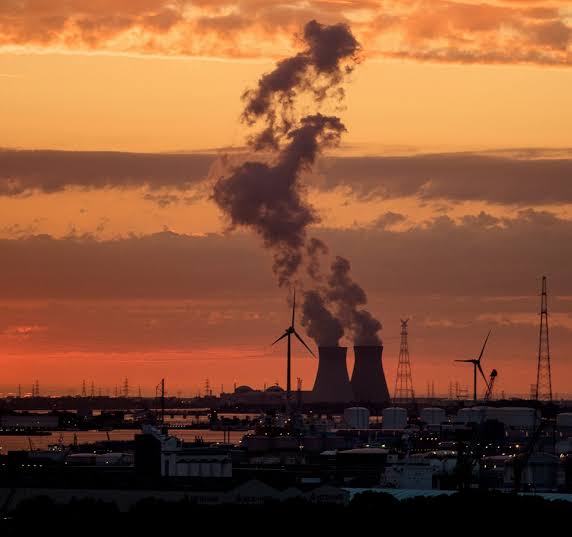
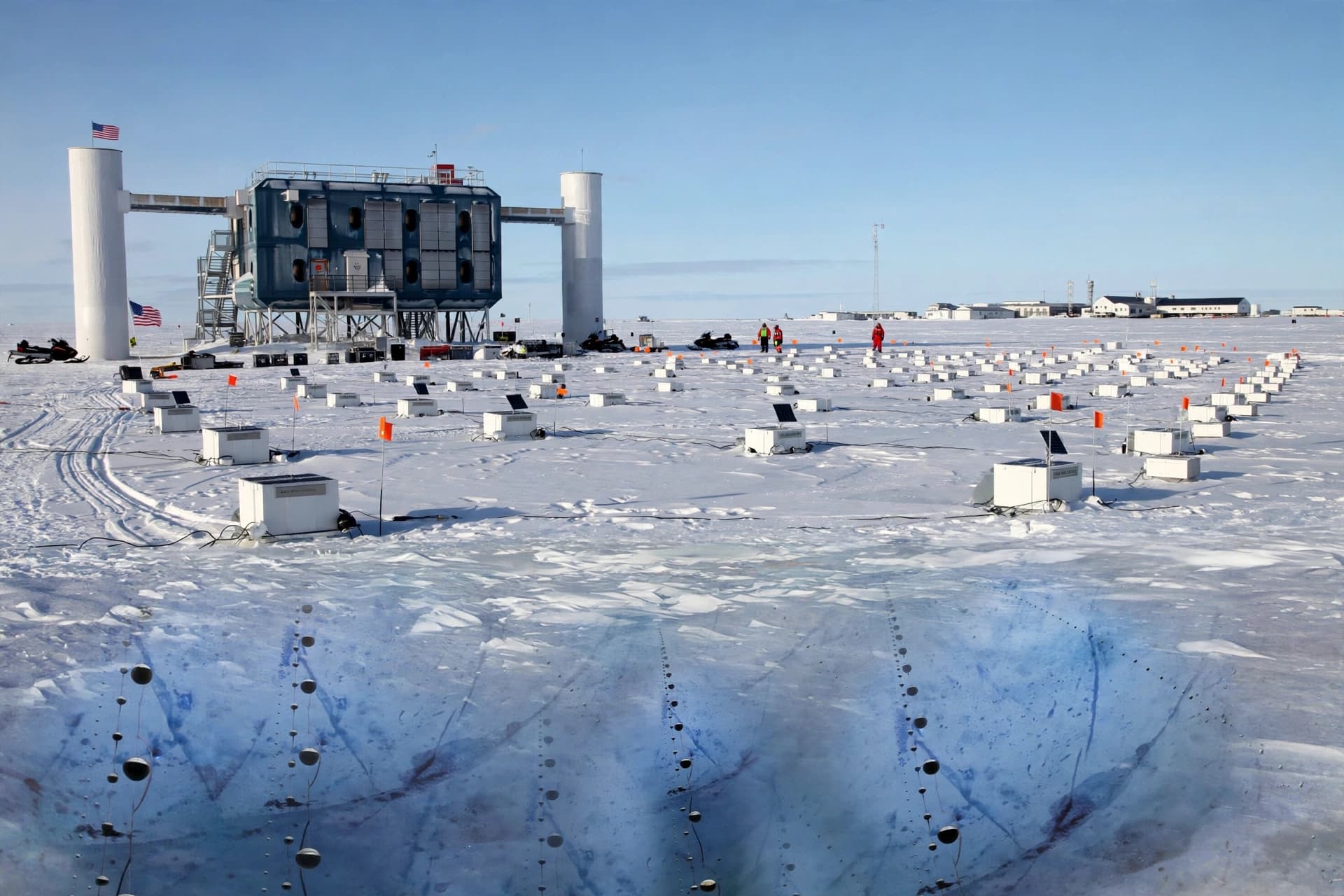
AI Image Disclaimer: Images in this article are AI-generated for illustrative editorial use.
Sources (source verification check): Reuters, The Guardian, Investing.com, Natural Resources Canada reports, Australian Department of Industry
Published by Banx Network. This article is part of the Banx decentralized media programme, powered by the BXE token on the XRP Ledger.