In Detroit’s long hum of industry, even the strongest engines can stutter when markets tremble. General Motors has confirmed the elimination of more than 200 positions, citing “business volatility” as the reason behind its latest restructuring move. The layoffs, though small relative to its vast workforce, reflect deeper tremors within the auto industry—where demand, costs, and confidence now move on uncertain ground.
GM, once the embodiment of industrial permanence, now navigates a market defined by swift turns: fluctuating material prices, shifting consumer preferences, and uneven electric-vehicle adoption. Executives described the decision as a necessary adjustment to maintain efficiency and preserve financial stability in a volatile business environment. It marks one of several quiet corrections across U.S. automakers seeking balance between innovation and sustainability.
In recent quarters, the company has faced rising production costs and mixed signals in EV sales growth—conditions mirrored throughout the sector. While GM continues investing heavily in electric platforms and software-driven mobility, it also must contend with cyclical pressures that challenge even the most established brands. Analysts say the layoffs underscore how automakers are recalibrating operations in real time, trimming to stay resilient in a market that punishes hesitation.
For GM employees and the wider labor market, the move lands softly but symbolically—a reminder that volatility has become the new constant in American manufacturing.
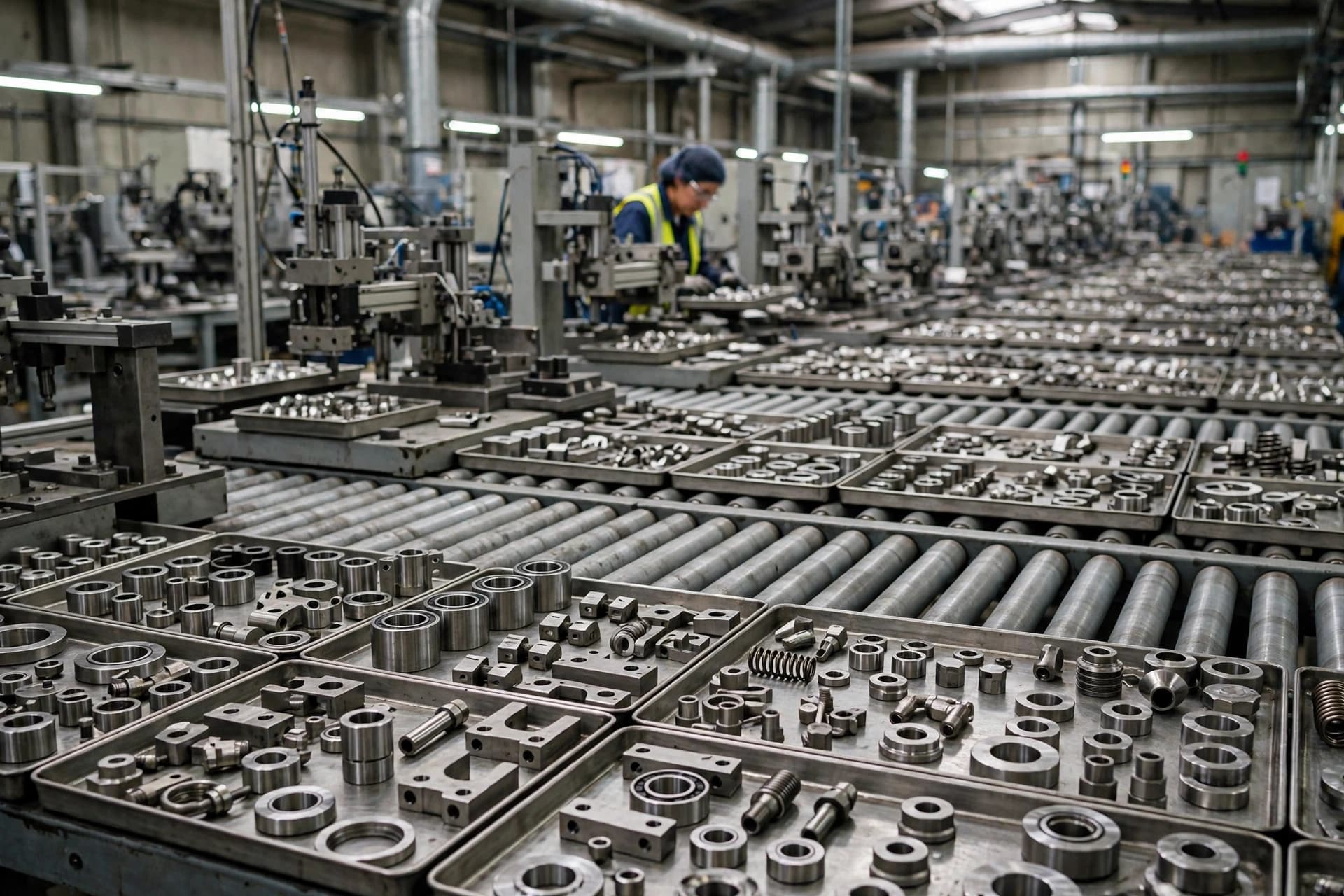
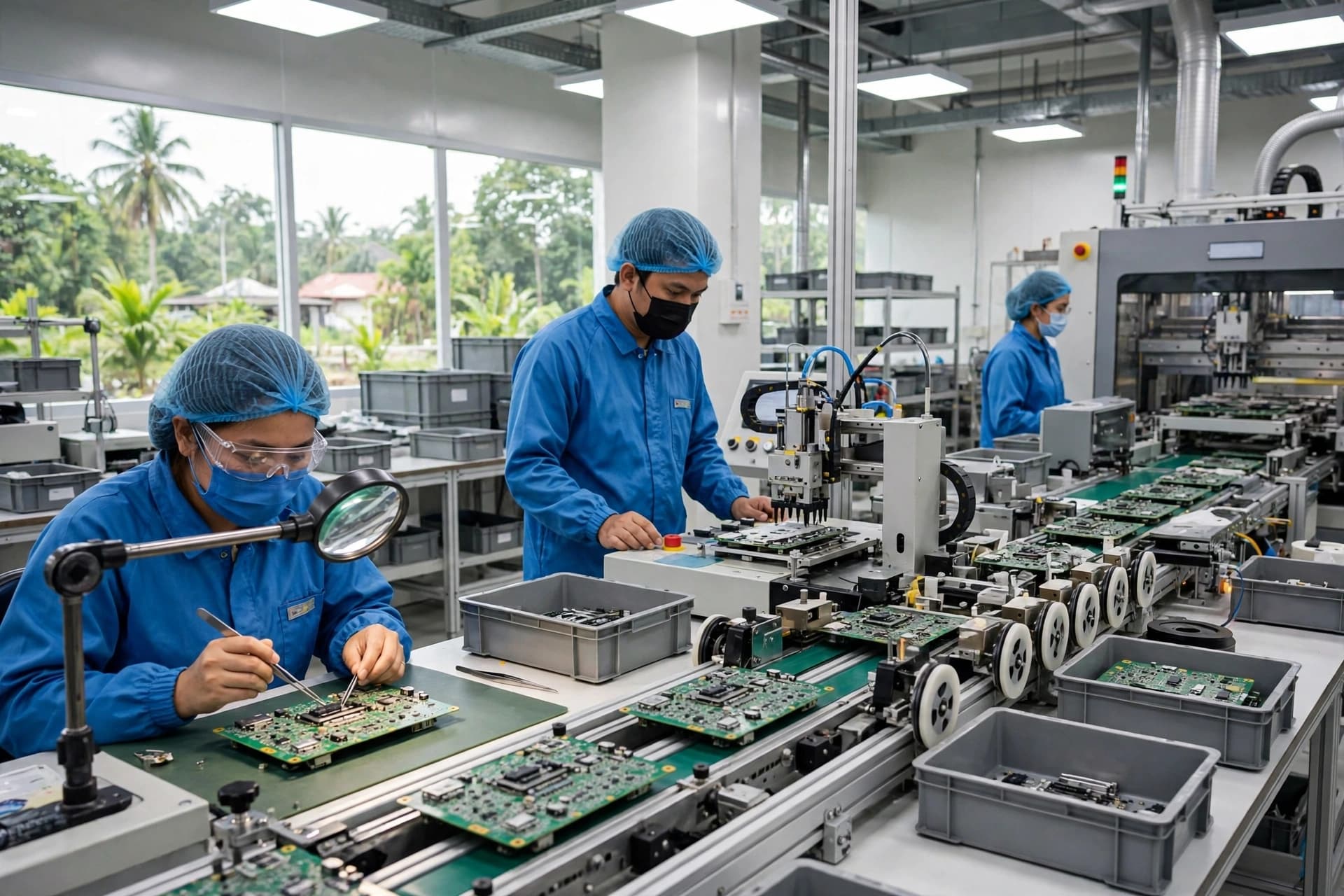
AI image disclaimer: Select images for this article may have been created with AI tools for editorial illustration only.
Sources: Reuters Bloomberg
Published by Banx Network. This article is part of the Banx decentralized media programme, powered by the BXE token on the XRP Ledger.