The weapons of tomorrow are often imagined as something distant: autonomous aircraft, machines operating beyond traditional battlefields, and systems capable of making decisions at extraordinary speed. In Washington, however, that future is already becoming part of today's defense planning. Defense Secretary Pete Hegseth has placed technology executives Elon Musk and Palmer Luckey, along with former House Speaker Newt Gingrich, at the center of a new Pentagon initiative examining how warfare could change.
Hegseth announced Project Meridian during his September 30 "State of the Force" address at Marine Corps Base Quantico in Virginia. The 120-day project is intended to examine future battlefields and identify weapons and technologies that the U.S. military may need in coming decades. The group is expected to provide recommendations for developing and fielding advanced systems.
Musk, the head of SpaceX and Tesla, will co-lead the initiative with Luckey, the founder of defense technology company Anduril, and Gingrich. The Pentagon's announcement places the three men alongside other government, academic and technology figures involved in the broader effort. Hegseth has described the project as an attempt to look beyond existing military assumptions and prepare for future forms of conflict.
The appointments are notable in part because Musk and Luckey have substantial business relationships with the federal government. SpaceX holds major government contracts, including national-security and space-launch work, while Anduril supplies autonomous systems and other defense technologies. Their companies could therefore operate in markets directly affected by the kinds of technologies Project Meridian is expected to examine.
Their political connections have also attracted attention. Both Musk and Luckey have been significant financial supporters of Republican and MAGA-aligned political efforts. That background is part of the reason some observers have raised questions about potential conflicts of interest, particularly because the companies associated with the two men compete for defense contracts. The Washington Post reported that it was not immediately clear how the participants would manage those potential conflicts while their companies and competitors seek government business.
The Pentagon, however, presents the initiative primarily as a technology and military-planning exercise. Hegseth said Project Meridian would focus on discovering, developing and fielding systems that future service members might require. Separately, he announced an Autonomous Warfare Command intended to accelerate the development and deployment of autonomous systems and drones.
The initiative arrives as the Defense Department is placing greater emphasis on autonomous weapons, artificial intelligence, drones and other emerging technologies. Hegseth's broader announcements also included plans involving military infrastructure, supply-chain resilience and officer education. Together, the initiatives represent an effort by the Pentagon to reshape both how the military operates and how it prepares for future technological competition.
Project Meridian is expected to produce findings within roughly four months, including recommendations that can be used to guide future development and testing. Its eventual influence will depend on what the study recommends and how Pentagon leadership acts on those recommendations. For now, the project marks an unusual intersection of military planning, Silicon Valley technology and the political relationships surrounding Washington's defense establishment.
The future of warfare remains difficult to predict, but the Pentagon has made clear that it wants to prepare for it sooner rather than later. Project Meridian puts private-sector technology leaders directly into that conversation, while their business interests and political histories ensure that questions about transparency and conflicts of interest will remain part of the discussion.
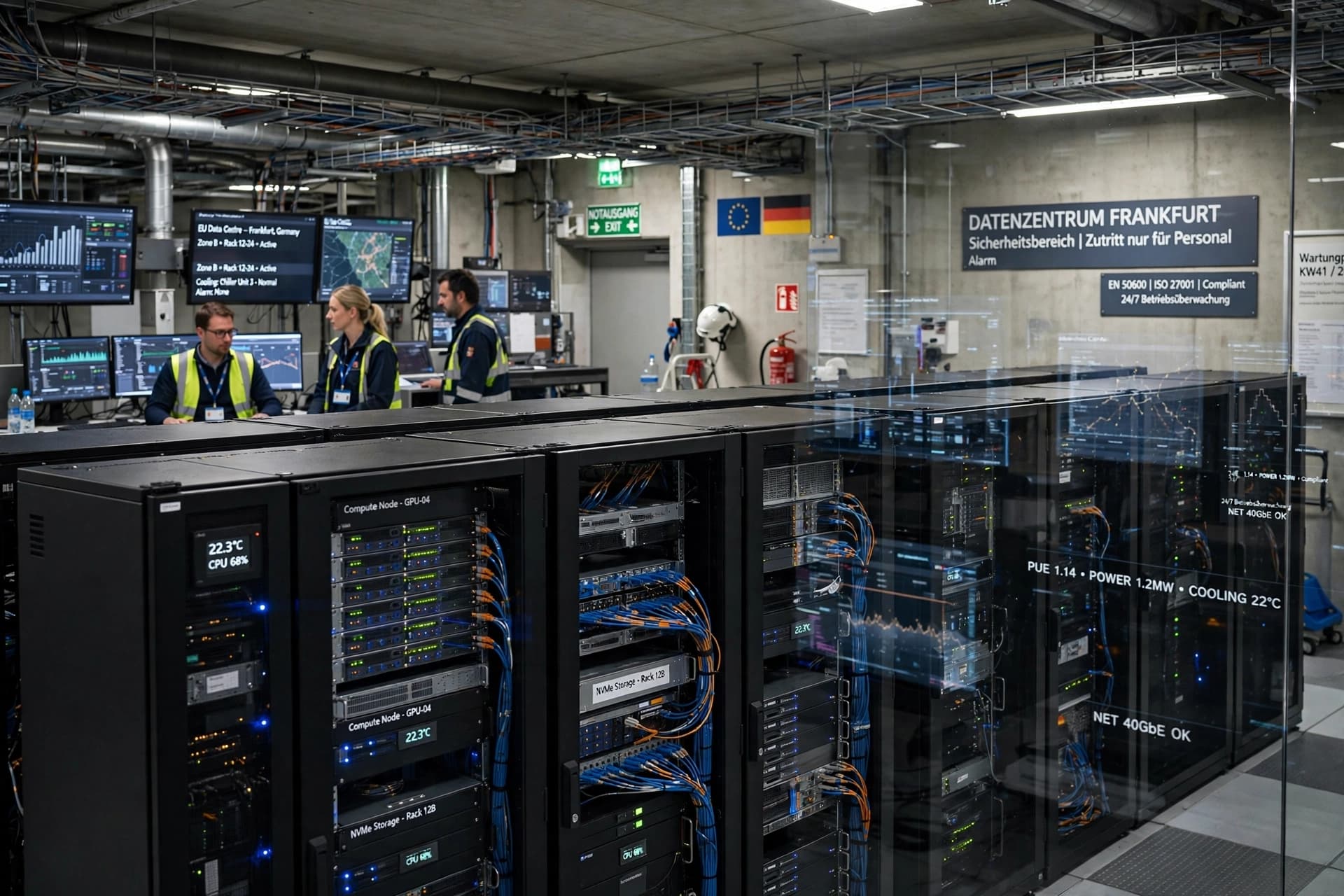
AI Image Disclaimer: Any accompanying illustration is AI-generated for editorial visualization and does not depict an actual Pentagon meeting or Project Meridian session.
Sources: The Washington Post The Wall Street Journal Associated Press Axios TechCrunch The Guardian
Published by Banx Network. This article is part of the Banx decentralized media programme, powered by the BXE token on the XRP Ledger.