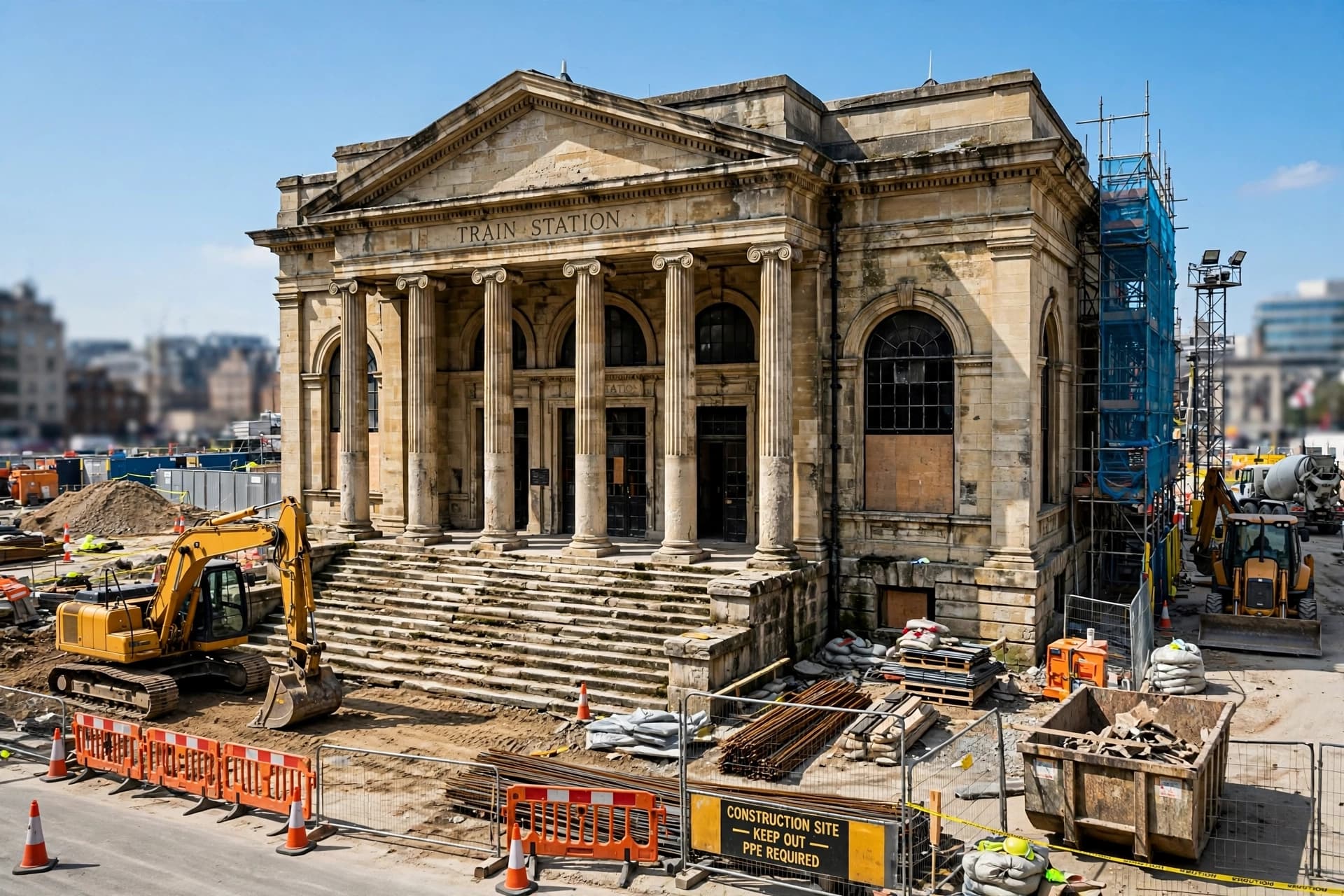
There is a kind of memory that lives in brick and stone, in the worn thresholds of old train stations, in the quiet archaeology of places where people once gathered and worked. In the United States, that memory has been protected for sixty years by a law born from loss—the National Historic Preservation Act of 1966, created after the demolition of New York's original Penn Station made clear that progress, left unexamined, could erase the stories that hold a nation together.
Now, that law faces what preservationists describe as its most serious threat in its six-decade history. A federal council packed with Trump appointees voted this summer to weaken Section 106, the provision that requires federal agencies to consider the impact of their projects on historic sites. At the same time, a bipartisan permitting reform bill gaining traction in the Senate would significantly narrow the review process in order to speed up infrastructure and energy projects.
"It will effectively rewrite the National Historic Preservation Act in ways that, for all intents and purposes, gut its meaning and protections for hundreds of thousands of sites across the country," said Greg Werkheiser, whose law firm, Cultural Heritage Partners, is leading a coalition to protect Section 106.
That coalition, "Section 106 Strong," launched Thursday and says it spans 1,000 organizations—including religious, environmental, and civil rights groups—and Tribal Nations collectively representing more than 9 million Americans. "I've been involved in historic preservation and politics for 30 years, and I've rarely seen a movement come together this quickly," Werkheiser told NPR. "I think Americans are simply fed up with watching their history manipulated, defaced, or destroyed as an instrument of political power".
The law's origins lie in an earlier era of upheaval. During the Great Depression, federal workers surveyed historic buildings across the country, documenting 12,000. By 1965, half had been destroyed or damaged beyond repair. The push for preservation grew from public backlash to post-World War II urban renewal and highway construction, which displaced entire communities and destroyed landmarks. "Folks concluded that if we don't have some strong federal provisions, the natural instinct to just build as fast as you can, wherever you can, is going to take over," Werkheiser said.
Native American tribes and Native Hawaiian organizations were not included in those duties until 1992, one of the last major amendments to the law. Leaders of the Tribal Historic Preservation Officers told NPR that tribal communities now risk losing the seat at the table that took them decades to obtain. "The changes that are being proposed now would represent an enormous and devastating setback not just to pre-1992, but to pre-1966 historical preservation," said Valerie Grussing, the organization's executive director of legislative affairs.
Historic preservation experts maintain that Section 106 gives experts and the public visibility into federal construction projects without significantly slowing them down. The National Trust for Historic Preservation says the nationwide average for a review is 16 days, and that 98% of those reviews conclude that the project will have no adverse effect on nearby historic resources. At the end of the day, said Chris Cody, associate general counsel for the National Trust, "it's about whether or not the federal government can come into your backyard and to your community and do whatever they want".
The coalition's launch marks a new phase in a long argument about what the past is worth, and who gets to decide what remains. For now, the law still stands, its protections intact, its future uncertain.
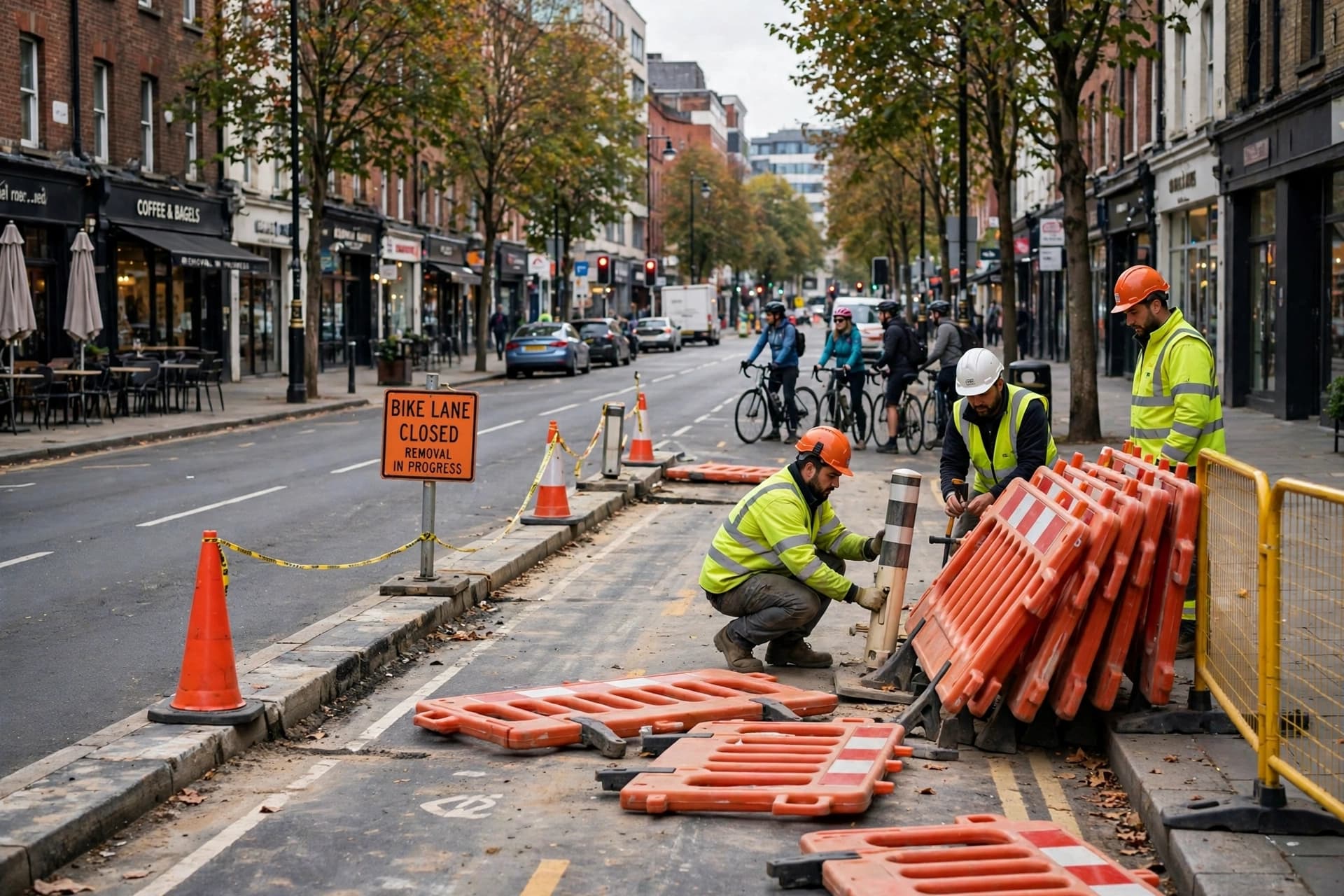
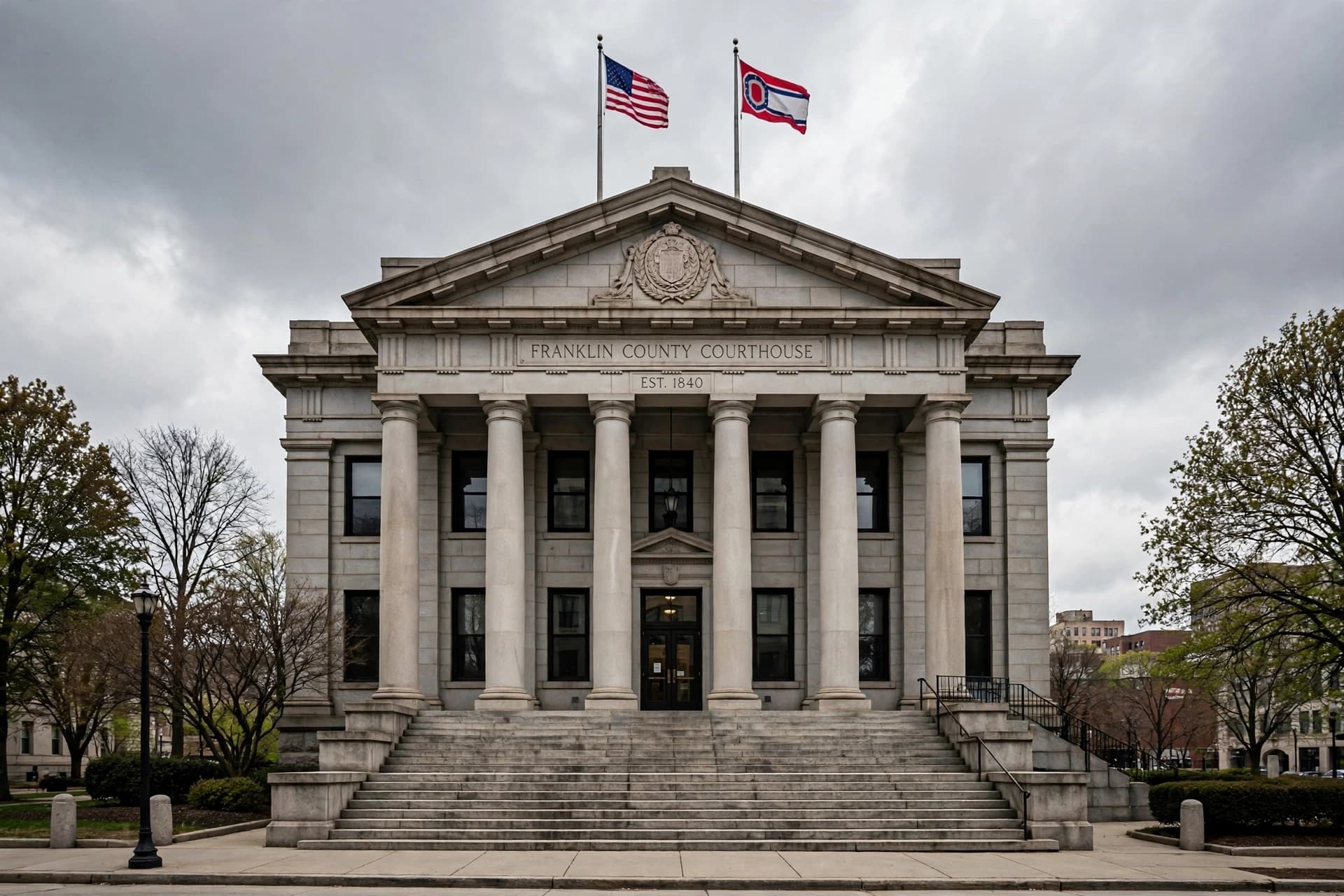
AI Image Disclaimer: The accompanying visual is AI-generated and does not depict an actual historic site or legal proceeding.
Sources: Georgia Public Broadcasting, NPR, National Trust for Historic Preservation, Congress.gov
Published by Banx Network. This article is part of the Banx decentralized media programme, powered by the BXE token on the XRP Ledger.