Economic confidence is often built on the distance between what companies experience today and what they believe may happen tomorrow. A manufacturer may see new orders arriving while a service provider continues to struggle with hesitant customers. When those experiences coexist, the overall picture can improve without becoming entirely reassuring.
Germany’s business climate index rose to 90.2 in October 2026, up from 89.9 in September, according to the Ifo Institute. The October reading marked the sixth consecutive monthly improvement and exceeded analysts’ expectations of 90.0.
The strongest improvement came from companies’ expectations for the coming months. The expectations index increased to 91.6, its highest level in more than four and a half years. By contrast, assessments of current business conditions weakened, falling to 88.8 from 89.5 in September.
The difference between these readings is significant. Businesses may be anticipating stronger demand or better operating conditions even while their present circumstances remain difficult. Expectations can influence hiring, investment, and purchasing decisions, but they do not guarantee that the expected improvement will materialize.
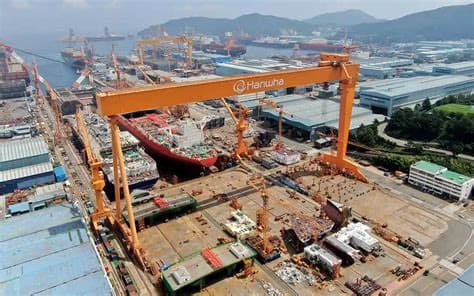
Manufacturing provided an important source of optimism. German manufacturers reported stronger orders and looked toward the potential effects of planned infrastructure spending. Public investment in transport, construction, and other infrastructure can support demand for industrial products and services, although the effects usually emerge over time rather than immediately.
The services sector faced a more subdued environment. Consumer spending remained weak, weighing on business sentiment in parts of the sector. Companies that depend on household purchases or discretionary spending may find it harder to expand when customers become more cautious about their budgets.
The German government had raised its economic growth forecasts to 1.3% for 2026 and 1.1% for 2027, according to Reuters’ report on the Ifo survey. Those projections reflected expectations that infrastructure investment and other spending could support activity. They remain forecasts, however, and actual growth will depend on economic conditions as the year progresses.
Germany’s economy includes a broad mix of export-oriented manufacturers, service providers, retailers, and smaller businesses. Their circumstances can differ considerably, which makes a single national confidence index useful as a broad signal but insufficient to describe every industry or region.
Risks remain. Energy costs, international trade conditions, competition from overseas producers, and uncertainty about customer demand can all influence business decisions. Even when expectations improve, companies may hesitate to make major commitments until they see stronger evidence in their order books and revenues.
The October Ifo survey therefore offers a measured sign of progress rather than proof of a full recovery. Confidence has improved for six months, and expectations are stronger, but current conditions remain uneven. The next question is whether this more optimistic outlook will translate into sustained orders, investment, and economic growth.
### Image Disclaimer
The illustrations are conceptual representations of German business conditions and industrial activity. They do not depict surveyed companies or represent a forecast of guaranteed economic growth.
### Sources
• Reuters
• Ifo Institute
• German Federal Government
Published by Banx Network. This article is part of the Banx decentralized media programme, powered by the BXE token on the XRP Ledger.