In September 2026, reports from Iran described growing pressure on the country’s pharmaceutical supply chain. Al Jazeera reported on September 9 that some patients were struggling to find or afford medicines, while the Associated Press, republished by Business Standard on September 30, described sharp price increases and difficulties obtaining certain treatments.
The reports included accounts of patients who had switched from imported medicines to locally produced alternatives because of price and availability concerns. Some worried that domestic versions could also become difficult to obtain. These accounts illustrate the uncertainty patients can experience when a treatment depends on products moving through a strained supply system.
Iran has a domestic pharmaceutical industry that manufactures a range of medicines. However, local production does not eliminate the need for imported ingredients, specialized equipment, packaging materials, and other components. If any part of that chain becomes more expensive or difficult to source, manufacturers may face higher costs or delays.
The reports linked the pressures to currency weakness, inflation, and restrictions affecting trade and access to supplies. These factors can interact: when a currency loses value, imported ingredients become more expensive in local terms, while businesses may need additional working capital to purchase the same materials. The effect can eventually reach wholesalers, pharmacies, and patients.
For households, rising medicine prices can force difficult choices. Patients may delay purchases, search for a cheaper equivalent, or ask healthcare professionals about alternative treatment options. Such decisions can be especially challenging for people who need regular medication for chronic conditions and cannot safely interrupt treatment without medical guidance.
Pharmacies and healthcare providers also face practical difficulties when supplies are unpredictable. A medicine may be available in one location but difficult to find elsewhere, creating additional work for patients and medical staff. Substituting one product for another requires care because medicines that appear similar may differ in formulation, dosage, or suitability for a particular patient.
The situation also creates pressure for local manufacturers. Domestic production can help reduce dependence on finished imported medicines, but expanding manufacturing requires reliable access to ingredients, quality-control systems, financing, and distribution networks. A stronger local industry cannot be built through production capacity alone if essential inputs remain difficult to obtain.
The available reports do not establish that every medicine is in short supply across Iran, nor do they provide a complete national inventory of shortages. Conditions may differ by medicine, city, manufacturer, and pharmacy. More detailed official data would be needed to determine the scale of the problem and identify which treatments are most affected.
For patients, the immediate concern remains practical: whether prescribed treatment is available at a price they can manage. The longer-term challenge is to maintain a reliable pharmaceutical supply chain while ensuring that quality, safety, and access remain central to healthcare decisions.
### Image Disclaimer
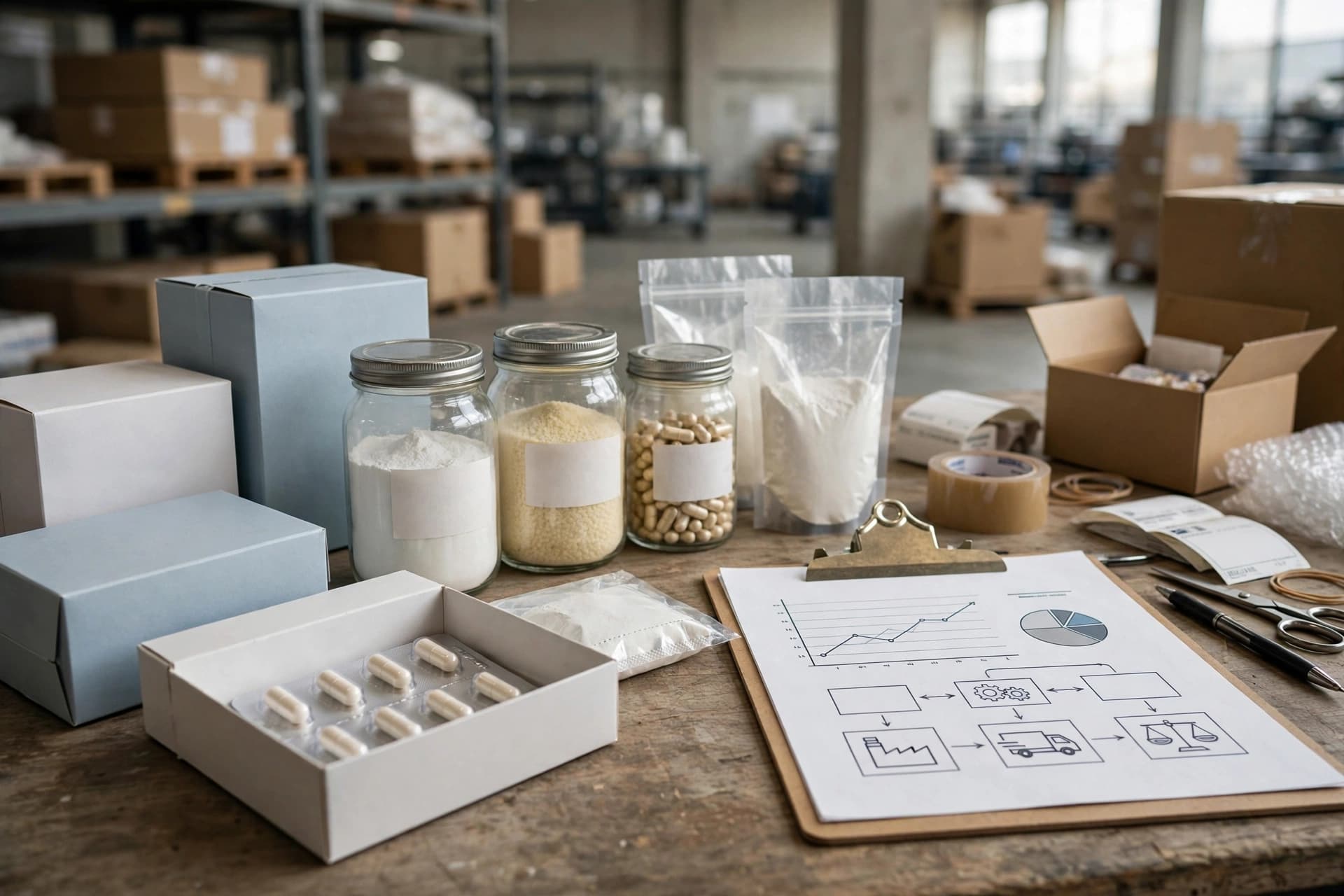
The illustrations are conceptual representations of pharmacy supply challenges and medicine affordability in Iran. They do not depict specific patients, actual pharmacy inventories, or a verified nationwide shortage of every medicine.
### Sources
• Al Jazeera
• Associated Press
• Business Standard
Published by Banx Network. This article is part of the Banx decentralized media programme, powered by the BXE token on the XRP Ledger.