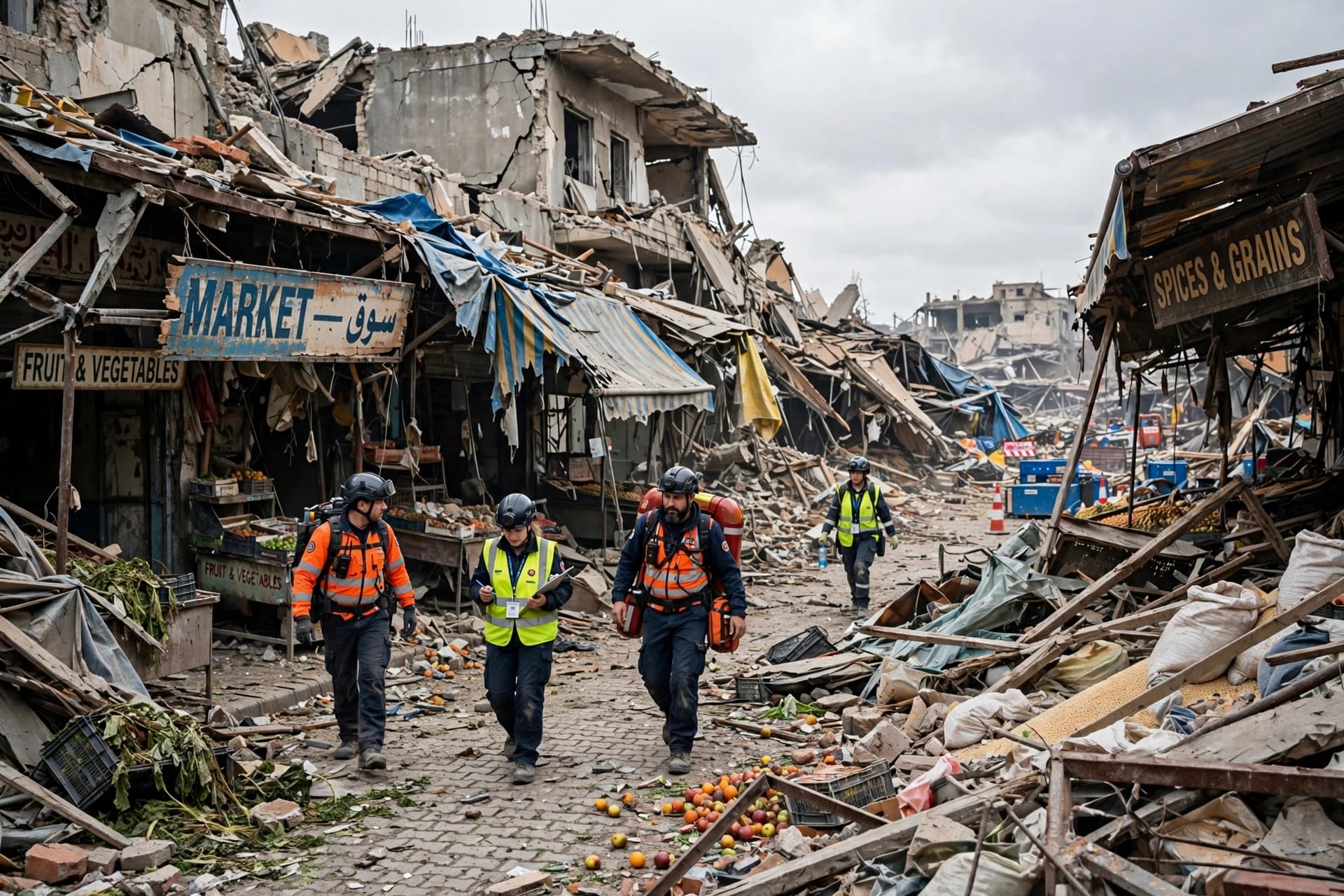
Markets are, by their nature, places of gathering—of hands exchanging goods, of voices haggling over prices, of ordinary life asserting itself against whatever larger forces may be at play. In Kyauktaw township, in Myanmar's western Rakhine state, Monday's market was such a place, at least until shortly after noon. When the aircraft came, the mundane rhythms of commerce became something else entirely.
The airstrike, carried out by Myanmar's military according to the Arakan Army, which controls the area, killed at least 33 people and wounded 36 others. A fighter jet dropped two bombs near the market around midday, striking both the commercial area and an adjacent bridge. Among the dead were vendors, shoppers, and pedestrians—people whose presence at the market was simply the ordinary business of a Monday.
Wai Hun Aung, a senior rescue official in Rakhine, confirmed the casualty figures to the Associated Press, describing the market as the region's main wholesale center, drawing traders from across the state. "This is one of the most severe airstrikes in Rakhine," he said. A witness, speaking on condition of anonymity for safety reasons, reported seeing more than 30 bodies at the scene, human remains visible among smoldering wreckage and cratered roads.
The military did not immediately comment on the attack. It has previously stated that it strikes only legitimate military targets and has accused resistance groups of terrorism. A government spokesperson did not respond to requests for comment, though the government has said in the past that the military "exercises maximum restraint to avoid civilian harm." The gap between such statements and the scenes described by witnesses and rescue workers has become a familiar pattern in Myanmar's civil war.
Rakhine state has been the site of intensifying conflict since the Arakan Army launched an offensive in November 2023, capturing a strategically important regional military headquarters and 14 of the state's 17 townships. The military has imposed severe restrictions on trade routes, worsening food shortages across the region. In December, a military airstrike on a hospital in Rakhine's Mrauk-U township killed at least 34 people and wounded 80 others. Monday's attack follows a pattern that has become, for many observers, a grimly familiar one.
The Arakan Army, the well-trained and well-armed military wing of a movement seeking autonomy for Rakhine's ethnic minority, has been fighting Myanmar's central government for years. But the broader conflict dates to February 2021, when the military seized power from the elected government of Aung San Suu Kyi, triggering widespread opposition and plunging large parts of the country into armed struggle. Since then, airstrikes have become a recurring feature of the military's response to resistance, often with civilians bearing the consequences.
Monday's strike was not independently verified as to the perpetrator, a common limitation in conflict zones where access is restricted. But the Arakan Army controls Kyauktaw, and the military is the only party in the conflict with aircraft capable of such strikes. Rescue workers and witnesses described scenes consistent with an aerial attack.
The market in Kyauktaw, like markets everywhere, was a place where the war and ordinary life intersected—where the violence that has consumed Myanmar for years briefly touched down on a Monday afternoon, leaving behind the dead, the wounded, and the question of what comes next in a conflict that has already taken so much.
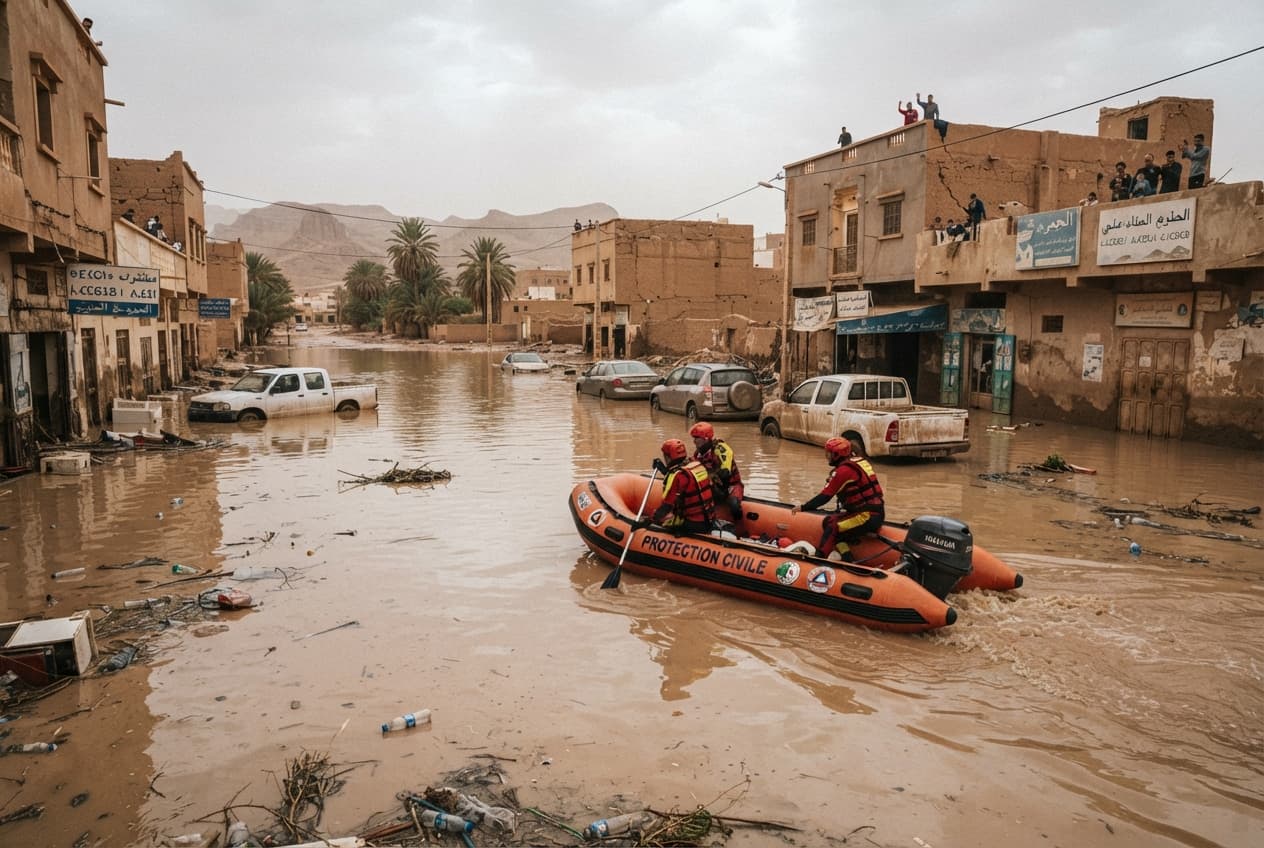
AI Image Disclaimer: The images associated with this report are AI-generated and do not depict actual persons or events.
Sources: Associated Press, CBC News, The Canadian Press, The Star, Bangladesh Sangbad Sangstha, NOS
Published by Banx Network. This article is part of the Banx decentralized media programme, powered by the BXE token on the XRP Ledger.