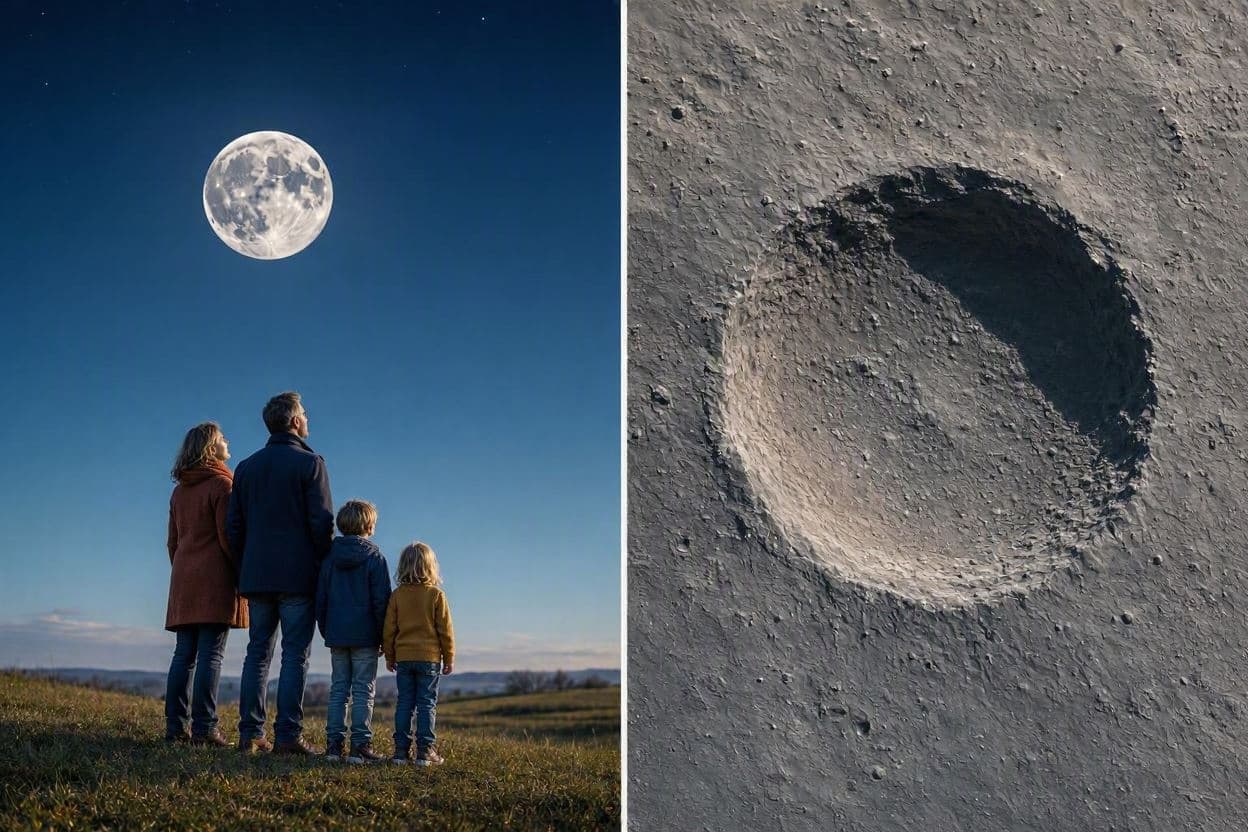
Light is the universe’s most patient messenger, traveling across the void for eons before it finally touches the sensors of our instruments. When the James Webb Space Telescope (JWST) captures an image, it is not merely taking a photograph; it is opening a window into the deep past. On July 21, 2026, the telescope offered humanity a glimpse of a galaxy as it existed 4.4 billion years ago, a moment when the cosmos was still young and vigorously forming its structures. This daily ritual of discovery reminds us of our small yet curious place in the vastness of space.
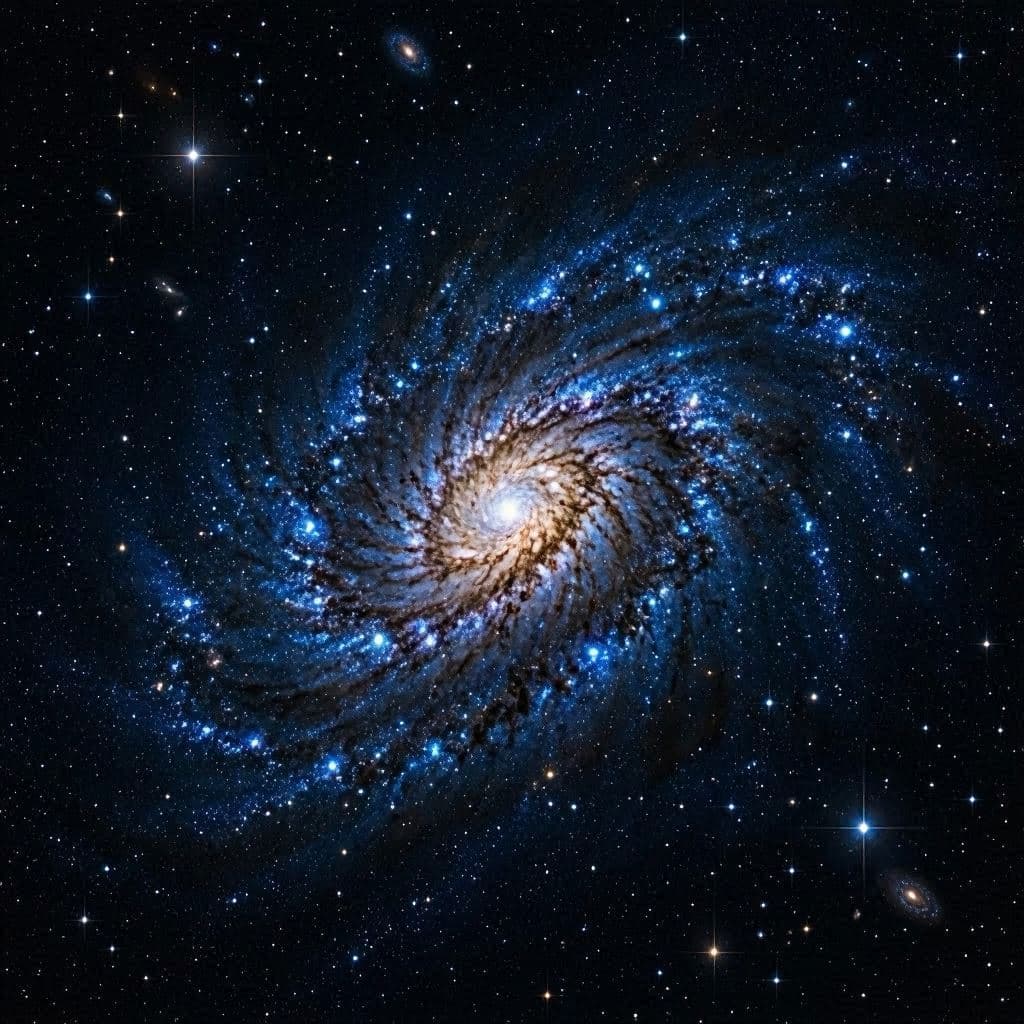
Body: The featured image highlights a distant galaxy cluster, whose light has been stretched by the expansion of the universe into the infrared spectrum. JWST’s advanced mirrors and detectors are uniquely suited to capture this faint glow, revealing details that were previously invisible to optical telescopes. The clarity of the image allows astronomers to study the formation of stars and the distribution of matter in an era long before our own solar system came into being.
Looking back 4.4 billion years places us in a time when the universe was roughly nine billion years old. It was a period of intense cosmic activity, where galaxies were merging and growing at a rapid pace. The telescope’s ability to peer through dust clouds provides a clearer view of these stellar nurseries, offering insights into the lifecycle of stars and the chemical enrichment of the interstellar medium.
For scientists, each image is a piece of a larger puzzle. By analyzing the spectral data from these ancient galaxies, researchers can determine their composition, age, and distance. This information helps refine models of cosmic evolution, allowing us to better understand how the universe transitioned from a hot, dense state to the structured expanse we observe today. The precision of JWST continues to challenge and confirm theoretical predictions.
The public engagement with such images serves a vital role in science communication. The "Space Photo of the Day" feature brings complex astronomical concepts into the daily lives of people around the world. It fosters a sense of wonder and connection to the cosmos, reminding us that the same physical laws governing distant galaxies also apply to our own planet. This shared experience of discovery unites humanity in curiosity.
Beyond the scientific data, there is an aesthetic beauty to these celestial portraits. The swirling arms of galaxies, the bright knots of star formation, and the subtle hues of gas and dust create visuals that are both scientifically valuable and artistically inspiring. They invite viewers to contemplate the scale of time and space, encouraging a reflective perspective on our own existence.
As the mission continues, JWST remains a testament to international collaboration and engineering excellence. Its ongoing observations promise to uncover more secrets of the early universe, from the first stars to the atmospheres of exoplanets. Each day brings new data, new questions, and new opportunities to expand our understanding of the cosmos.
Closing: The image released on July 21, 2026, is more than a scientific record; it is a invitation to look upward and backward. As we gaze at light that has traveled for billions of years, we are reminded of the enduring human desire to know our origins. The James Webb Space Telescope continues to be our eye on the past, helping us write the story of the universe.
AI Image Disclaimer: The visual representations in this article are AI-generated interpretations of deep-space imagery, designed to evoke the grandeur and mystery of astronomical observation.
Sources: NASA European Space Agency (ESA) Space.com Scientific American
Published by Banx Network. This article is part of the Banx decentralized media programme, powered by the BXE token on the XRP Ledger.