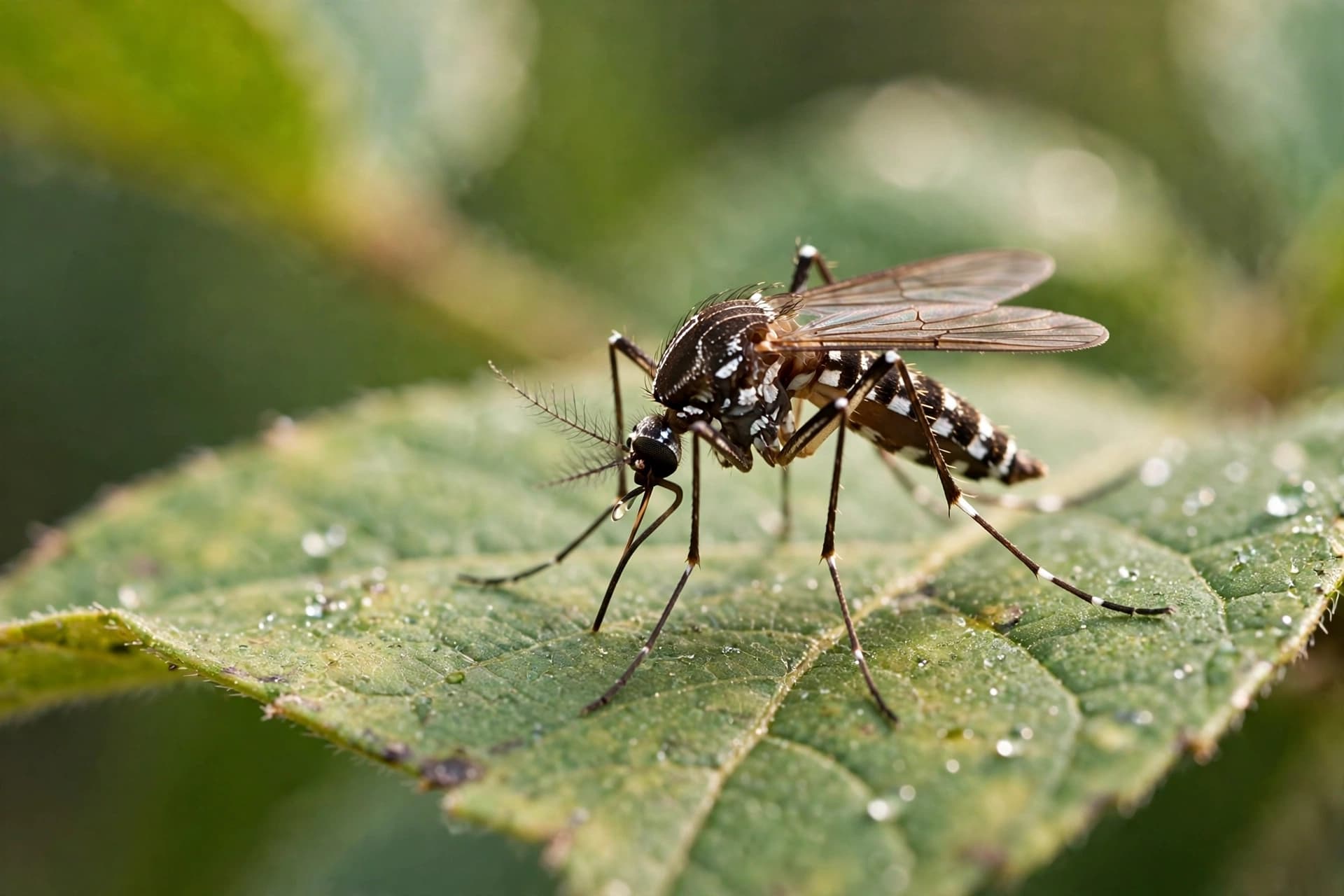
As the warm breezes of Florida carry the scent of salt and citrus, they also bring with them an invisible threat that has long plagued tropical regions. The recent confirmation of the state’s first dengue fever death of 2026, amidst a rising tide of cases, serves as a sobering reminder of the delicate balance between human habitation and the natural world. Dengue, a mosquito-borne viral illness, is no longer a distant concern but a present reality for many communities, urging us to reflect on the importance of public health vigilance and environmental stewardship.
The increase in cases, particularly in Hillsborough County and other parts of the state, highlights the challenges posed by changing climate patterns and urban expansion. As temperatures rise and rainfall becomes more unpredictable, the habitats for Aedes mosquitoes expand, creating ideal conditions for the spread of the virus. This situation invites a thoughtful consideration of how we adapt to these changes, balancing the enjoyment of outdoor life with the necessary precautions to protect our health.
Dengue fever is caused by one of four related viruses transmitted by the bite of an infected Aedes aegypti or Aedes albopictus mosquito. Symptoms can range from mild flu-like feelings to severe complications, including dengue hemorrhagic fever, which can be life-threatening. The recent death of an 80-year-old woman underscores the vulnerability of certain populations, particularly the elderly and those with underlying health conditions. It is a tragic loss that highlights the serious nature of the disease, even in areas with advanced medical care.
Health officials have reported over 1,000 cases in Florida this year, a significant number that reflects both local transmission and travel-associated infections. The rise in locally acquired cases suggests that the virus is establishing itself more firmly in the region, necessitating robust surveillance and response strategies. Public health departments are working tirelessly to monitor outbreaks, conduct mosquito control efforts, and educate the public on prevention methods.
Prevention remains the most effective tool against dengue. Residents are encouraged to eliminate standing water around their homes, use insect repellent, and wear protective clothing during peak mosquito hours. Community engagement is crucial, as collective action can significantly reduce mosquito breeding sites. Neighborhoods that work together to keep their environments clean and dry create a safer space for everyone, demonstrating the power of shared responsibility.
For travelers, awareness is key. Those visiting tropical regions should take extra precautions to avoid mosquito bites and seek medical attention if symptoms develop upon return. Early diagnosis and supportive care can prevent severe outcomes, making it essential for healthcare providers to remain vigilant. The integration of travel history into clinical assessments helps ensure that cases are identified and managed promptly.
The broader context of dengue’s spread is tied to global climate trends. Warmer temperatures and increased humidity favor mosquito survival and reproduction, extending the season and range of transmission. This reality calls for long-term strategies that address both immediate health concerns and underlying environmental factors. Sustainable urban planning and climate adaptation measures are vital components of a comprehensive approach to vector-borne diseases.
Research into vaccines and treatments continues to advance, offering hope for better control in the future. While no universally approved vaccine is widely available in the U.S., ongoing trials show promise. In the meantime, public education and vector control remain the primary defenses. By staying informed and proactive, communities can mitigate the risks and protect their most vulnerable members.
The rise in dengue cases in Florida is a call to action for residents, visitors, and policymakers alike. Through vigilance, cooperation, and respect for the environment, we can navigate this challenge with care and resilience. Let us prioritize health and safety, ensuring that our communities remain vibrant and secure in the face of evolving threats.
AI Image Disclaimer: Images used in this article are AI-generated illustrations intended to convey the theme of public health awareness without depicting real individuals or specific medical conditions.
Sources: Florida Department of Health CDC ABC News Fox News
Published by Banx Network. This article is part of the Banx decentralized media programme, powered by the BXE token on the XRP Ledger.