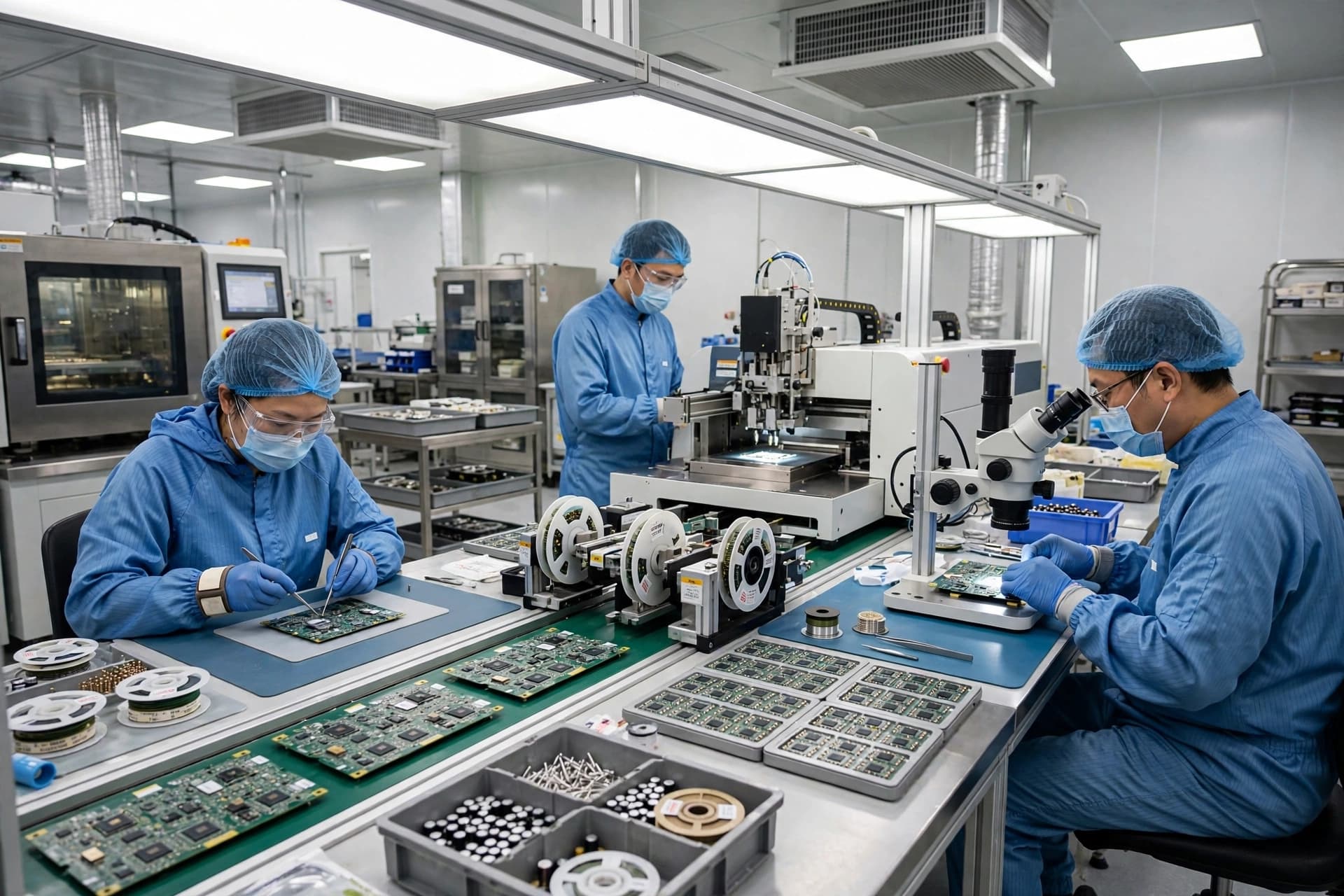
In the quiet hum of late winter, when the hush of early morning seems to linger even in the heart of bustling cities, there came news that stitched together two of the most audacious ventures of our time. It was as if two currents in a vast ocean — one reaching into the cosmos, the other probing the horizons of intelligence — had quietly converged. This week, Elon Musk’s space exploration company, SpaceX, announced it would merge with his artificial intelligence startup, xAI, in what some describe as a symbolic unification of terrestrial ambition and celestial curiosity.
For years, the story of SpaceX has been one of propulsion — rockets burning against gravity, a company propelled by dreams as much as by engineering. In contrast, xAI has been a tapestry of algorithms and neural networks, weaving strands of computation into a vision of machine understanding. The reported merger between these two domains feels, in metaphor, like the meeting of the sea and sky: one grounded in hardware and launchpads, the other in code and cognition.
The deal — valued at a historic $1.25 trillion by some financial observers — brings xAI’s flagship technologies, including its AI models and integrated social platform, under the same corporate roof as SpaceX’s rockets and satellites. The union is positioned by its architects as more than a simple business transaction; it is painted as a step toward redefining how humanity might harness both the reaches of space and the accelerating pace of artificial intelligence.
Behind the lofty figures and ambitious valuations, there are grounded practicalities. SpaceX is reportedly planning an initial public offering that could further elevate its financial standing, while xAI, like many AI startups, continues to burn capital in the race to scale computing power and innovation.
In an internal memo circulated to staff, leaders from xAI sought to reassure employees that the company’s identity and mission would remain intact even as it became part of the larger SpaceX enterprise. Plans for gatherings and trainings reflect an awareness that mergers are as much about people as they are about strategy.
Observers of the tech world have noted that the move further consolidates the sprawling web of companies Musk leads, an ecosystem informally dubbed by some as the “Muskonomy.” Within this constellation sit electric vehicles, tunneling ventures, brain-computer interfaces, and now, a merged AI-space giant.
Like many chapters in the evolving narrative of innovation, this merger invites both admiration and questions. What does it mean for competition in AI? How might governance and oversight adapt when one figure’s reach spans rockets and algorithms alike? These are not questions with simple answers, but they echo through the corridors of boardrooms and research labs.
For now, the immediate story is one of alignment: hardware with software, orbiting ambitions with digital cognition, and a single enterprise poised to straddle the firmament of space and the abstract terrain of artificial intelligence. In the measured language of press releases and financial reporting, it was presented simply as a merger. But in the quiet mosaic of modern enterprise, it feels like a gesture toward uncharted harmonies.
In the coming months, as regulatory reviews and future planning proceed, the world will watch how this combined entity navigates markets, innovation challenges, and the profound questions that lie at the intersection of humanity’s physical and digital frontiers.
AI Image Disclaimer
“Illustrations were produced with AI and serve as conceptual depictions.”
Source Check There are credible mainstream sources reporting that Elon Musk’s aerospace company SpaceX has merged with or acquired his AI startup xAI. Major outlets like Reuters, Forbes, CNN/finance news aggregators, and Channel News Asia have covered this development.
5 credible media names (no URLs):
Reuters Forbes CNN / Yahoo Finance (aggregate) Channel News Asia El País Since strong sources exist, we can proceed with the article.
Published by Banx Network. This article is part of the Banx decentralized media programme, powered by the BXE token on the XRP Ledger.