Water is often seen as a source of life, nurturing the lands it touches and sustaining communities through drought and heat. Yet, when the skies open with unrelenting fury, that same element can become an agent of profound destruction. In the border regions of Nepal and China, recent catastrophic flooding has left a trail of devastation that defies easy comprehension. With more than 1,000 lives lost, the tragedy serves as a somber reminder of nature’s raw power and the fragility of human settlement in the face of extreme weather.
The floods were triggered by intense monsoon rains that overwhelmed river systems and destabilized mountainous terrain. Landslides, common in these steep regions, compounded the disaster, burying villages and blocking critical supply routes. For residents, the sudden surge of water and mud offered little time to escape, turning familiar landscapes into scenes of chaos and loss. The scale of the devastation has overwhelmed local resources, requiring immediate international attention and aid.
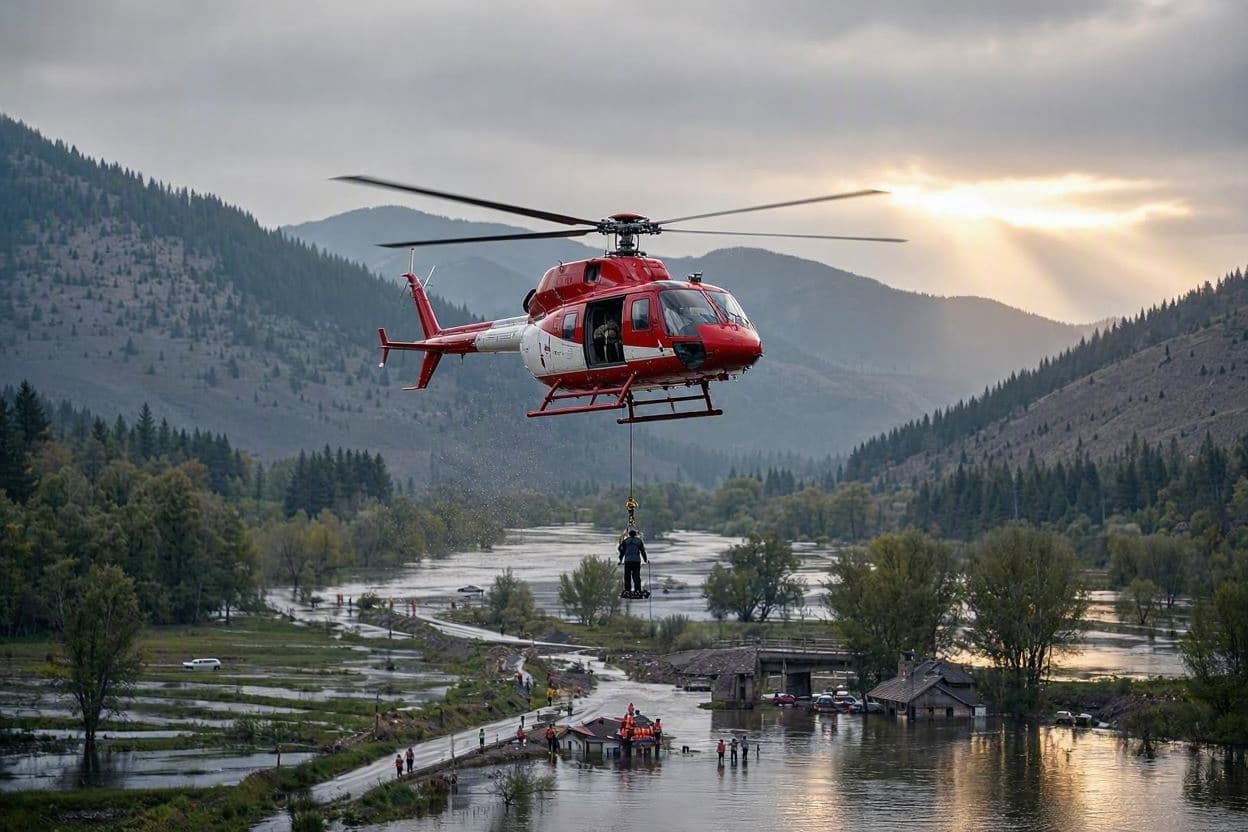
Rescue teams are working tirelessly against the clock, navigating treacherous conditions to find survivors trapped under debris or isolated by rising waters. Helicopters hover over remote valleys, dropping supplies and evacuating the injured, while ground crews dig through mud with bare hands and simple tools. Their efforts are driven by hope, however slim, that someone may still be alive beneath the rubble. Each rescue is a victory; each silence, a heartbreak.
The humanitarian response has mobilized quickly, with neighboring countries and global organizations sending emergency relief. Food, clean water, medical supplies, and temporary shelter are being distributed to those who have lost everything. Yet, the logistical challenges are immense. Damaged roads and bridges make access difficult, delaying the arrival of heavy machinery and essential goods to the most affected areas.
Beyond the immediate loss of life, the economic impact on these rural communities is severe. Agriculture, the backbone of local livelihoods, has been wiped out in many districts. Fields are submerged, livestock lost, and seeds destroyed. For families who rely on the harvest for survival, the flood represents not just a current crisis but a threat to their future stability and food security.
Climate scientists point to changing weather patterns as a contributing factor to the intensity of such events. Warmer temperatures can hold more moisture, leading to heavier rainfall and more frequent extreme weather incidents. While monsoons are a natural part of the region’s climate, the increasing severity suggests a need for better adaptation strategies, including improved infrastructure and early warning systems.
The psychological toll on survivors is profound. Many have lost family members, homes, and cherished possessions in a matter of hours. Community leaders and mental health professionals are beginning to address the trauma, offering support groups and counseling services. Healing will take time, and the scars of this event will remain visible in the landscape and in the hearts of the people for years to come.
As the waters recede, the focus will shift from rescue to recovery. Rebuilding homes, restoring infrastructure, and revitalizing agriculture will require sustained effort and investment. The resilience of the affected communities will be tested, but history shows that they possess a deep strength born of necessity and mutual support.
The catastrophic floods in Nepal and China have claimed over 1,000 lives, leaving a path of destruction and grief. As rescue operations continue, the international community rallies to provide aid and support. The disaster underscores the urgent need for climate adaptation and disaster preparedness in vulnerable regions.
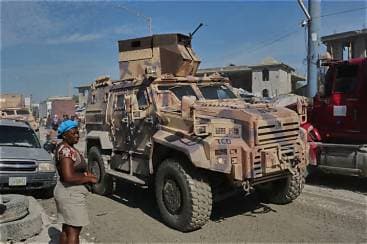
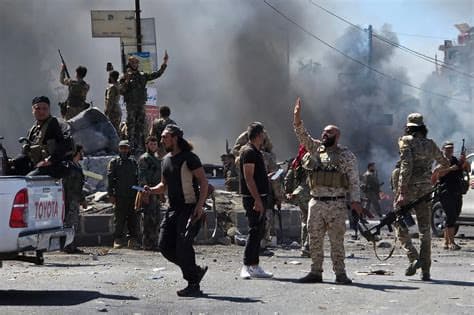
AI Image Disclaimer: The visual representations accompanying this article are AI-generated interpretations designed to symbolize the aftermath of natural disasters and humanitarian aid, using respectful and abstract imagery of rescue efforts and landscape recovery.
Sources: Reuters Al Jazeera
Published by Banx Network. This article is part of the Banx decentralized media programme, powered by the BXE token on the XRP Ledger.