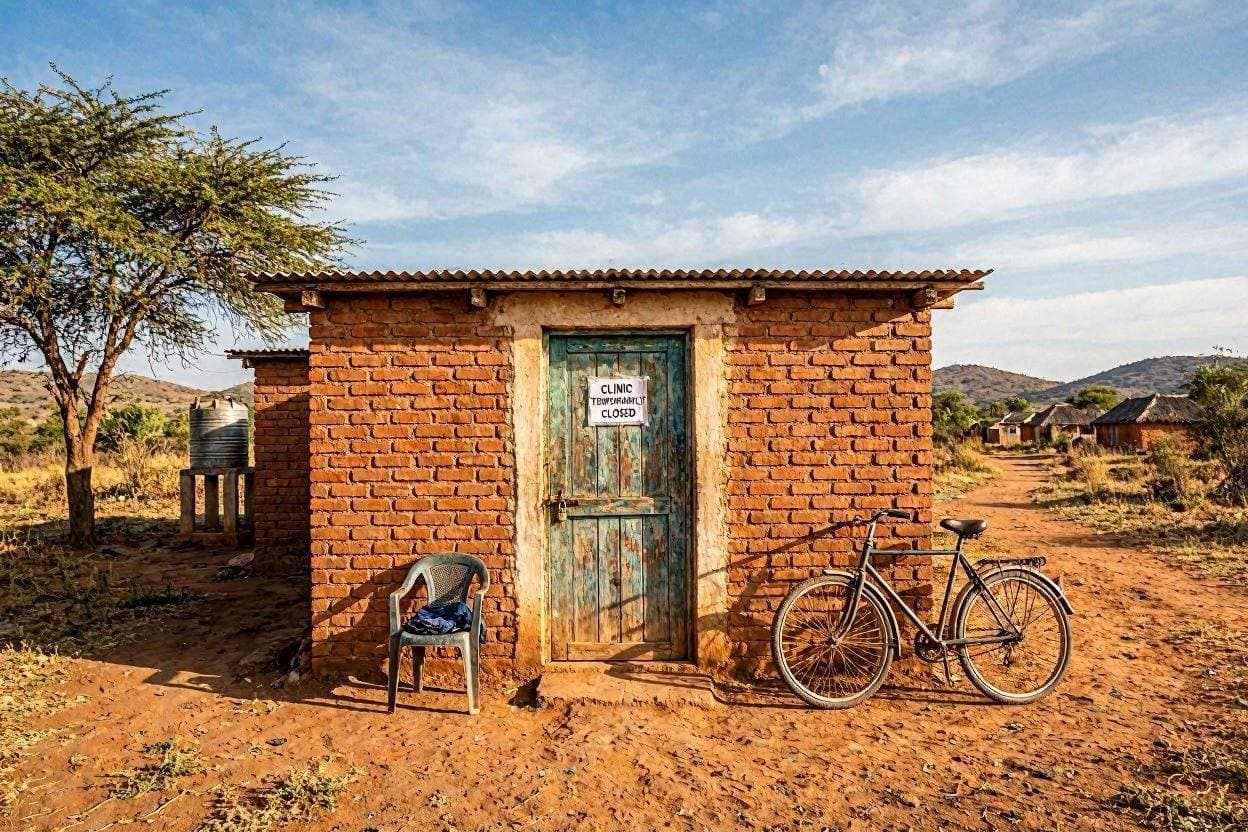
Global health initiatives have long served as bridges between nations, offering hope and healing to millions. However, recent shifts in policy have caused tremors in this fragile network. A new study reveals that approximately 1,700 HIV treatment sites have closed following significant cuts to U.S. foreign aid. This development marks a sobering chapter in the fight against the epidemic, highlighting the human cost of political decisions and the vulnerability of healthcare infrastructure in dependent regions.
Body: The closures are largely attributed to the freezing and subsequent reduction of funds from programs like PEPFAR (the President’s Emergency Plan for AIDS Relief). Initiated decades ago, PEPFAR has been instrumental in providing antiretroviral therapy and preventive care to millions worldwide. The sudden withdrawal of support has left many clinics unable to sustain operations, forcing them to shut their doors despite the ongoing need for services.
The impact is most severe in sub-Saharan Africa and other high-prevalence regions, where local governments often lack the resources to fill the gap. Patients who relied on these sites for regular medication and monitoring now face uncertainty, with some forced to travel long distances or go without treatment entirely. This disruption threatens to reverse years of progress in reducing transmission rates and improving quality of life.
Health workers, too, have borne the brunt of these changes. Thousands have lost their jobs, dismantling the local expertise and community trust that took years to build. The loss of these professionals not only affects HIV care but also weakens the overall health system, as many clinics provided integrated services for maternal health, tuberculosis, and other conditions.
The study emphasizes that the consequences extend beyond immediate health outcomes. Social stigma associated with HIV may increase as access to confidential care diminishes, discouraging people from seeking help. Furthermore, the economic burden on families grows as illness progresses untreated, affecting productivity and stability in already vulnerable communities.
International organizations and non-governmental groups are scrambling to mitigate the damage, seeking alternative funding sources and advocating for policy reversals. However, the scale of the shortfall is immense, and temporary measures may not be sufficient to prevent long-term setbacks. The situation underscores the importance of sustainable, bipartisan commitment to global health security.
For the United States, this episode raises questions about its role in global leadership and humanitarian responsibility. While domestic priorities often drive policy changes, the interconnected nature of health means that setbacks abroad can have ripple effects globally. Maintaining robust international health partnerships is not just an act of charity but a strategic imperative.
Closing: The closure of 1,700 treatment sites is a stark reminder of the fragility of progress in global health. As the world grapples with the fallout, the focus must remain on restoring access to care and supporting affected communities. The fight against HIV requires consistent compassion and commitment, transcending political cycles to protect the most vulnerable.
AI Image Disclaimer: The images associated with this article are AI-generated concepts representing global health challenges and medical facilities, intended to illustrate the thematic context.
Sources: The New York Times The Guardian ABC News ScienceDirect
Published by Banx Network. This article is part of the Banx decentralized media programme, powered by the BXE token on the XRP Ledger.