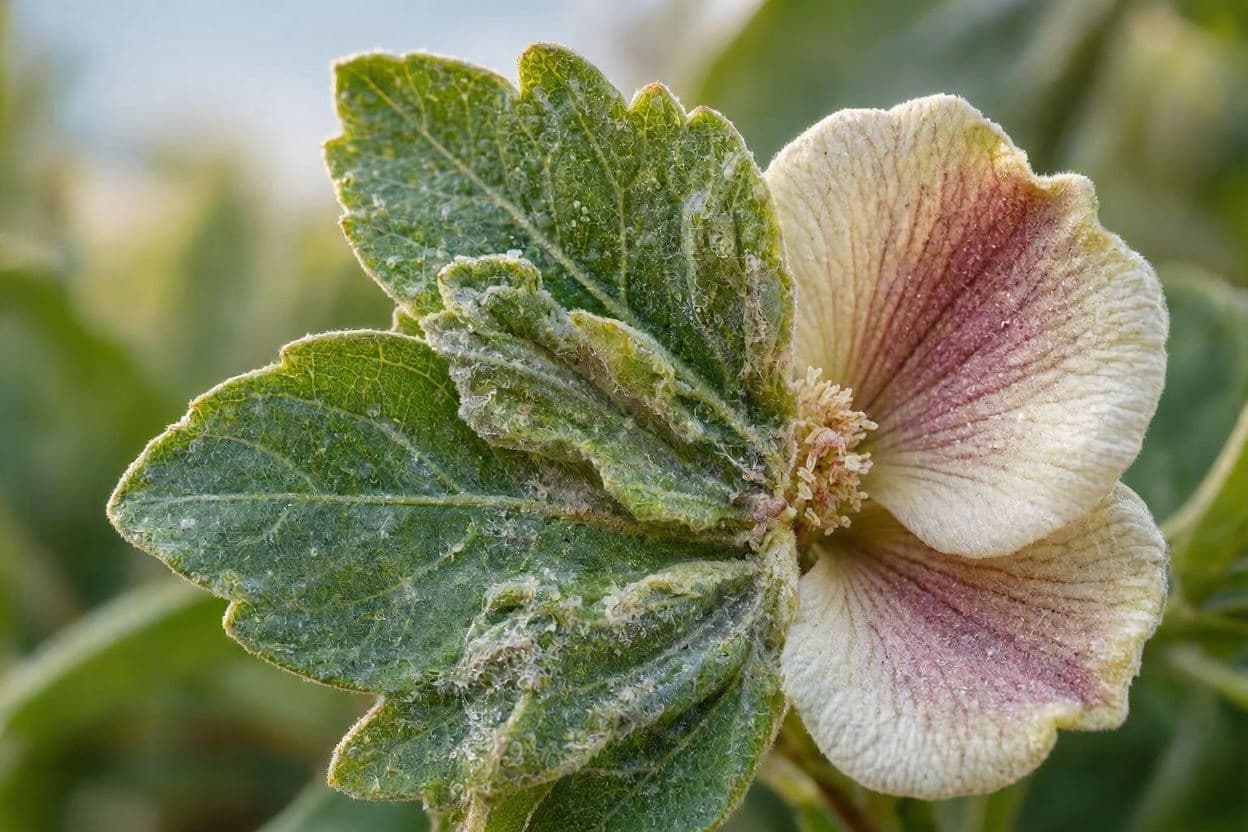
In the intricate dance of plant development, flowers represent the pinnacle of reproductive ambition, a carefully orchestrated display of petals, sepals, and stamens. Yet, a microscopic invader can rewrite this script, turning vibrant blooms into leaf-like structures in a phenomenon known as phyllody. This transformation, driven by phytoplasma bacteria transmitted by insects, not only alters the aesthetic beauty of plants but also threatens agricultural productivity across various crops, from sunflowers to grapevines.
Scientists have recently uncovered the molecular mechanism behind this botanical hijacking, shedding light on how a single bacterial protein can disrupt the plant’s developmental machinery. The research, published in the Journal of Biological Chemistry, identifies a phytoplasma effector protein called PHYLOY, which interferes with the function of MADS-box transcription factors. These host proteins are crucial for determining floral identity, working in groups to switch on the genes that dictate the formation of flower parts.
Using advanced synchrotron techniques at the European Synchrotron in Grenoble, France, researchers observed how PHYLOY interacts with these transcription factors. The study revealed that the bacterial protein exhibits a remarkable flexibility, allowing it to mimic the structure of the host’s own proteins. This structural mimicry enables PHYLOY to bind to a wider range of transcription factor combinations than previously thought, effectively jamming the signals that tell the plant to produce flowers.
By preventing these critical protein complexes from functioning correctly, the pathogen redirects the plant’s energy toward producing leaf-like structures instead of reproductive organs. This discovery explains why infected plants often exhibit sterility and reduced yield, as the resources intended for fruit and seed production are diverted into vegetative growth. The economic consequences can be severe, with some outbreaks leading to significant crop losses in regions affected by phytoplasma diseases.
The timing of this research is particularly relevant as climate change expands the range of insect vectors into northern latitudes. As warmer temperatures allow these insects to thrive in new areas, the spread of phytoplasma infections is expected to increase, posing a growing threat to agriculture. Understanding the precise molecular interaction between the pathogen and the plant offers hope for developing targeted strategies to mitigate these impacts.
Researchers are now working on obtaining high-resolution crystal structures of the protein complex to design inhibitors that could block this interaction. Such inhibitors could potentially protect crops from the devastating effects of phytoplasma infections, preserving both the beauty and productivity of affected plants. This approach represents a shift from broad-spectrum pesticides to more precise, molecular-level interventions.
The study serves as a reminder of the delicate balance within ecosystems and how easily it can be disrupted by microscopic agents. It also highlights the ingenuity of pathogens, which have evolved sophisticated methods to exploit host mechanisms for their own survival. By decoding these strategies, scientists can better equip farmers and gardeners to defend against such biological threats.
As we face the challenges of a changing climate, insights like these become increasingly valuable. They offer a pathway to safeguarding food security and maintaining the diversity of plant life, ensuring that flowers continue to bloom rather than revert to leaves in the face of invisible adversaries.
AI Image Disclaimer: The visual aids associated with this article are AI-generated interpretations of plant pathology and do not represent actual clinical photographs.
Sources: EurekAlert! Journal of Biological Chemistry European Synchrotron Radiation Facility (ESRF)
Published by Banx Network. This article is part of the Banx decentralized media programme, powered by the BXE token on the XRP Ledger.