A new company often begins quietly: a few people around a table, an unfinished product, and the belief that a familiar problem can be approached differently. Across Germany, thousands of teams have taken that first step this year, contributing to a record period for startup creation. The numbers suggest a growing appetite for entrepreneurship, even as the wider economy continues to face pressure.
According to data reported by Germany Trade & Invest and the German Startup Association, 3,053 new technology startups were founded in the country between January and June 2026. That was a 52% increase compared with the second half of 2025 and more than the number recorded in the whole of 2024. The first-half total marked a new high for the period measured.
Artificial intelligence played a central role in the expansion. More than one-third of the new companies—1,038 in total—were involved in AI, according to the figures cited by Germany Trade & Invest. Software remained the largest individual sub-sector, with 844 new companies. The figures show how digital tools are influencing the kinds of businesses founders are choosing to build.
AI may be lowering some of the barriers to getting started. Founders can use existing models and software tools to create early versions of products, automate portions of their work, and test whether customers are interested before investing heavily in infrastructure. This does not remove the difficulty of building a sustainable business, but it can change how quickly an idea moves from concept to first trial.
The environment around these new companies also matters. Germany has a long-established base of manufacturers, engineering firms, mobility companies, and energy businesses. Startups working on industrial software or AI-assisted services may find opportunities by helping these organizations address practical needs, from improving workflows to making better use of operational data. The relationship between young technology firms and established companies could become an important source of growth.
Yet the startup boom is unfolding against a mixed economic backdrop. Germany's traditional industrial sector has faced structural challenges, and some workers have had to reconsider career plans as companies adjust to changing conditions. For some, founding a business may represent an opportunity to use their experience in a new way. For others, the same environment may make the risks of entrepreneurship more difficult to manage.
A record number of new companies does not necessarily translate into an equivalent number of lasting successes. Early ventures must find customers, compete for skilled workers, and secure enough financing to keep operating. Many will need to refine their products repeatedly before discovering a sustainable market. Some will grow into established firms, while others may close or be absorbed by competitors.
The availability of capital is therefore an important part of the story. A startup ecosystem needs more than ideas and technical ability: it also requires investors prepared to support companies through uncertain early stages and into larger markets. Germany's challenge is to help promising businesses remain competitive as they grow, rather than allowing successful ideas to migrate elsewhere in search of funding or customers.
Public policy may influence that process. German authorities have promoted measures intended to make it easier to establish and expand startups, including efforts to reduce bureaucracy and encourage investment. The practical effects will depend on whether founders encounter simpler procedures, more accessible funding, and stronger connections with potential customers.
For now, the first-half figures provide a useful snapshot of a changing business landscape. Germany has not resolved every problem facing its established industries, and the future of the new companies remains uncertain. But the record number of startups suggests that many founders see room for experimentation and growth. Their longer-term significance will depend on what they build, whom they serve, and whether their ideas can develop into durable businesses.
### AI Image Disclaimer
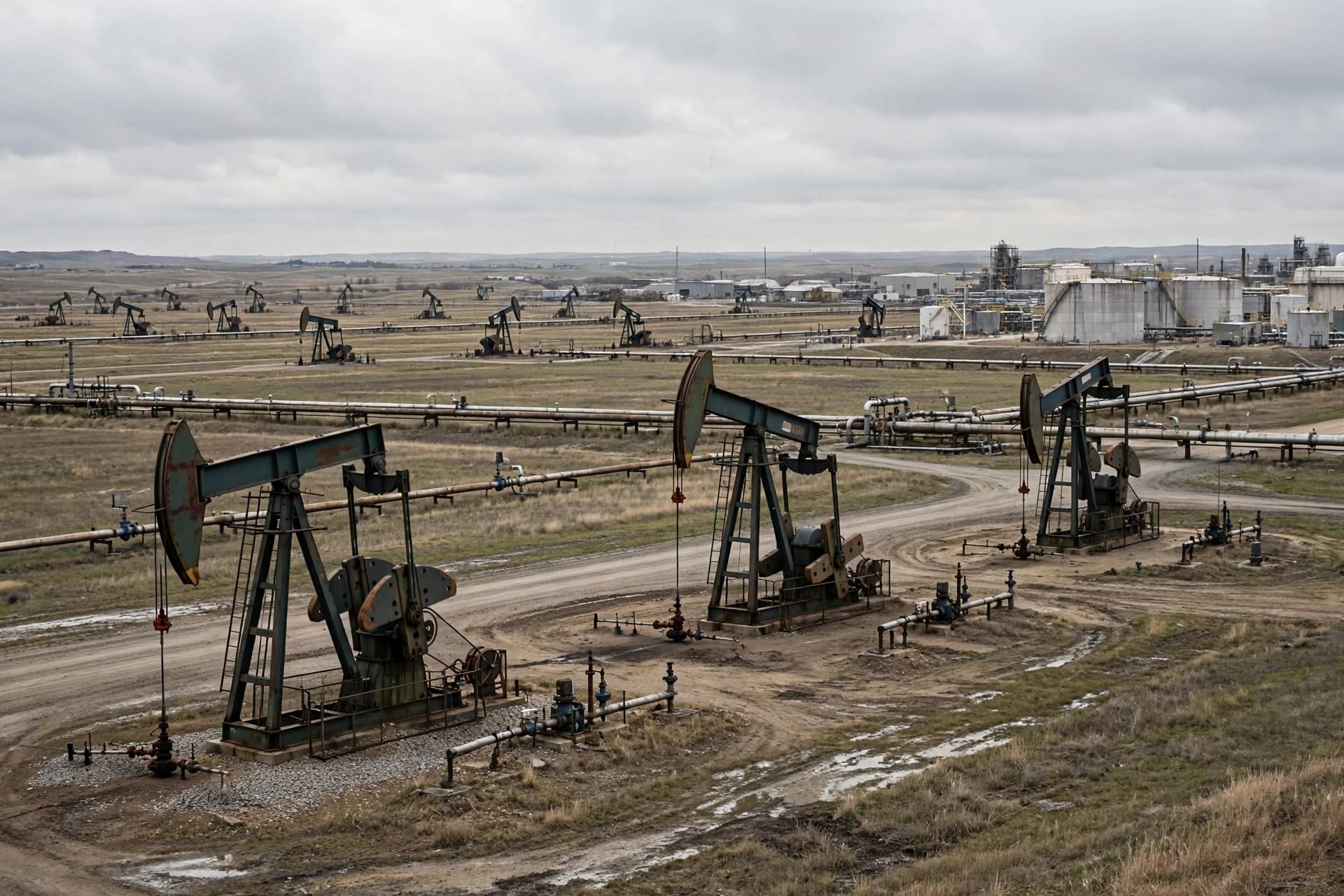
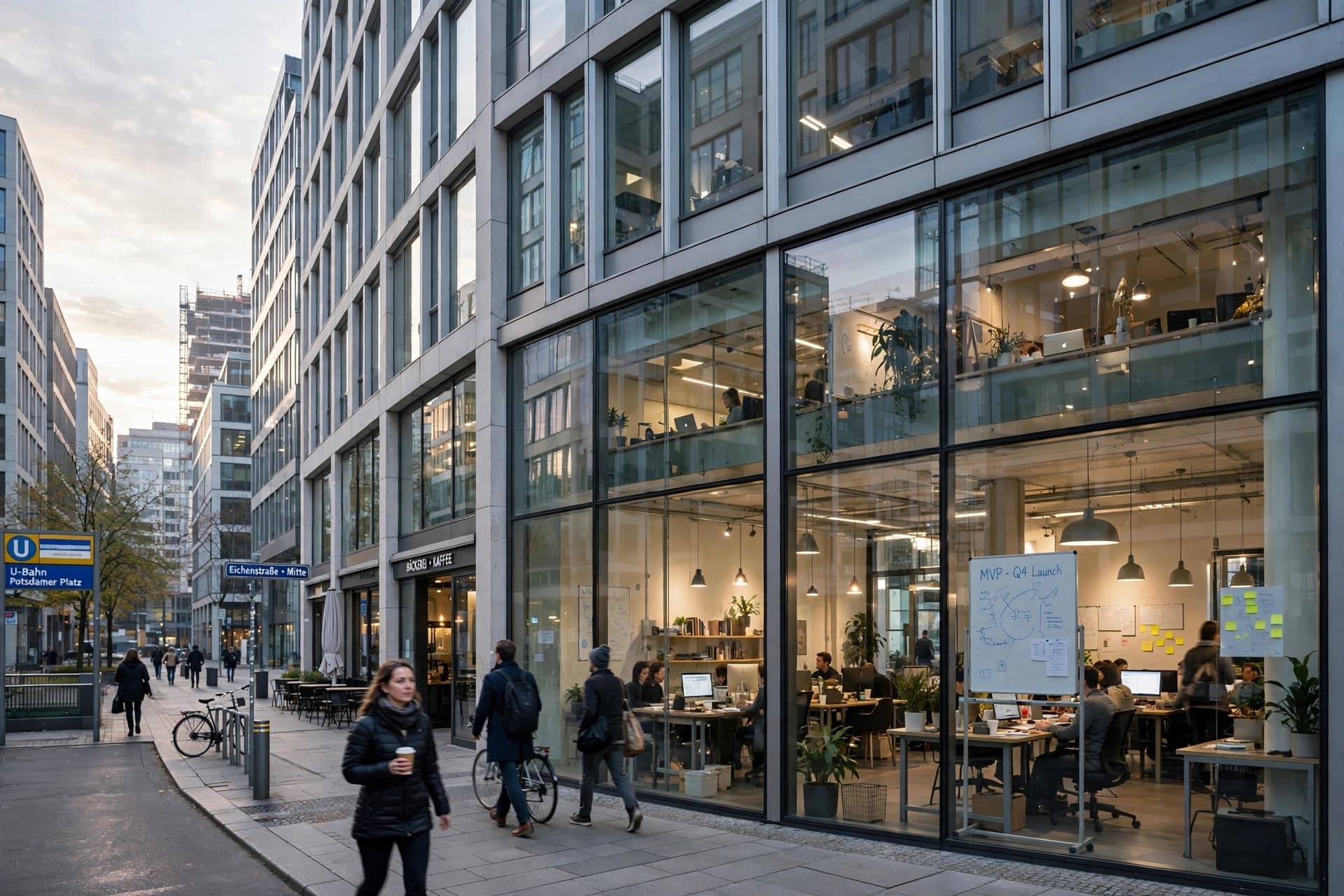
These AI-generated illustrations represent the general setting of startup creation and technology entrepreneurship in Germany; they are not documentary images of the reported companies or statistics.
### Sources
Germany Trade & Invest German Startup Association Startupdetector Reuters Tagesschau
Published by Banx Network. This article is part of the Banx decentralized media programme, powered by the BXE token on the XRP Ledger.