Malaysia's trade with the Association of Southeast Asian Nations rose 40.7% year on year to RM89.31 billion in August 2026, according to the Malaysia External Trade Development Corporation, or MATRADE. Exports to the region increased 40.2% to RM52.44 billion, while imports from ASEAN reached RM36.87 billion.
The performance was supported by exports of electrical and electronic products, machinery, equipment, and parts. These categories are important to manufacturing networks that rely on components moving between countries before final assembly. Their growth suggests that regional demand and industrial connections continued to support Malaysia's export activity during the month.
Singapore remained Malaysia's largest ASEAN export destination in August, with shipments valued at RM30.74 billion, up 58.5% from a year earlier. Exports to Thailand reached RM7.29 billion, an increase of 33.2%, while shipments to Indonesia totalled RM4.75 billion, up 11.5%. The figures show how trade growth was distributed across several neighbouring markets rather than concentrated in a single destination.
For manufacturers, proximity can be a practical advantage. Businesses operating in neighbouring countries may be able to coordinate delivery schedules, maintain closer relationships with suppliers, and respond more quickly when production requirements change. Shared transport links and established commercial networks can also help reduce the time required to move components between factories.
However, rising trade values do not tell the entire story. The cost of producing goods, currency movements, energy prices, and global customer demand can all influence the value of exports. A strong month may reflect higher volumes, higher prices, or a combination of both. Businesses therefore need to look beyond headline figures to understand whether the increase reflects a durable improvement in competitiveness.
Malaysia's performance also comes amid changes in the global technology industry. Demand for advanced computing, electronics, and data-centre infrastructure can create opportunities for suppliers of chips, components, and related equipment. Yet such demand can fluctuate as companies adjust investment plans, manage inventories, and assess the financial returns from new technology.
For smaller exporters, participating in regional supply chains can open new markets but also bring challenges. Companies may need to meet technical standards, deliver consistent quality, manage documentation, and maintain reliable production schedules. Access to financing and skilled workers can also influence whether smaller businesses are able to benefit from expanding trade.
The figures highlight the importance of infrastructure and trade facilitation. Efficient ports, dependable electricity, clear customs procedures, and predictable transport services help goods move between suppliers and customers. When those systems work well, manufacturers can coordinate production across borders more effectively and reduce avoidable delays.
Malaysia's August performance is therefore best understood as part of a wider regional story. Southeast Asia's manufacturing strength depends on connections between countries, industries, and businesses of different sizes. Maintaining that momentum will require continued investment, adaptable companies, and a global market willing to absorb the goods produced across the region.
### AI Image Disclaimer
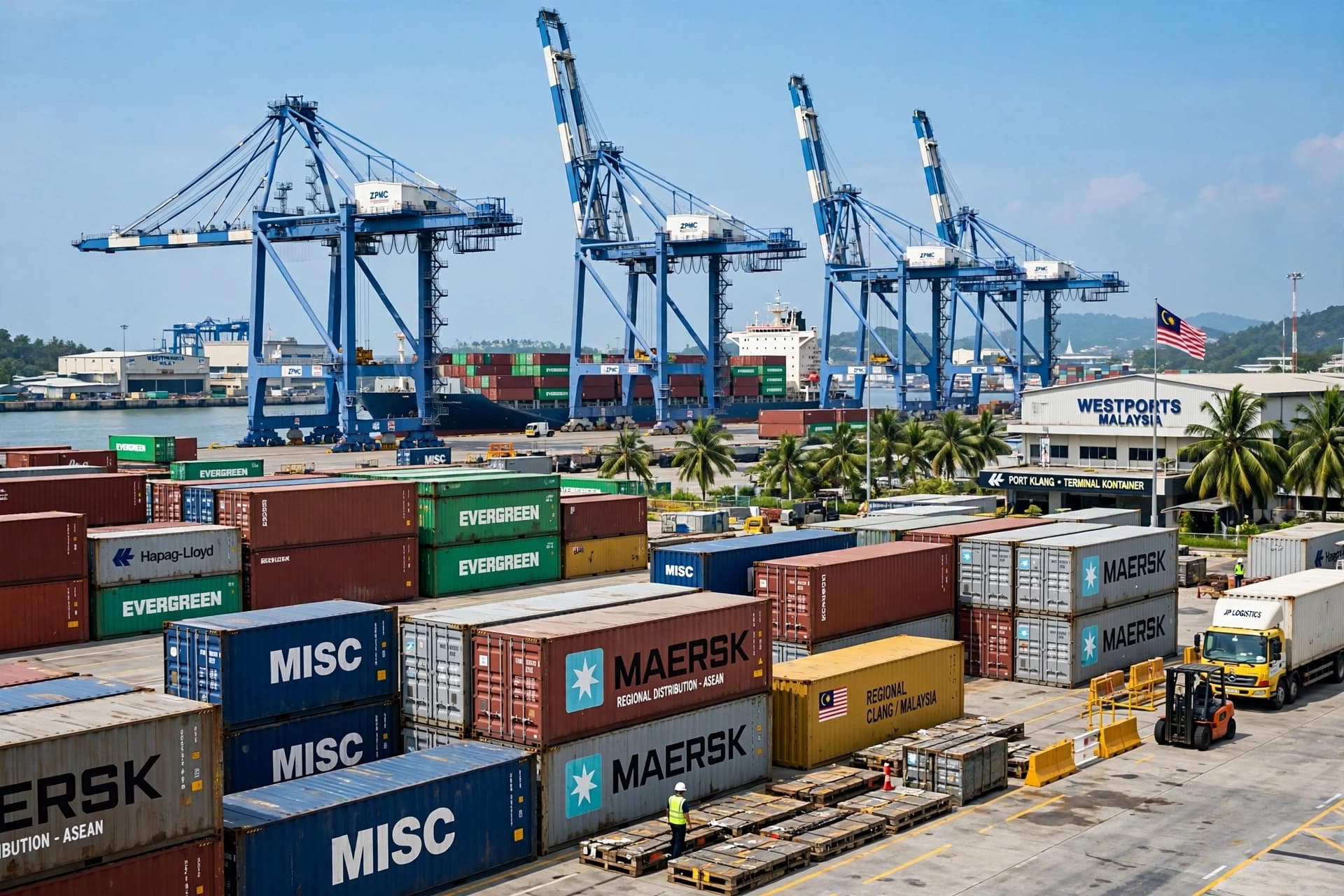
These AI-generated illustrations depict general Malaysian export activity and Southeast Asian manufacturing networks. They are not photographs of specific shipments or actual facilities mentioned in the trade report.
### Sources
Malaysia External Trade Development Corporation (MATRADE) Ministry of Investment, Trade and Industry Malaysia Department of Statistics Malaysia Reuters
Published by Banx Network. This article is part of the Banx decentralized media programme, powered by the BXE token on the XRP Ledger.