Singapore has been testing AI agents to better understand how autonomous systems might be deployed safely. The work reflects a practical challenge facing public institutions: how to evaluate technology that can take actions, not merely generate text.
An AI agent may be asked to gather information, organize documents, compare records or complete a multistep digital workflow. Depending on its design and permissions, it may interact with software tools and proceed through several stages without requiring a person to approve every individual action.
Such capabilities could eventually help public agencies handle repetitive administrative work. Staff might spend less time transferring information between systems and more time dealing with cases that require judgment, communication or specialized knowledge.
However, the same autonomy creates new risks. An agent can misunderstand a request, use incomplete information or take an unintended action if its instructions and safeguards are inadequate. Errors may become more consequential when a system can modify records, send messages or trigger other processes.
Testing is therefore essential. Agencies need to examine how agents respond to ambiguous instructions, unexpected inputs and attempts to manipulate their behavior. They also need to establish clear limits on what an agent can access or change.
Human oversight remains a central consideration. For low-risk tasks, an agent may be allowed to operate with limited supervision. Decisions involving personal information, public services or significant consequences may require additional review and explicit approval.
Security is another concern. Agents that can use tools or access connected systems may create new routes through which sensitive information could be exposed. Access controls, audit logs and carefully defined permissions can help reduce those risks.
The experiments also offer a way to distinguish impressive demonstrations from dependable performance. A system that succeeds in a controlled example may behave differently when confronted with messy records, unusual requests or conflicting information.
For Singapore, learning from these trials can help public institutions establish practical expectations before autonomous systems become more widely used. The objective is not simply to introduce more automation, but to understand which tasks can be delegated responsibly and where human judgment remains necessary.
The development of AI agents is likely to continue, but trust will depend on more than technical capability. Clear accountability, measurable reliability and meaningful human control will determine whether these systems can become useful parts of everyday government operations.
AI Image Disclaimer
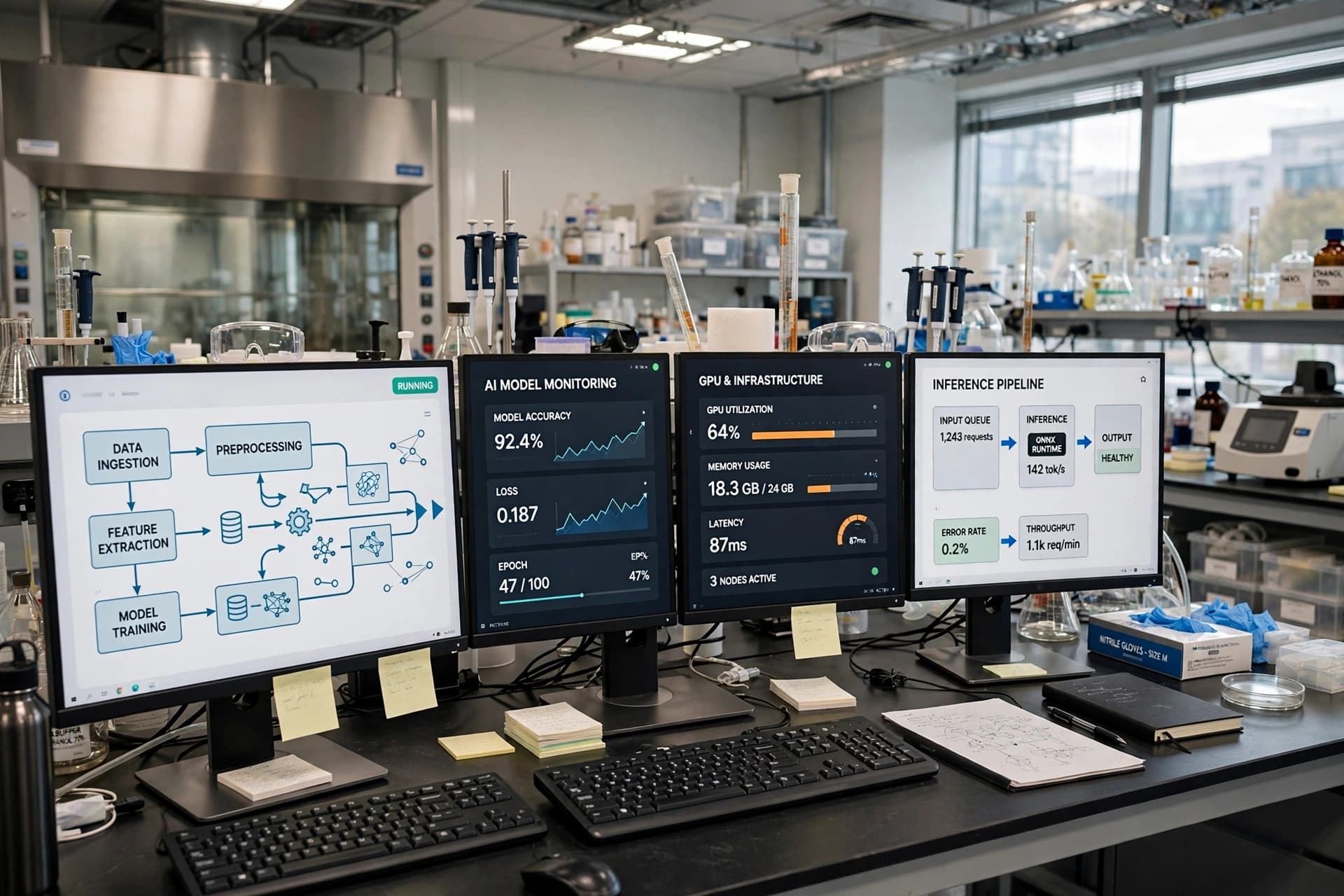
This AI-generated illustration depicts a hypothetical AI testing environment and does not show an actual Singapore government trial or specific software product.
Sources
CNA The Business Times Smart Nation Singapore Infocomm Media Development Authority
Published by Banx Network. This article is part of the Banx decentralized media programme, powered by the BXE token on the XRP Ledger.