Chinese brands accounted for 10% of car and light commercial vehicle sales in Argentina in August 2026, according to Reuters, compared with approximately 2% at the end of the previous year. The increase followed a period of expanding imports and a more open market for foreign vehicles. It represents a notable shift in a country where automotive protection measures have historically limited some imported competition.
One important factor is a policy allowing up to 50,000 electric and hybrid vehicles to enter Argentina without import tariffs during 2026, subject to the program's rules. The measure has created an opportunity for manufacturers offering electrified vehicles at competitive prices. Chinese companies, which have developed a wide range of electric and hybrid models, have been among those benefiting from the change.
The expanding presence was visible at Buenos Aires' first Chinese auto show, held in October. More than 20 brands were represented, including BYD, Geely, Chery, Great Wall Motor, and Dongfeng. The event provided a setting for buyers and industry observers to compare products from companies whose presence in Argentina had previously been more limited than in some other Latin American markets.
BYD offers a clear example of the speed of the change. After entering Argentina in late 2025, the electric-vehicle maker had become the country's ninth best-selling automotive brand by the time of Reuters' October report. Its growth illustrates how quickly a new entrant can gain visibility when product availability, pricing, and consumer interest move in the same direction.
For consumers, the appeal may extend beyond the vehicles' country of origin. Buyers are comparing affordability, fuel efficiency, equipment, safety features, and the costs of keeping a vehicle on the road. Some are interested in electric power for everyday driving, while others may prefer hybrids that combine an electric motor with a combustion engine. Different households will make different calculations depending on driving habits, charging access, and purchase budgets.
However, a rise in imported vehicles also raises questions for Argentina's domestic automotive industry. Local manufacturers and suppliers must compete in a market where imported models may offer different prices or technology. Reuters reported that the country's car industry was facing a difficult period, with production and sales under pressure. The increase in Chinese competition could encourage modernization, but it may also place additional strain on companies already dealing with weaker demand.
The shift is also linked to Argentina's broader economic choices. Reducing barriers to imports can widen consumer choice and put pressure on manufacturers to compete. At the same time, the effects depend on how import rules are designed, how much local production is supported, and whether buyers have the purchasing power to sustain demand. A more open market does not automatically produce a stronger domestic industrial base.
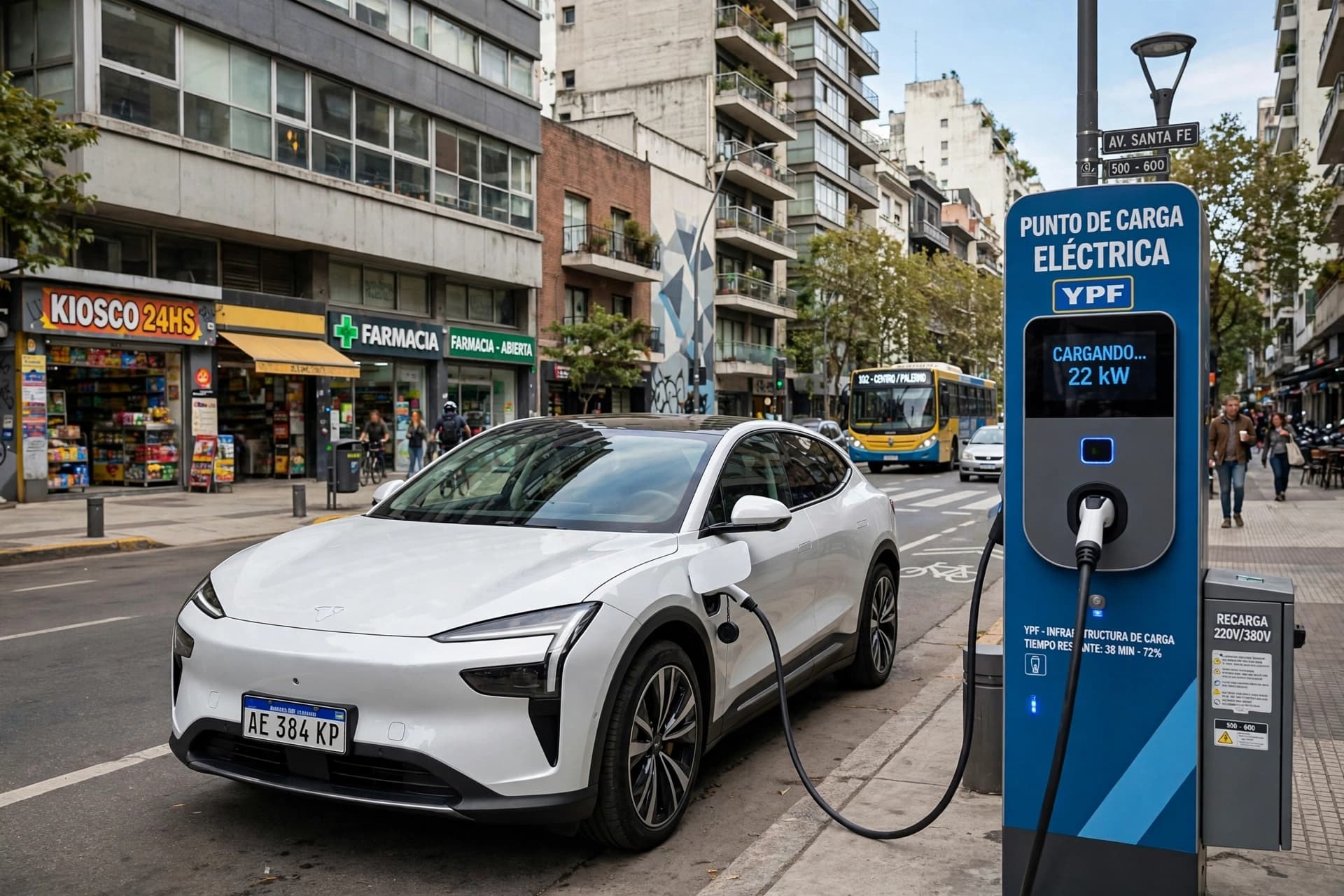
The growth of electric and hybrid vehicles brings practical considerations of its own. Consumers need access to maintenance, spare parts, technical support, and reliable information about warranties. Electric vehicles also depend on suitable charging options, while hybrid models require mechanics familiar with their particular systems. As new brands enter the market, building this support network may become as important as bringing vehicles into showrooms.
The increase from roughly 2% to 10% in market share shows how rapidly Argentina's automotive landscape is changing. Chinese brands have gained ground through a combination of new market access, technology, and competitive offerings. Whether that momentum continues will depend on prices, consumer confidence, import policy, and the ability of manufacturers to support customers after the sale.
For Argentine drivers, the arrival of more choices may gradually change what they expect from a new car. For local manufacturers, it creates a sharper test of competitiveness. And for the wider industry, Argentina offers another example of how the expansion of Chinese automotive companies is influencing markets far beyond their home country. The next phase will be shaped not only by the vehicles displayed in showrooms, but by how well this new competition fits the needs of drivers and the future of domestic production.
### AI Image Disclaimer
The accompanying AI-generated illustrations represent general automotive showrooms and electric or hybrid vehicles. They do not depict specific vehicles or an actual photograph of the Buenos Aires auto show.
### Sources
Reuters Buenos Aires Times Argentina's automotive industry associations
Published by Banx Network. This article is part of the Banx decentralized media programme, powered by the BXE token on the XRP Ledger.