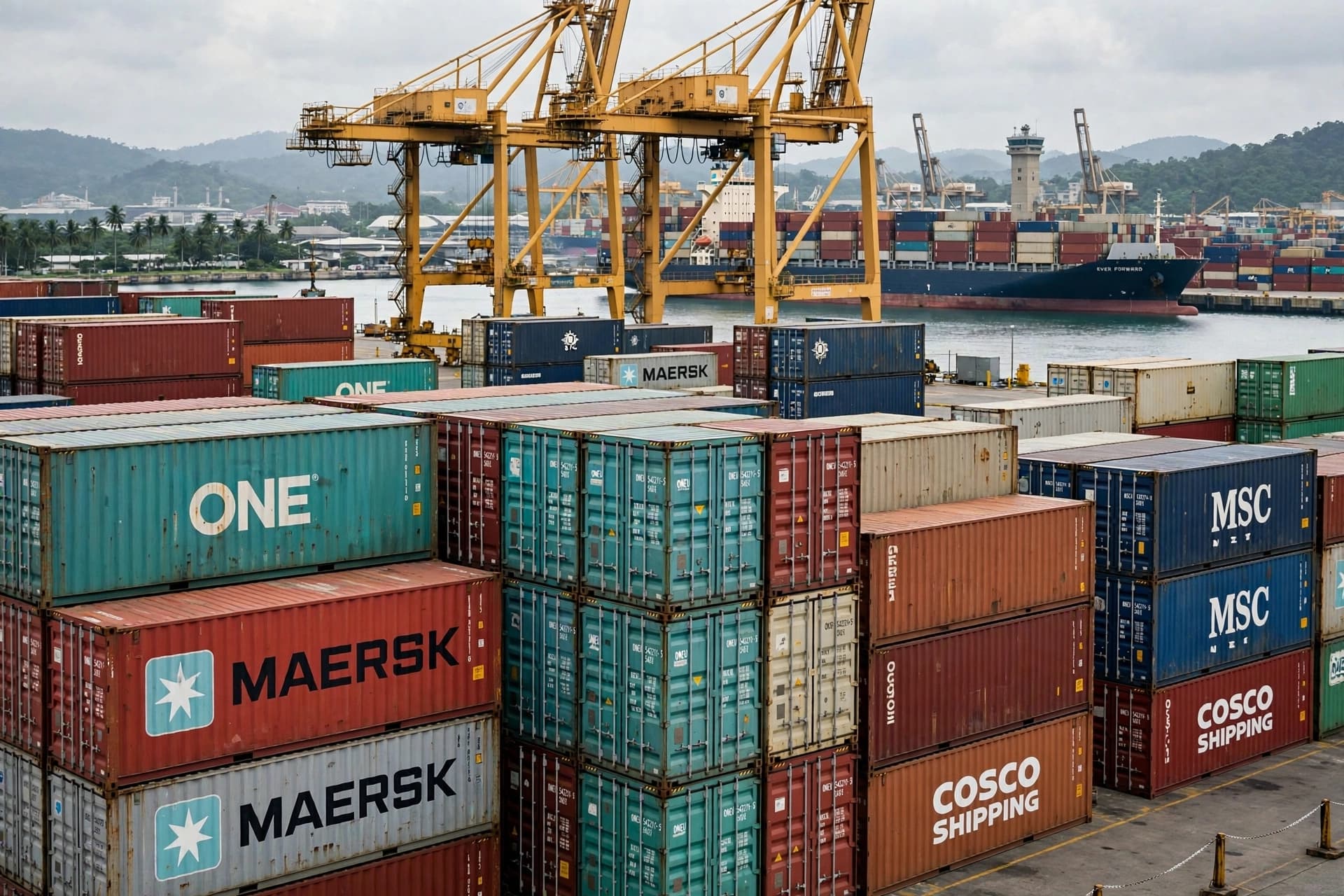
For an export-oriented business, the journey from a factory floor to an overseas customer depends on more than the quality of the product. Shipping costs, customs procedures, tariffs, and market regulations can determine whether a sale remains profitable. When those conditions change, manufacturers may have to reconsider prices, production schedules, or even the location from which they supply a customer.
Thailand's trade discussions with the United States have drawn attention to these practical concerns. On October 7, Reuters reported that Thai Prime Minister Anutin Charnvirakul said a reciprocal trade agreement with Washington was approaching completion. He described the remaining work as a final stage in negotiations and indicated that the agreement could be signed during a planned US presidential visit to Asia.
The United States is an important destination for Thai exports. According to Reuters, it accounted for around 24% of Thailand's total exports during the first part of 2026. That exposure means changes in US trade conditions can matter to a wide range of Thai businesses, from manufacturers and suppliers to freight companies and exporters.
The discussions have taken place against a backdrop of American tariffs on Thai imports. Reuters reported that the United States imposed a 12.5% tariff on Thai goods in July. For exporters, tariffs can increase the cost of entering a market and complicate decisions about whether to absorb the expense, pass it on to buyers, or reorganise production and sourcing.
A completed agreement could provide businesses with greater clarity about the terms of trade. However, its actual value would depend on the final provisions, the products covered, and any obligations imposed on either side. Until the terms are published and implemented, companies must avoid assuming that negotiations alone will remove existing costs or guarantee new commercial opportunities.
For Thai manufacturers, the uncertainty can influence decisions about investment. A company considering a new production line may need to estimate future demand while assessing the cost of exporting to the United States. If tariff arrangements remain unclear, businesses may delay commitments or explore ways to diversify customers across several markets.
Trade arrangements can also affect regional supply chains. Companies in Southeast Asia often source components from neighbouring countries before assembling finished products for overseas buyers. Changes in tariffs or rules of origin can influence where different stages of production take place, potentially creating opportunities for some suppliers while adding compliance costs for others.
Small and medium-sized businesses may face particular difficulties in adapting. Larger exporters often have dedicated legal, logistics, and customs teams, while smaller firms may have fewer resources to interpret changing regulations. Clear official guidance and sufficient time to prepare can help businesses avoid costly mistakes when trade rules change.
For American consumers and companies, trade terms can influence prices and access to imported goods. Yet the broader effects are not determined by tariffs alone. Exchange rates, freight expenses, wages, productivity, and consumer demand all shape the final cost of a product. Any agreement will operate within that wider economic environment.
Thailand's next step will be to turn negotiating progress into clear, workable rules. For businesses, the most valuable outcome is not simply a headline announcing an agreement, but a predictable framework that allows investment and export decisions to be made with greater confidence. Until the final terms are confirmed, exporters will continue to balance opportunity against uncertainty.
### AI Image Disclaimer
These AI-generated illustrations depict general international trade and manufacturing activity. They do not represent official negotiation meetings, actual signed documents, or specific government delegations.
### Sources
Reuters Thai Government Office of the United States Trade Representative Thailand Ministry of Commerce
Published by Banx Network. This article is part of the Banx decentralized media programme, powered by the BXE token on the XRP Ledger.