Al Jazeera has reported on the economic pressure facing Iran and efforts to address the rising cost of living. The challenge is not limited to one product or one market. It reaches across the broader relationship between wages, prices and the availability of essential goods.
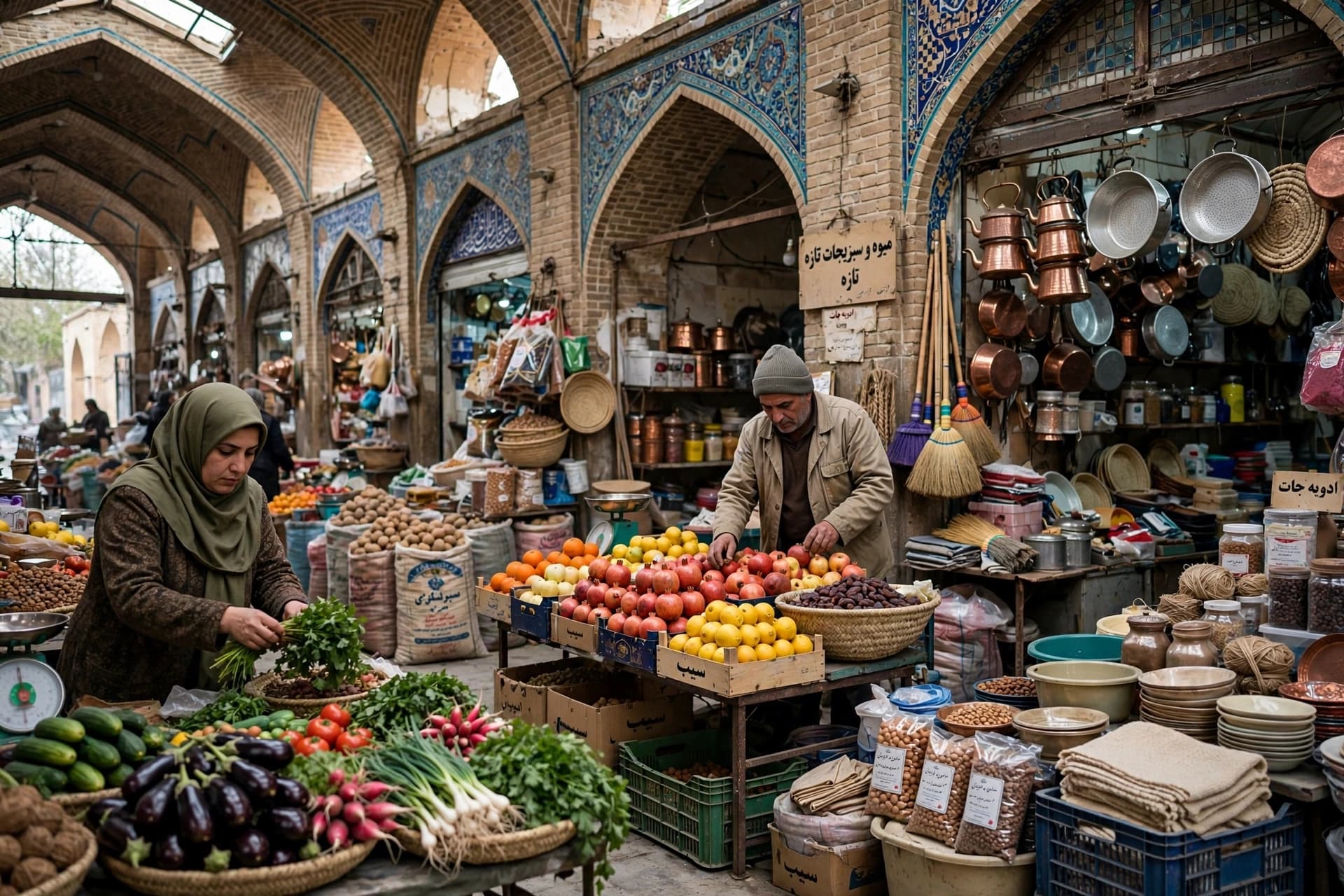
When prices rise faster than household income, families often adjust their spending in stages. Optional purchases may be delayed, less expensive alternatives become more attractive, and larger expenses are reconsidered. Over time, these decisions can change patterns of consumption throughout the economy.
Businesses face their own calculations. Shopkeepers and manufacturers must manage changing input costs, transportation expenses and customers whose purchasing power may be weakening. Some costs can be passed on to consumers, while others reduce already narrow profit margins.
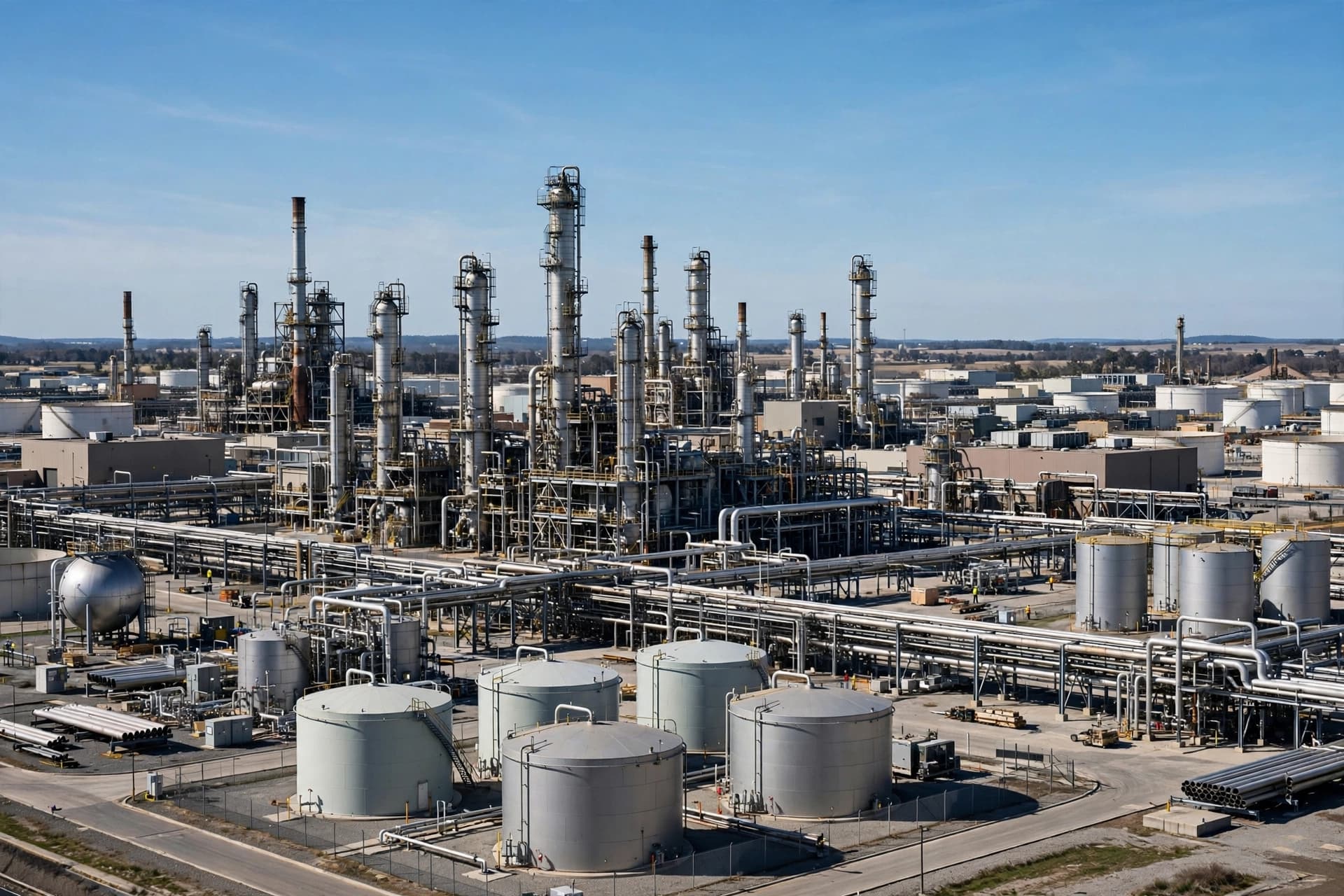
The energy sector adds another layer of uncertainty. Disruptions to fuel supplies and international trade can affect production, transportation and the price of goods. Even businesses that do not directly depend on imported energy can feel the effects through shipping and operating costs.
Economic relief measures can take different forms, including targeted assistance, changes to subsidies or steps intended to improve the availability of essential products. Their impact depends on how they are designed, how quickly they reach households and whether they address the underlying causes of rising prices.
There is also a difficult balance between immediate relief and longer-term stability. Measures that help families meet current expenses may provide important breathing room, but lasting improvement usually requires more predictable prices, reliable supplies and confidence in the economic outlook.
For businesses, greater stability can make it easier to plan investment and employment. For households, it can restore some predictability to spending decisions that otherwise need to be reconsidered each week.
Iran's economic conditions are shaped by domestic policy, international restrictions, currency pressures and regional developments. Those factors can interact in complicated ways, making it difficult for any single measure to resolve the cost-of-living challenge on its own.
The immediate concern remains close to home: whether household income can keep pace with the cost of everyday life. Economic indicators may describe the wider picture, but their meaning is often clearest in the ordinary choices families make as they try to stretch their budgets.
AI Image Disclaimer
This AI-generated illustration is a general editorial visualization of everyday economic conditions and does not depict a specific Iranian family or actual market event.
Sources
Al Jazeera Reuters Central Bank of Iran Statistical Center of Iran
Published by Banx Network. This article is part of the Banx decentralized media programme, powered by the BXE token on the XRP Ledger.