WORLD0% credibility
When the World Tilts, Can Rules Still Hold the Line?
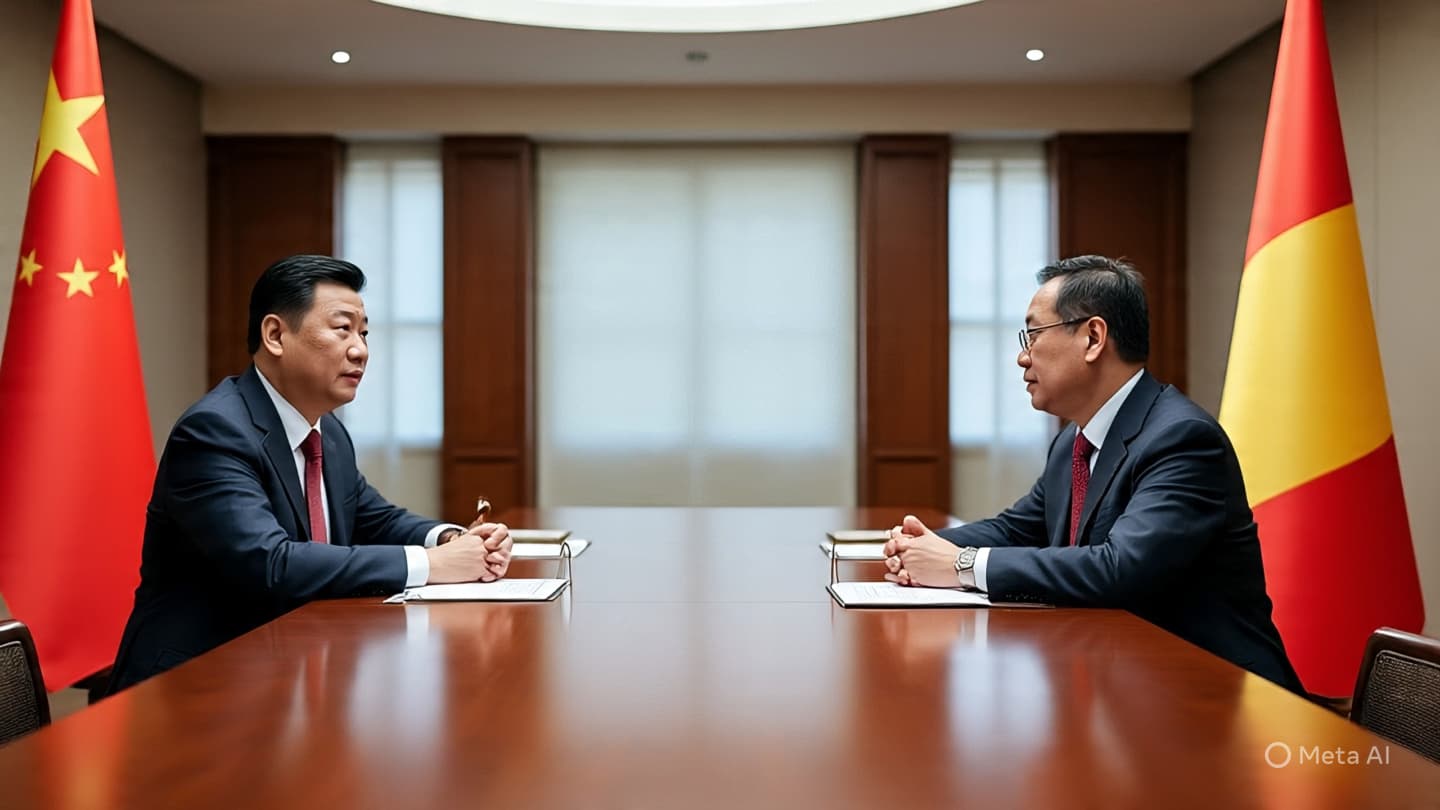
China and Spain reaffirm commitment to international norms and multilateralism, emphasizing rule-based global order amid rising geopolitical tensions.
5 min read

China and Spain reaffirm commitment to international norms and multilateralism, emphasizing rule-based global order amid rising geopolitical tensions.
Italy suspends defense agreement with Israel amid regional conflict, signaling a reassessment of diplomatic and military cooperation.

Israel maintains military readiness amid tensions involving Lebanon and Iran, while diplomatic efforts continue to prevent escalation.

Taiwan explores hypothetical roles in global security scenarios involving the US, balancing strategic planning with regional priorities.

U.S. Congressman Mario Díaz-Balart, a close ally of Marco Rubio, has intensified diplomatic tensions with Spain by asserting that Ceuta and Melilla are not Spanish territories but rather part of Moroccan soil. This controversial statement highlights growing friction in U.S.-Spain relations amid current geopolitical conflicts.
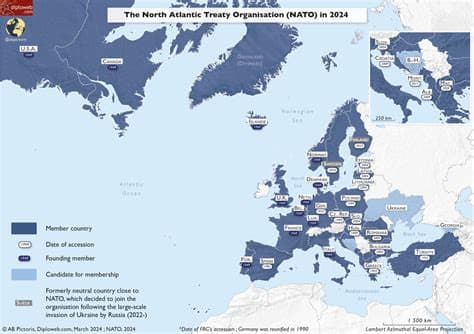
As Europe's security landscape evolves amidst rising geopolitical tensions, Denmark stands at the forefront of NATO's strategic initiatives. This article explores Denmark's pivotal role in shaping the alliance's future, addressing contemporary challenges, and enhancing collective defense mechanisms in response to threats.
Increasing clinical trials in Europe is essential for enhancing medical research, advancing healthcare, and ensuring that European populations benefit from innovative treatments. A robust trial landscape can foster collaboration, improve patient outcomes, and bolster the region's position in global healthcare.
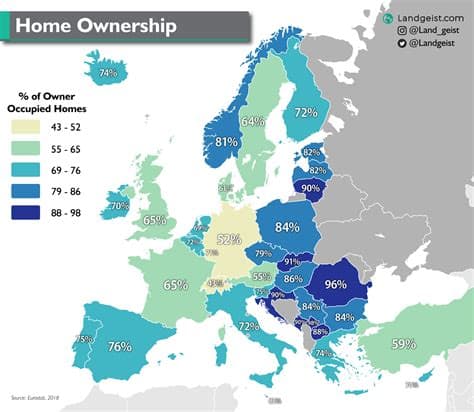
An analysis of homeownership rates across Europe reveals significant disparities among nations. While some countries boast high rates of property ownership, others struggle with a growing divide, influenced by economic conditions and housing policies.
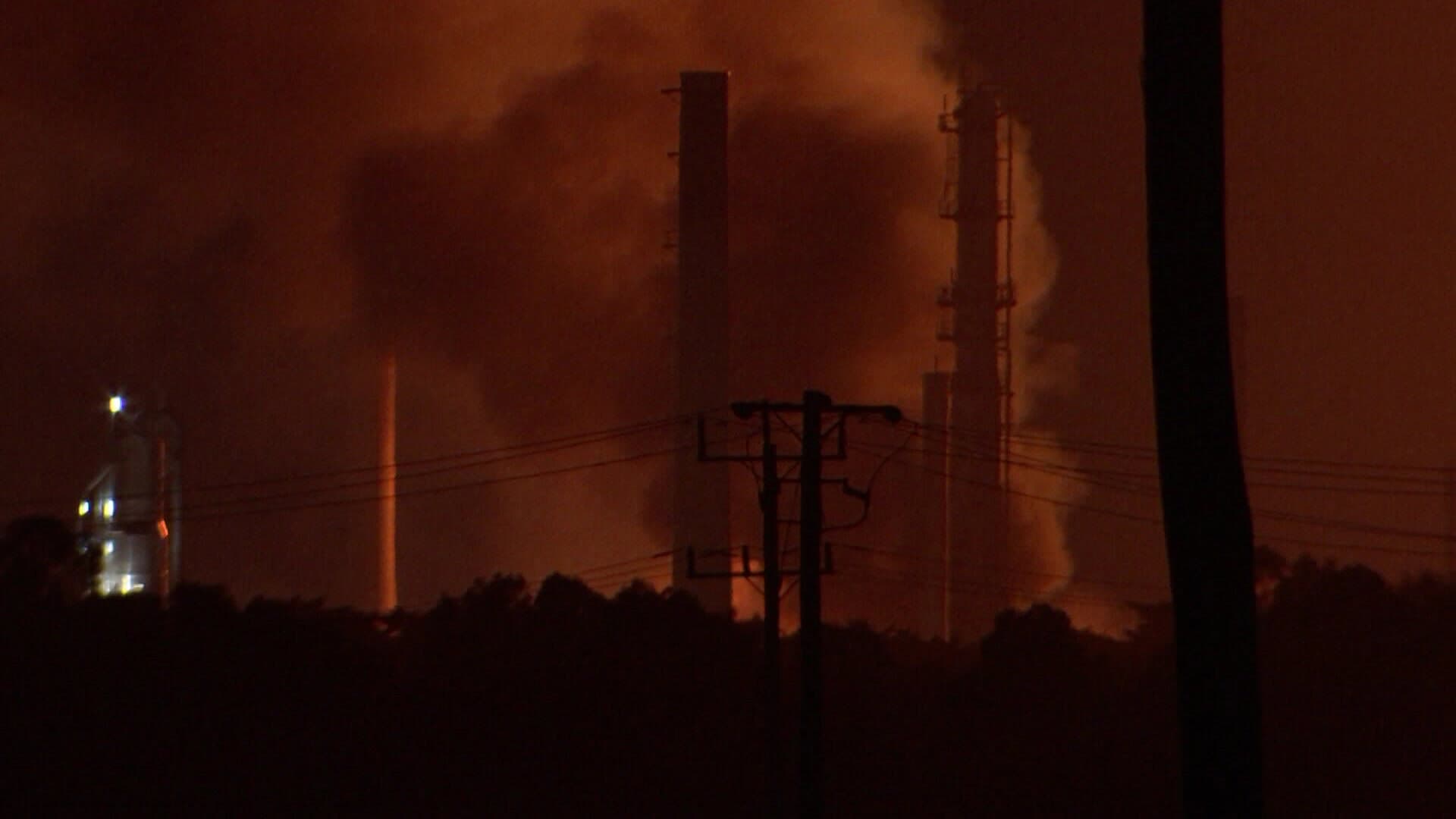
A massive fire has broken out at one of Australia’s two oil refineries in Geelong, prompting emergency response teams to tackle the blaze. The incident raises concerns about safety and environmental impacts in the region.

A Miami federal jury has awarded $300,000 to an injured passenger after determining that Carnival Cruise Line overserved her alcohol, contributing to her injuries. This case sheds light on the responsibilities of cruise lines regarding guest safety and alcohol service.
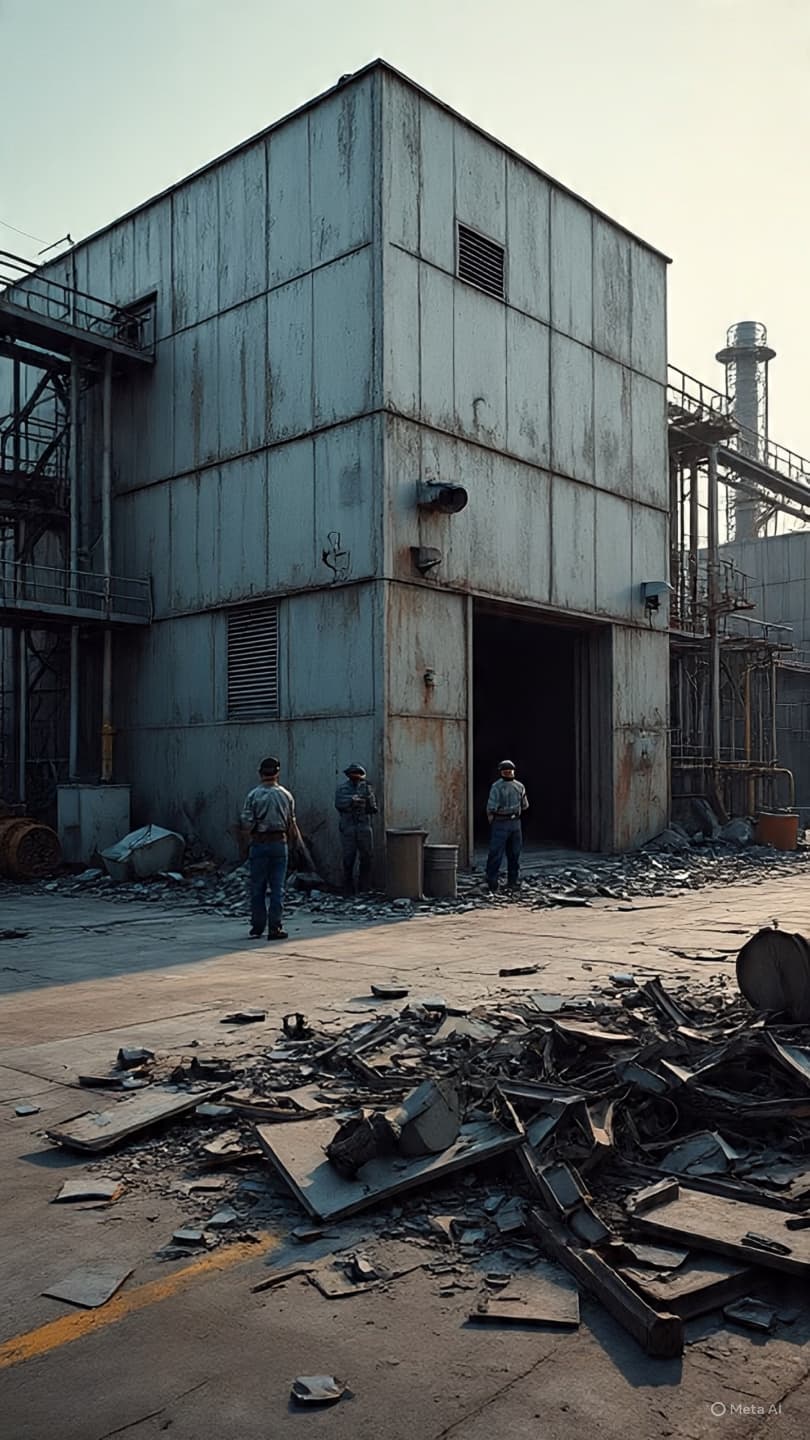
Saudi Arabia intercepted seven missiles, but falling debris near energy facilities highlights ongoing regional tensions and risks to critical infrastructure.

China’s banks are adopting flexible strategies to manage underwater mortgages as falling property values challenge borrowers and financial stability.

Canada’s housing prices are declining in major cities, but high interest rates and affordability challenges continue to prevent many from entering the market.
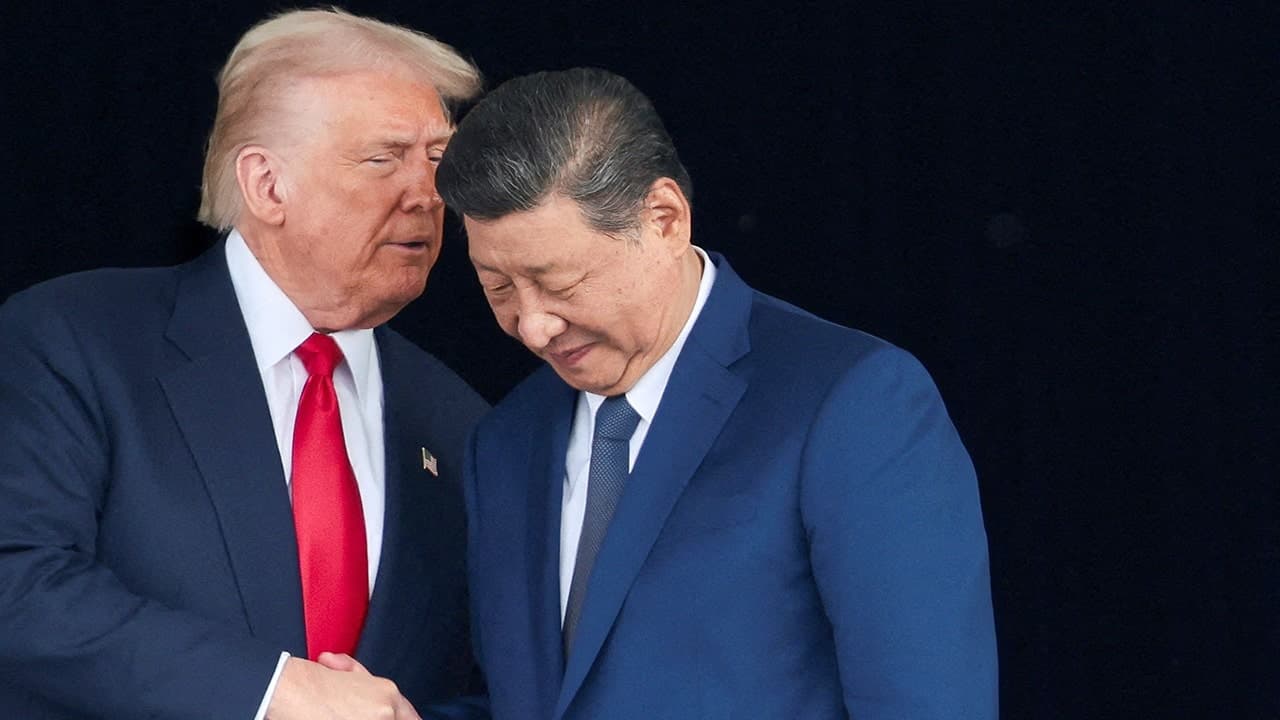
In a direct letter to Chinese President Xi Jinping, Trump has urged China to refrain from sending weapons to Iran, emphasizing the importance of regional stability and expressing concerns over escalating tensions in the Middle East.
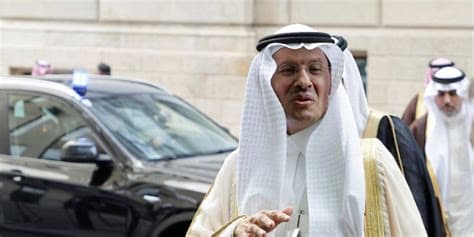
In a significant financial move, Saudi Arabia has agreed to provide Pakistan with $3 billion in support, helping the South Asian nation navigate its challenging economic landscape amid looming debt obligations to the UAE.
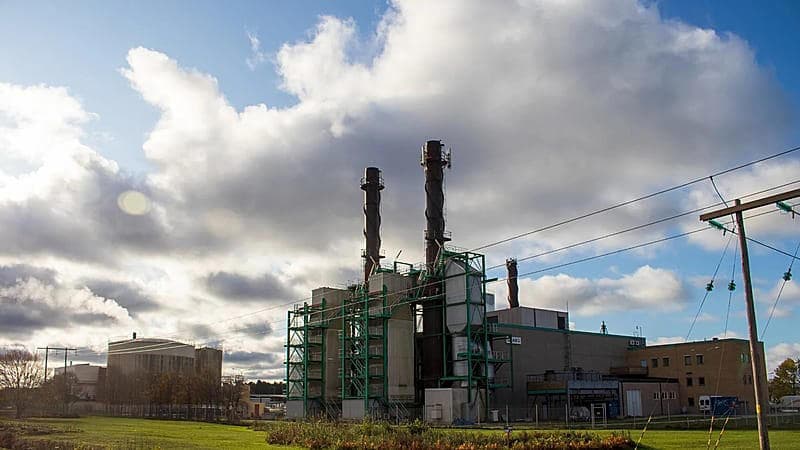
Sweden successfully thwarted a pro-Russian cyberattack targeting a thermal power plant in 2025, according to statements from government officials. The incident highlights increasing cybersecurity threats linked to geopolitical tensions and the need for robust defenses.
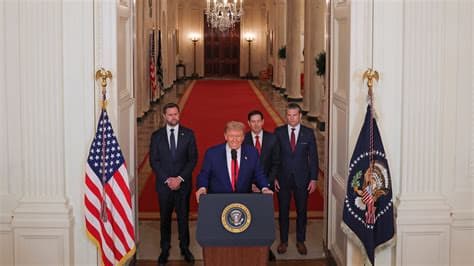
In a surprising statement, Trump announced that the ongoing war could be nearing its conclusion, coinciding with renewed U.S. diplomatic efforts to engage with Iran. This optimistic outlook raises questions about the potential for peace and stability in the region.
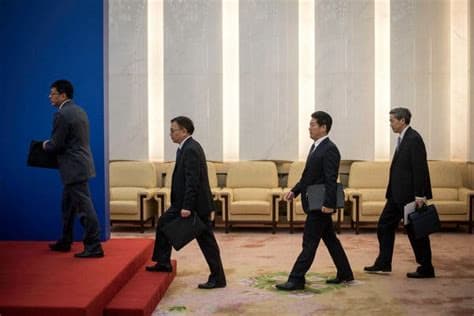
In a strategic move to safeguard its economy, China has introduced new regulations aimed at preventing foreign companies from "decoupling" from the Chinese market. These measures are intended to reinforce economic ties and ensure that foreign enterprises continue to engage with China's vast consumer base.
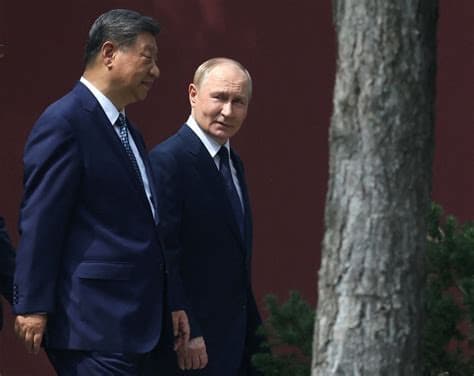
As the conflict in Iran intensifies, Russia steps in to provide China with a crucial energy lifeline, aiming to stabilize both nations amidst a turbulent global supply landscape. This strategic partnership could reshape energy dynamics and shift reliance away from the Middle Eastern market.
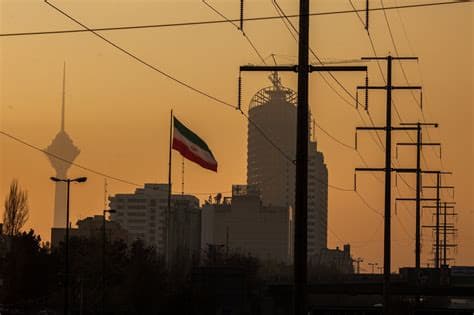
In the wake of escalating tensions in the Middle East, particularly the ongoing conflict in Iran, foreign investors are withdrawing from Thailand, stymying the nation's anticipated economic recovery. Coupled with global energy price shocks, fears of instability are reshaping investment landscapes and casting doubt on Thailand's growth prospects.
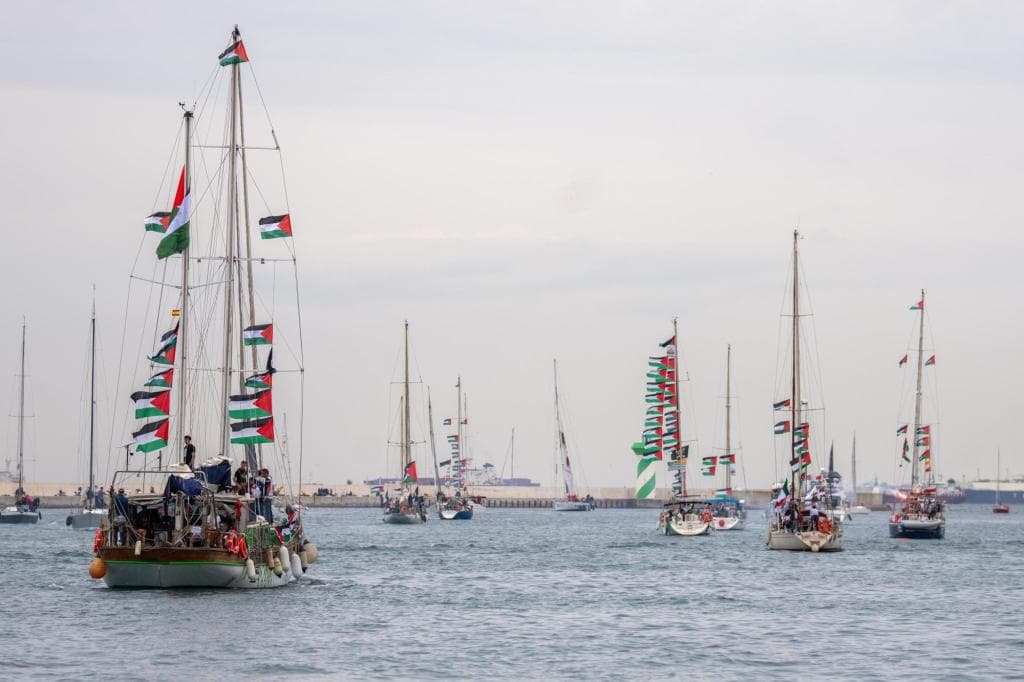
A humanitarian flotilla sailing from Barcelona aims to breach the Israeli blockade and deliver vital aid to Gaza, with 39 boats departing and more expected to join.
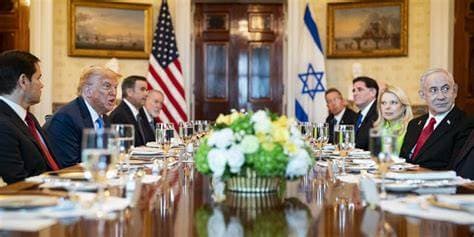
Recent developments have seen a bipartisan coalition of legislators support the continuation of arms shipments to Israel, highlighting a divide within the Democratic Party, as a chorus of Republicans and some Democrats advocate for increased military assistance amidst the escalating Israel-Hamas conflict.
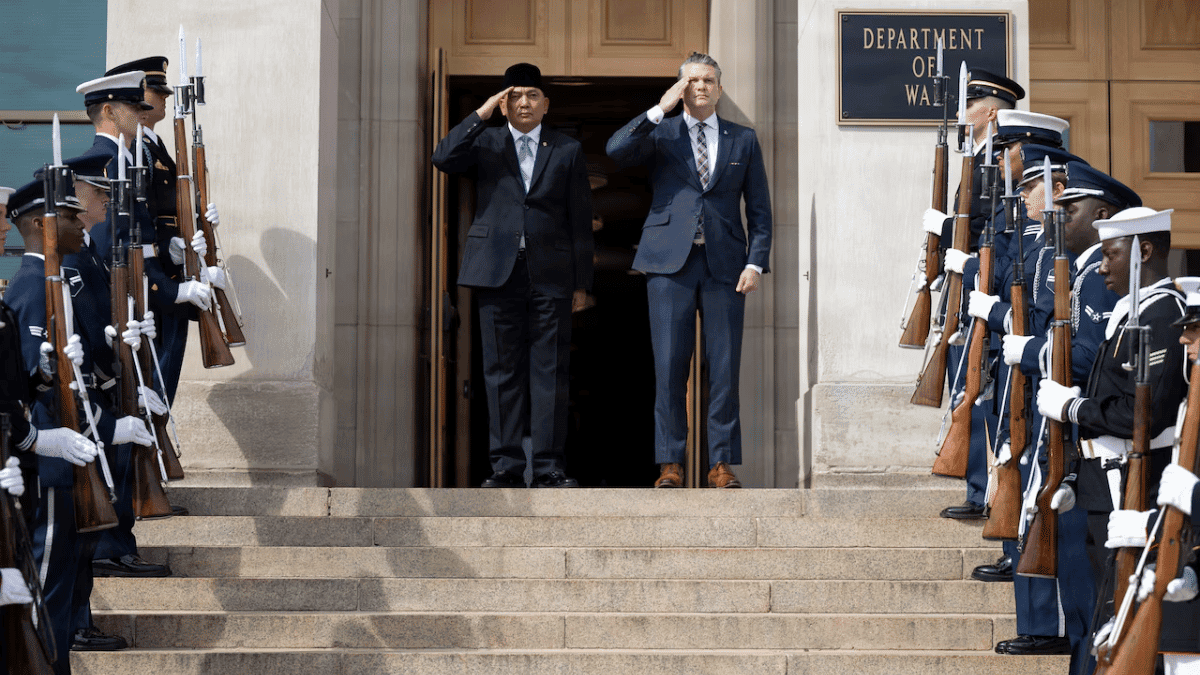
As tensions rise around the Strait of Hormuz due to increased US military pressure on Iranian-linked maritime activities, attention is also turning to the Strait of Malacca, a critical trade artery, fueled by a new defense pact between the US and Indonesia.

Chinese authorities are intensifying efforts to coerce underground Catholic communities into joining the state-controlled church, marking a notable escalation in religious repression under President Xi Jinping's regime, according to a recent report by Human Rights Watch.