SCIENCE91% credibility
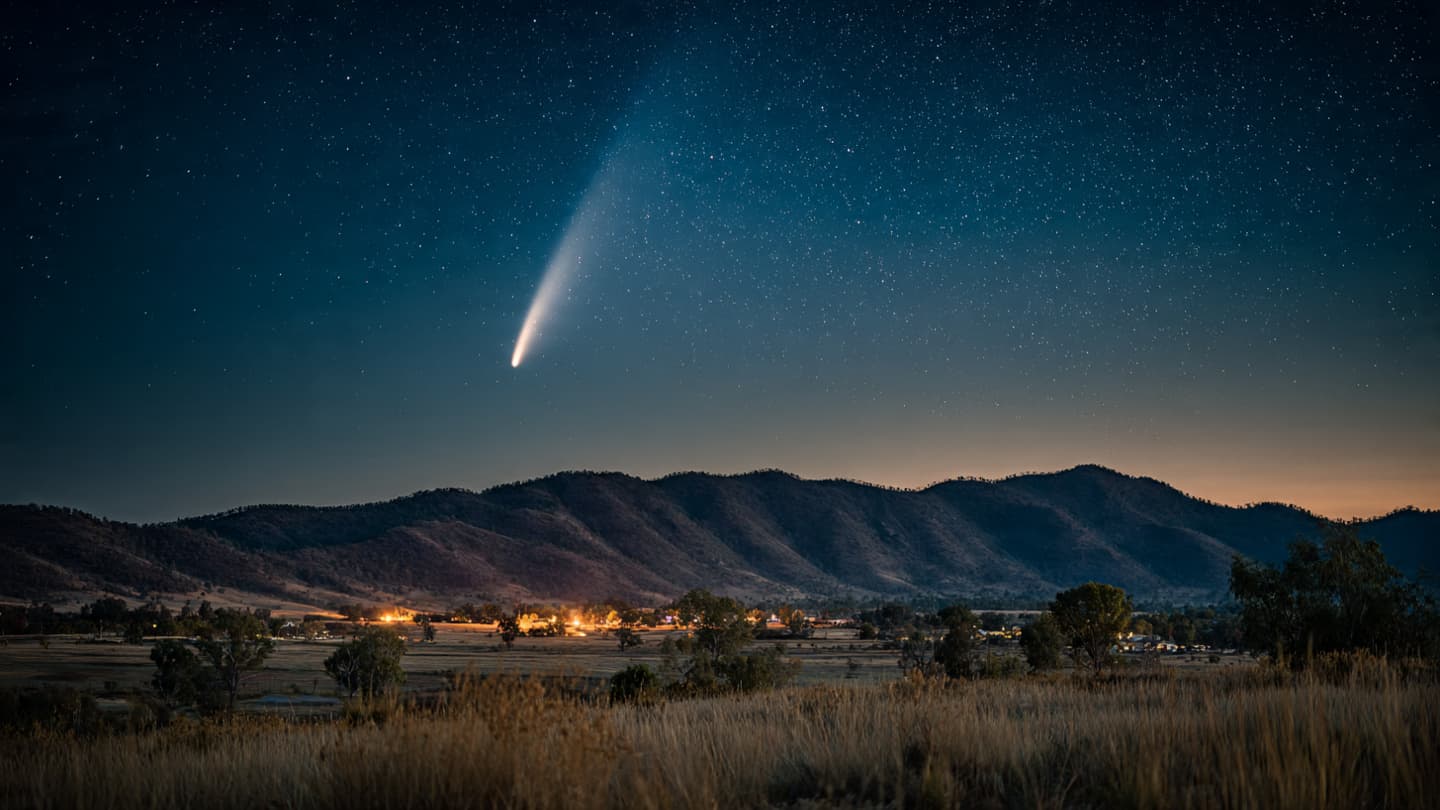
A fleeting light in the sky invites a moment of quiet wonder
A bright, rare comet becomes visible in New Zealand, with experts offering guidance for optimal viewing.
1 min read

A bright, rare comet becomes visible in New Zealand, with experts offering guidance for optimal viewing.

Seismic data suggests Mars has a denser, fully liquid core, offering new insights into its structure and evolution.
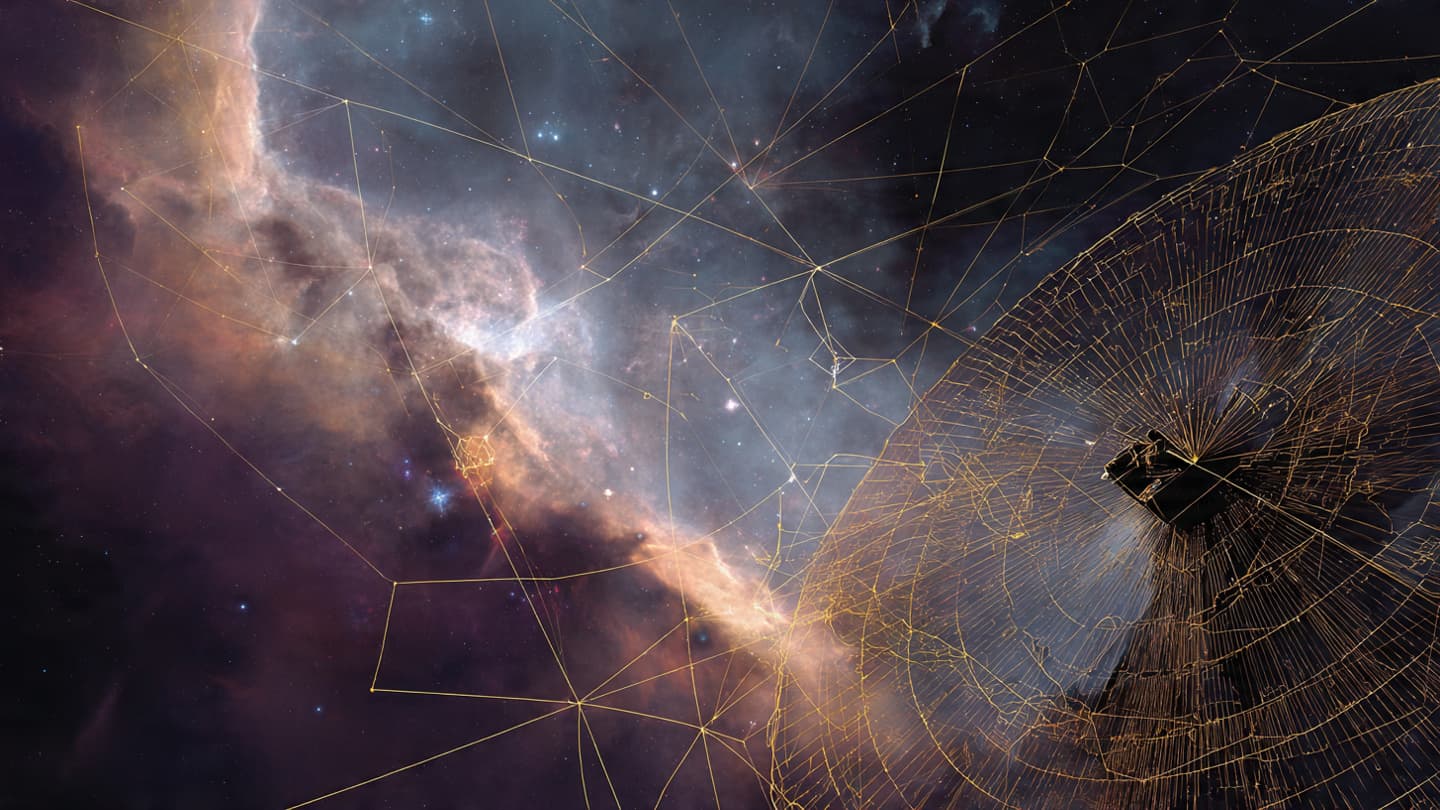
James Webb telescope detects unusual signals that may represent technosignatures, though scientists urge cautious interpretation.

May’s Flower Moon captivates global audiences, with stunning photos highlighting its seasonal beauty and cultural significance.

Artemis II astronauts gift a young aspiring astronaut a NASA spacesuit, highlighting the human and inspirational side of space exploration.

Astronomers uncover hidden galactic structures aligned toward the Milky Way’s black hole, offering new clues about cosmic energy flow and past events.

Scientists discover that scorpions reinforce their stingers with metal, enhancing durability and offering insights for materials science.

Astronomers use powerful new telescopes to search for the hypothetical Planet 9, which may explain unusual orbital patterns in the outer solar system.

NASA introduces nuclear propulsion technology that could significantly shorten travel time to Mars and reshape future space missions.

A study warns satellite collisions could escalate rapidly, highlighting growing risks in increasingly crowded low Earth orbit.

A green glowing phenomenon sparks curiosity, with possible explanations ranging from auroras to atmospheric or satellite-related effects.

Astronomers find DESI-HVS1 may be an older hypervelocity star, reshaping views on stars ejected from the Milky Way’s center.

NASA highlights a 2.5-billion-year-old structure within an igneous formation, offering new insight into Earth’s early geological history.

A record-breaking Viking Age silver coin trove discovered in Norway sheds light on trade, wealth, and historical connections.

Scientists observe a subduction zone splitting beneath the ocean, offering new insights into tectonic behavior and Earth’s dynamic structure.

New research suggests Yellowstone’s magma system is more complex than previously thought, without increasing eruption risk.

Oxford physicists achieved “quadsqueezing,” advancing quantum control across four variables with potential implications for computing and precision measurement.

A 500-million-year-old fossil claw suggests spiders evolved earlier than thought, reshaping timelines of arachnid origins.

Scientists identified 10,000 new exoplanet candidates, challenging existing models and potentially tripling the number of known worlds.

Scientists achieve quadsqueezing in quantum systems, advancing precision control and opening new possibilities in quantum technology.

Artemis II crew returns safely after a lunar flyby, advancing NASA’s plans for future Moon missions and deep space exploration.

Engineers recreate a 1775 mechanical volcano design, blending historical insight with modern engineering for educational exploration.

Scientists observe fragmentation in the Juan de Fuca Plate, offering new insight into subduction dynamics and long-term seismic processes.

New Zealand researchers have uncovered the evolutionary drivers behind the "low-profile" camouflage of native species, revealing how isolation and environmental stability favored subtle survival strategies.