Shifting Ownership: The Race to Beat the Luxury Tax
Wealthy New York homeowners are restructuring ownership and residency patterns to avoid Mayor Mamdani’s new tax on second homes valued over 5 million, sparking debate on equity and market impact.

Wealthy New York homeowners are restructuring ownership and residency patterns to avoid Mayor Mamdani’s new tax on second homes valued over 5 million, sparking debate on equity and market impact.

Developers warn that tax roll errors under Mayor Mamdani’s administration could drive homebuyers to Southern states, potentially harming New York City’s real estate market and economy.

Global real estate investment is recovering as financing conditions improve, with logistics, data centers and sustainable developments attracting investors.

A kitchen gas explosion in a public housing apartment on August 3, 2026 left one person dead and three hospitalized.

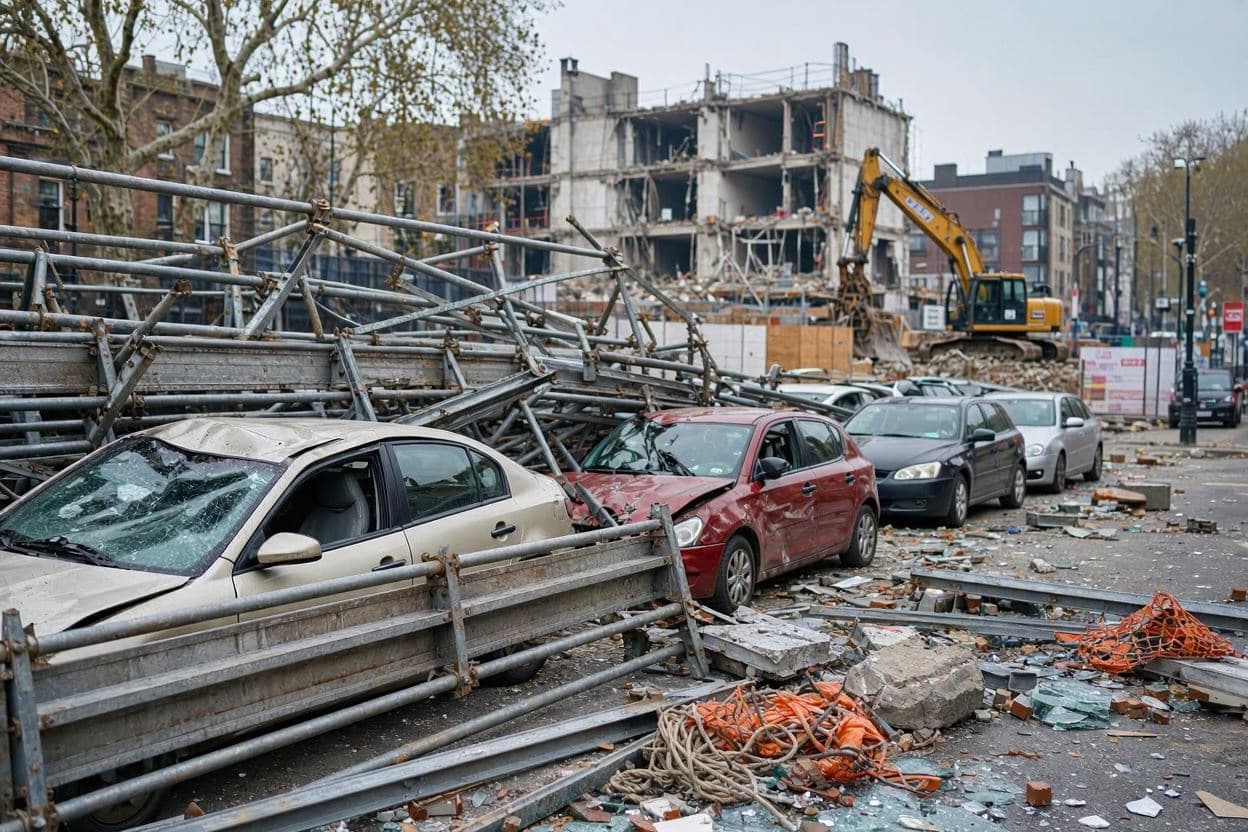
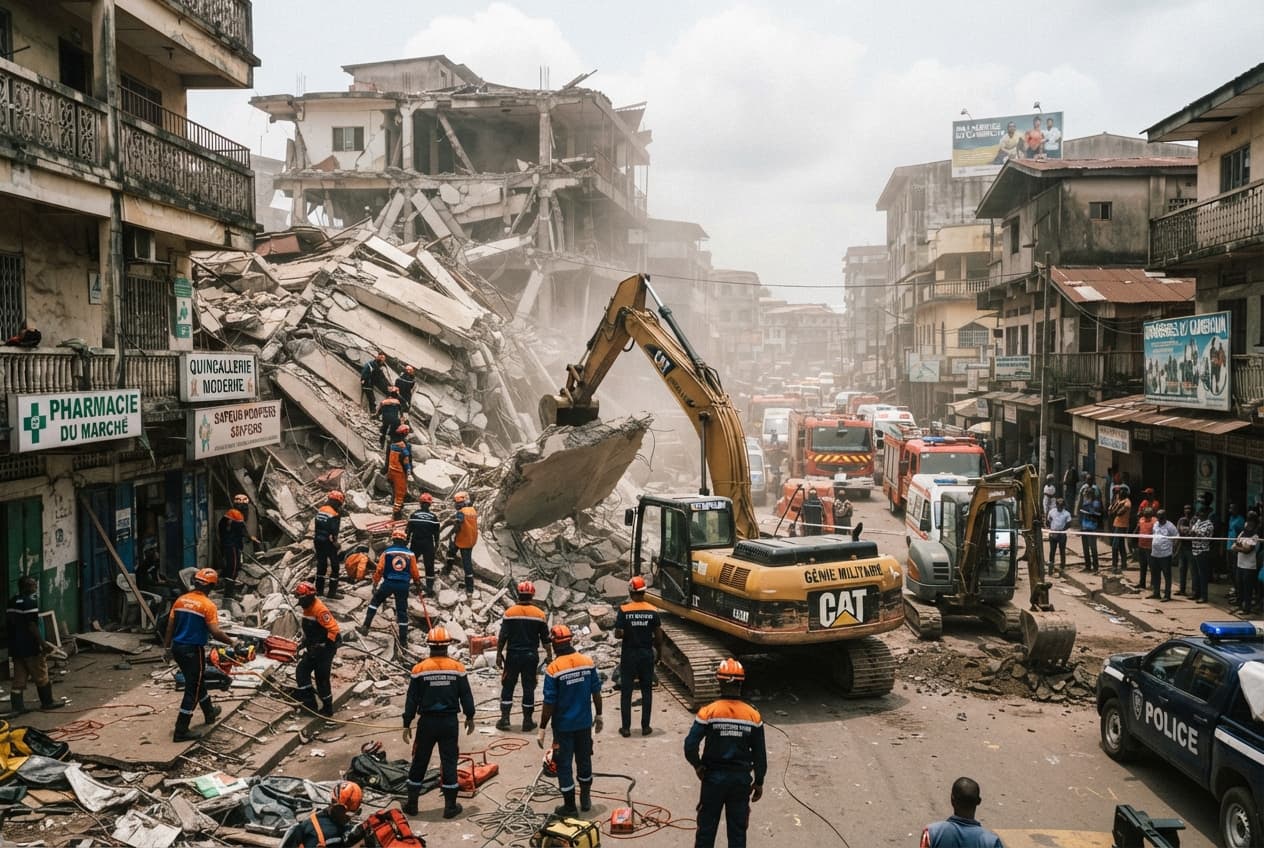
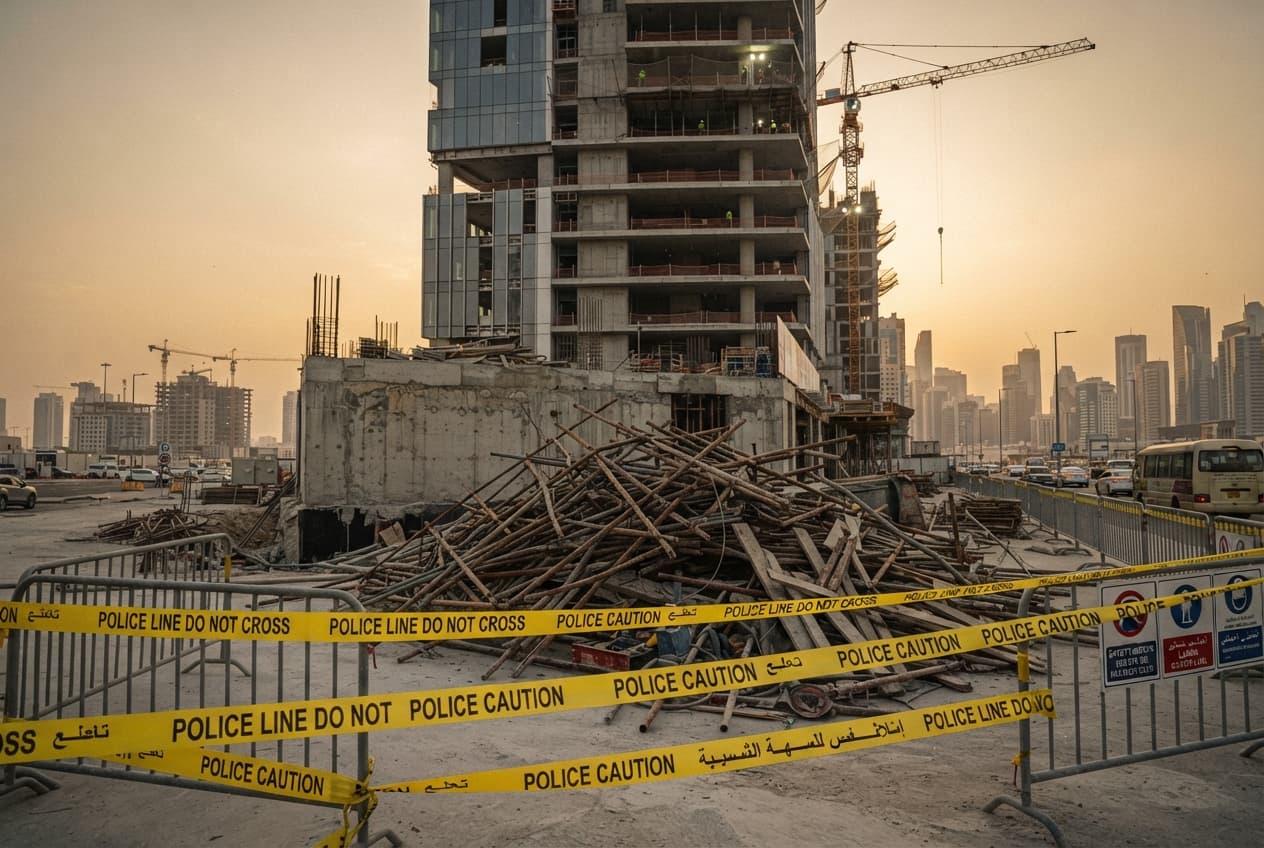
A building under construction collapsed in Guadalajara on July 31, 2026, trapping and killing four workers beneath concrete slabs.

Vancouver has approved a 2 billion plan for a new mixed-use tower that will become the city’s tallest building, sparking debate on growth and affordability.

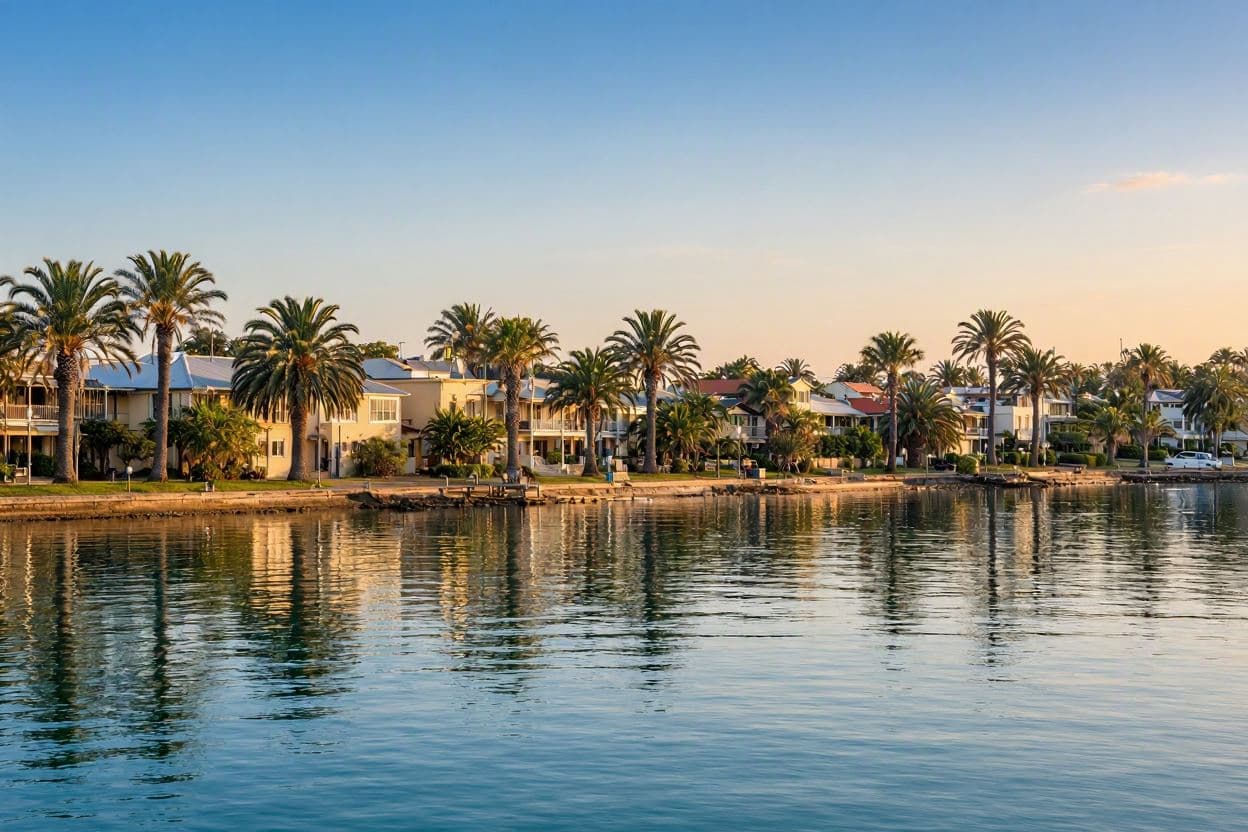
Melbourne’s property market is leading Australia’s downturn with a significant increase in price cuts as sellers adjust to higher interest rates and reduced buyer demand.

Australian property prices have fallen for the first time in three years, marking a market downturn. Rising interest rates and inflation are key drivers, offering mixed outcomes for buyers and sellers.

Bayside, a new event venue in San Francisco, has opened to positive reviews for its design and views. It offers a versatile space for gatherings, enhancing the city’s waterfront culture.

New U.S. housing data are expected to provide another measure of consumer confidence and residential market activity.

Montana's luxury tourism boom has intensified housing affordability challenges, leaving many local workers struggling to keep pace with rapidly rising housing costs.

A man who purchased a home without viewing it in person discovered three dead bodies inside, highlighting the risks of skipping physical inspections in real estate.

The Buildings Department ordered an immediate suspension of construction on 30 private projects across Hong Kong on July 20, 2026, following fire safety concerns raised by the Wang Fuk Court tragedy.

U.S. foreclosure filings surpassed 227,000 in the first half of 2026, reflecting mounting pressure on homeowners amid higher rates and costs.

AI compute agreements have exceeded $50 billion in 2026 as companies race to secure infrastructure needed for next-generation AI development.

U.S. housing markets continue adjusting as expensive financing, limited inventory, and changing buyer behavior reshape real estate activity across regions.

The U.S. housing market reaches historically high price levels as limited supply, financing costs, and buyer challenges reshape residential demand.

A long-simmering property boundary dispute in Mé-Zóchi escalated into a violent confrontation, leaving one resident fatally injured over a patch of contested land.

Home sellers are avoiding auctions due to dipping demand and economic uncertainty, preferring private treaties for greater certainty and control in the current housing market.

New York City's housing shortage has pushed rents to record highs, increasing affordability pressures and intensifying calls for more housing construction.

Despite having loose planning zones, many Melbourne suburbs remain resistant to development due to local restrictions. This "lockdown" highlights the tension between housing needs and community preservation.

Albanian prosecutors are investigating Artur Shehu, a Miami-based businessman who sold land for a luxury tourism project linked to Jared Kushner, alleging he falsified documents connected to real estate transactions. The investigation is part of a wider probe involving suspected international drug trafficking and money laundering, and comes amid months of protests in Albania.

A bipartisan housing bill became law after President Trump refused to sign it but did not veto it, allowing the "21st Century ROAD to Housing Act" to take effect automatically.

A construction scare in New York has highlighted the significant technical and financial challenges of converting office buildings into residential housing.