The Hidden Price of Conflict: Amazon’s Quiet Adjustment
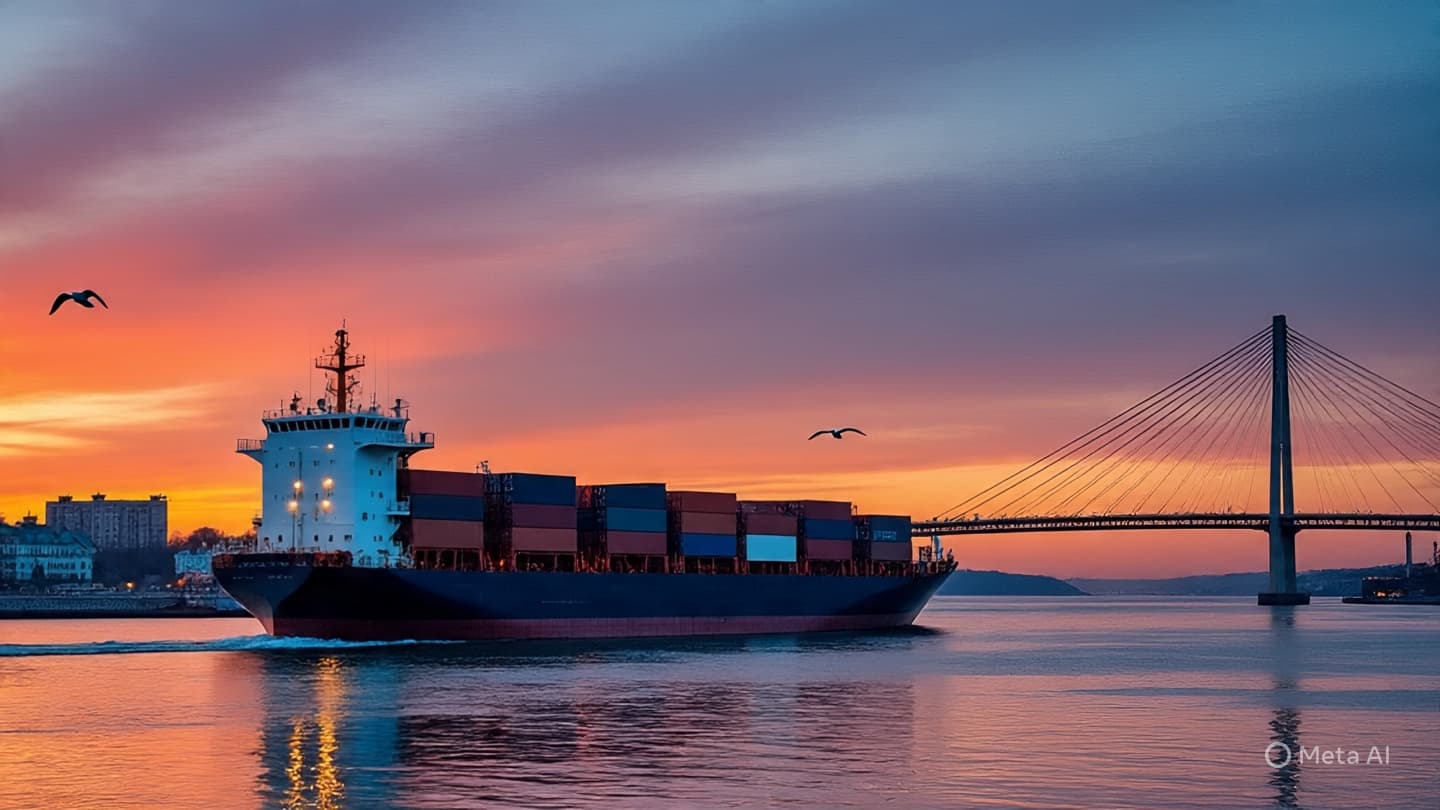
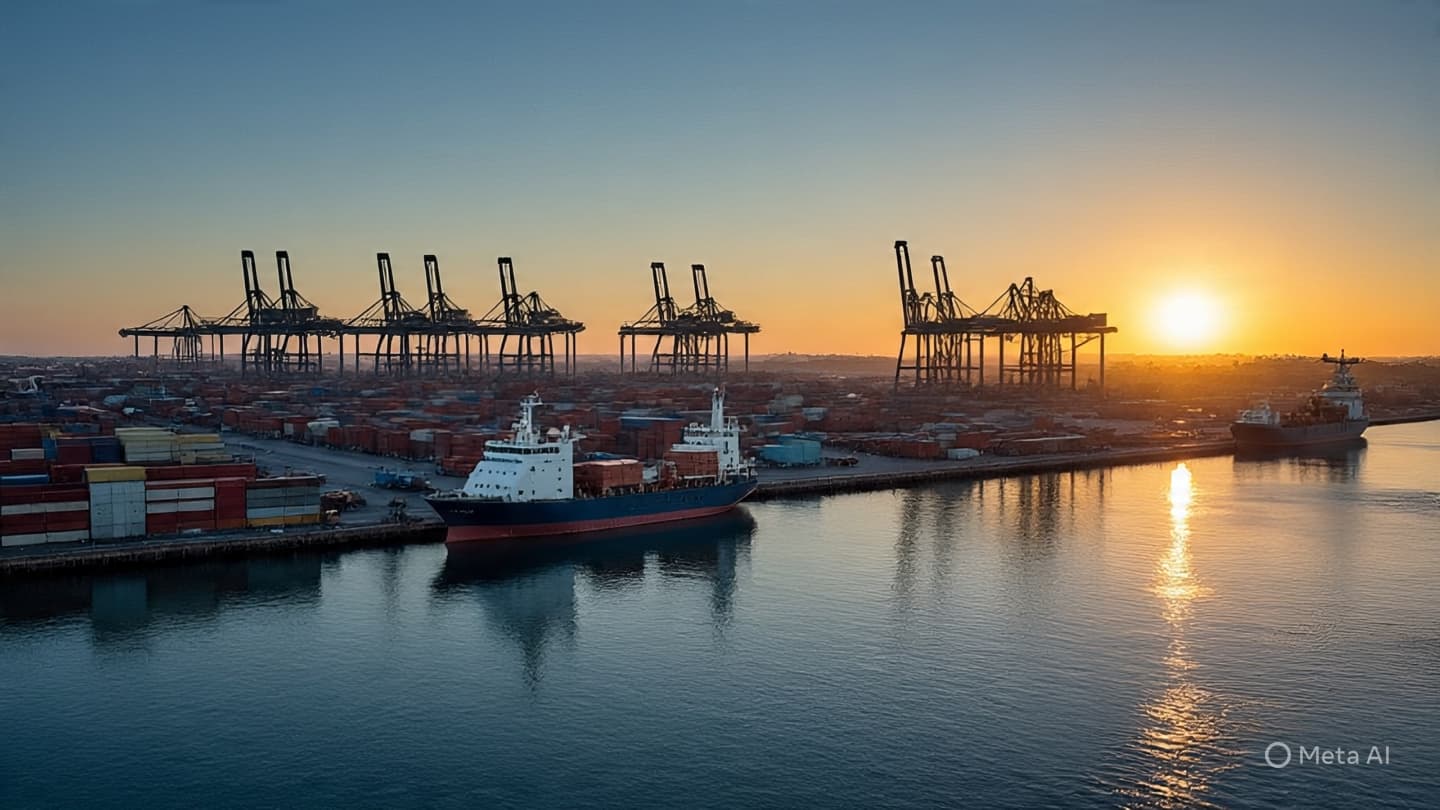
Amazon introduces a 3.5% fuel surcharge for sellers as rising energy costs from the Iran conflict ripple through global supply chains and logistics.

Amazon introduces a 3.5% fuel surcharge for sellers as rising energy costs from the Iran conflict ripple through global supply chains and logistics.

Dutch retail profit margins rise from 48% to 63% following supply chain optimization, reflecting improved efficiency and stronger operational performance.

Amazon imposes a fuel surcharge on sellers as the Iran war drives global energy costs higher, reflecting the quiet but profound impact of distant conflict on commerce.

The CFTC sues Arizona, Connecticut, and Illinois over state-run prediction markets, highlighting tensions between financial innovation, investor protection, and federal oversight.

Oil prices rise sharply while Asian shares gain modestly, reflecting cautious optimism and the interconnected rhythms of energy and markets.

Blue Owl Capital limits withdrawals after investors sought $5.4 billion, highlighting the delicate balance between liquidity and confidence in private equity markets.

OpenAI’s acquisition of the streaming show “TBPN” signals a shift toward shaping public perception of AI through storytelling and media engagement.

Graz attracts $400M in venture capital to expand AI infrastructure, signaling growing confidence in its role as an emerging European technology hub.

Equinor is investing trillions of kroner into carbon capture and storage, positioning CCS as a key part of its long-term energy transition strategy amid ongoing climate debates.

As markets crash, the stability of stocks like LNN is questioned. How low can Lindsay Corporation go, and should investors hold tight or prepare for further drops?

In the uncertain tides of the Asian market, penny stocks are emerging as potential goldmines for savvy investors. As technology and green energy sectors thrive, April 2026 brings new opportunities.

As President Trump intensifies his actions toward Iran, markets react. Oil prices climb and uncertainty spreads. Investors are left to navigate the delicate balance between political rhetoric and financial realities.

As “dumb money” floods prediction markets, the dynamic of investing shifts. Will casual bets distort market predictions, or do they provide a fresh edge to future forecasts?

Asian shares have advanced despite rising tensions in the Middle East, as investors hold onto cautious optimism. However, the balance remains fragile, and the future of the region is uncertain.

As President Trump doubles down on his stance toward Iran, the global economy trembles, with oil prices climbing and markets uncertain about the future. Is war inevitable, or can diplomacy prevail?

The NLRB has ordered Amazon to negotiate with the Teamsters, marking a significant shift in the labor struggle, though the path to fair contracts remains uncertain.

California's high gas prices stem from a mix of state regulations, refinery limitations, and global market factors, not price gouging. No evidence supports claims of manipulation.

Canada advances stablecoin regulation with Bill C-15, aiming to create secure digital payments and shape the future of global crypto finance.

A $62 million investment from global carbon funds is set to support large-scale reforestation in Scotland, reflecting a growing link between climate action and financial systems.

Scotch whisky exports to Southeast Asia reach record highs in early 2026, reflecting growing demand, rising incomes, and expanding appreciation for premium spirits.

Certified‑circular polyolefin resins for flexible and rigid packaging are projected to grow from about USD 4.6B in 2026 to USD 10.3B by 2036, driven by regulatory mandates and demand for traceable sustainable materials.

The Government will fund 90 million litres of extra diesel storage at Marsden Point, adding about eight days of national supply resilience amid fuel market volatility.

Bank data shows NZ fuel-station card spending jumped nearly 30% in March, while cafés, restaurants, and secondhand stores saw spending fall as budgets tightened.

KMD has completed the institutional phase of its NZ$65.3m capital raise, securing NZ$44.2m at 6 cents a share as it moves to strengthen its balance sheet.