Between Bets and Ballots: Can Markets Measure Public Opinion?
Prediction markets offer insights into expectations but are unlikely to replace traditional polling due to participation limits, biases, and regulatory constraints.

Prediction markets offer insights into expectations but are unlikely to replace traditional polling due to participation limits, biases, and regulatory constraints.

Ouster’s new color lidar technology aims to enhance sensing capabilities, but after a strong stock rally, markets are watching closely for real-world adoption and performance.

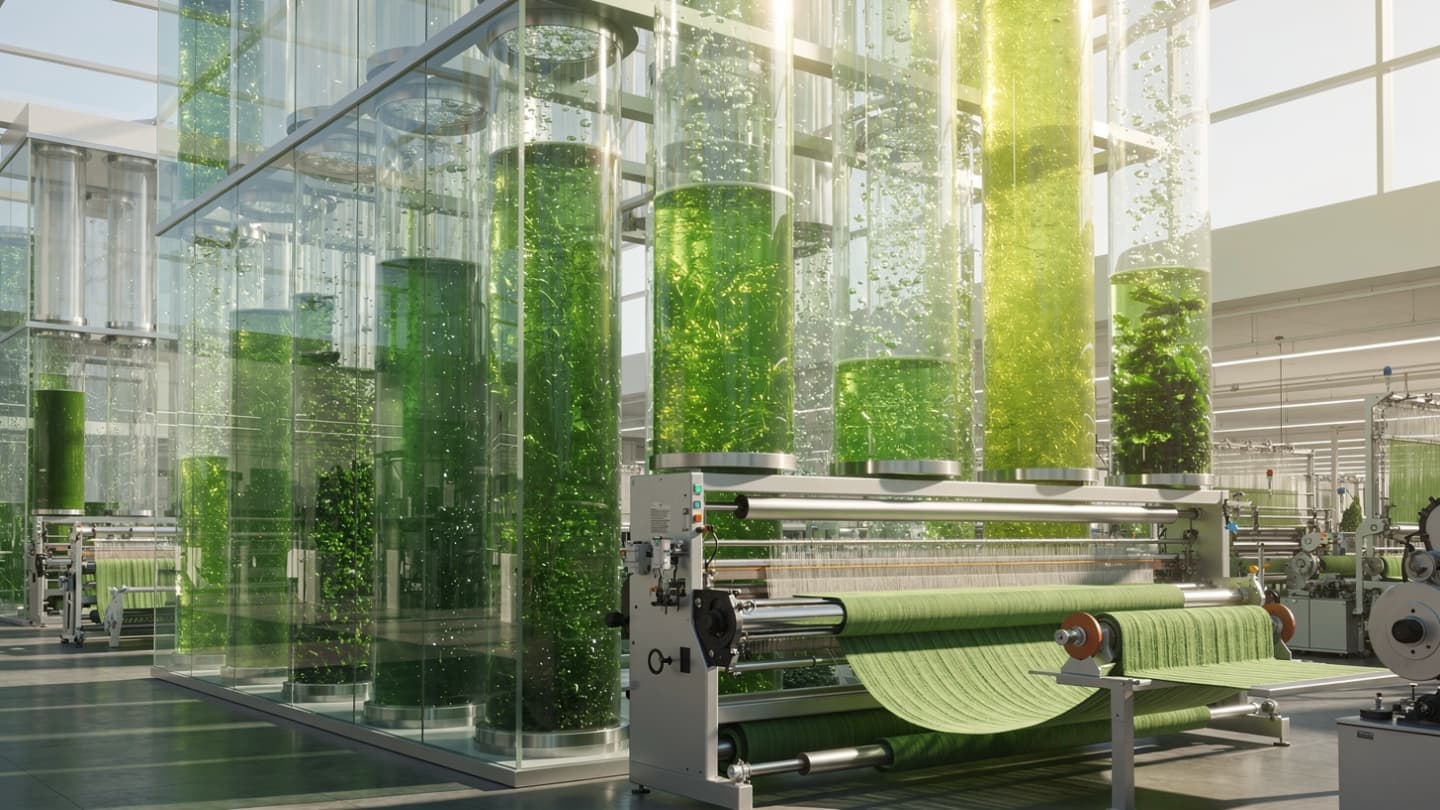
Carbon-negative textiles are revolutionizing the fashion industry by utilizing captured CO2 and algae to create high-performance fabrics that store greenhouse gases instead of emitting them.

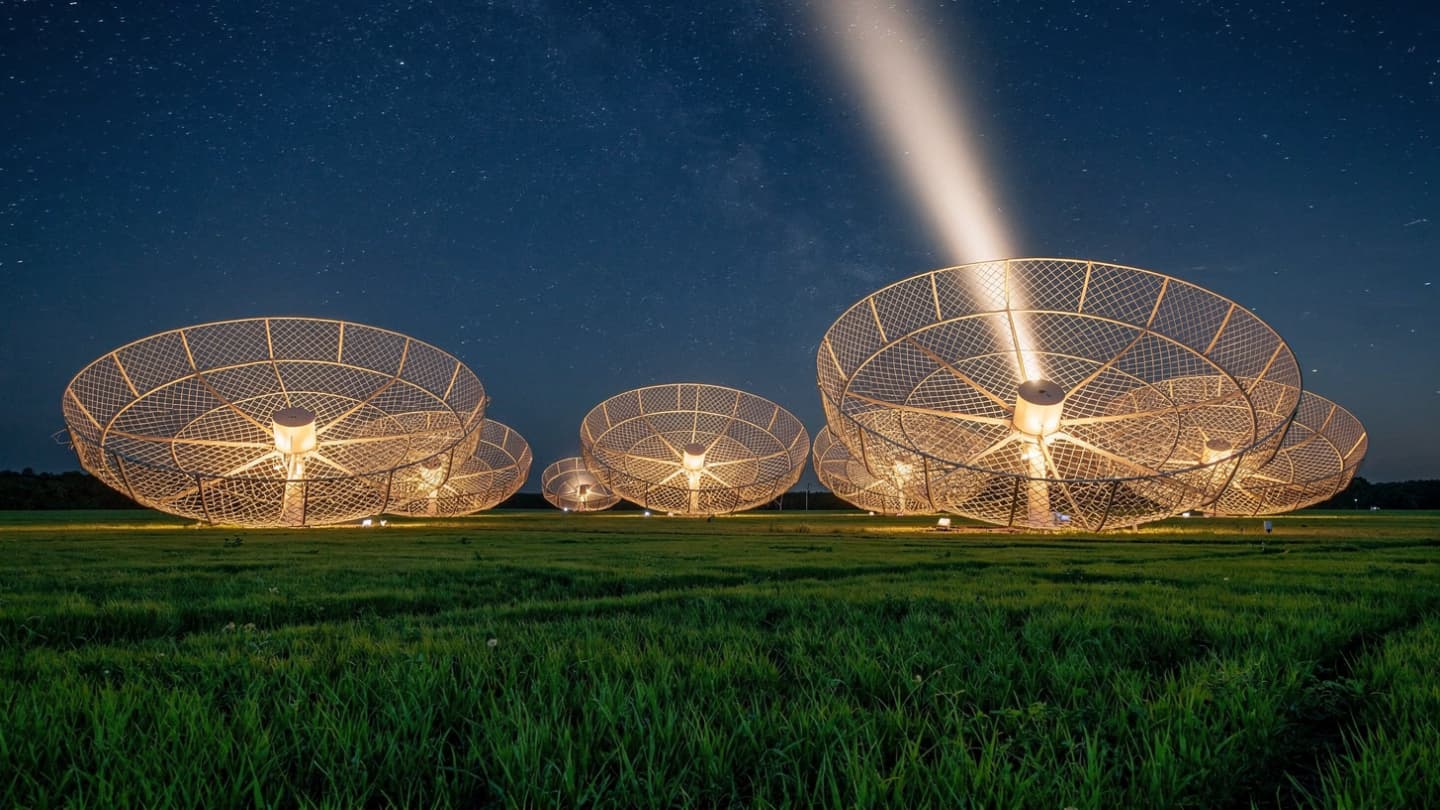
Space-Based Solar Power involves capturing sunlight in orbit and beaming it to Earth via microwaves, providing a constant, 24/7 source of renewable energy that is unaffected by weather or night.

Smart windows utilize electrochromic technology to dynamically adjust their tint in response to sunlight, drastically reducing building energy use by controlling heat and glare without blocking views.

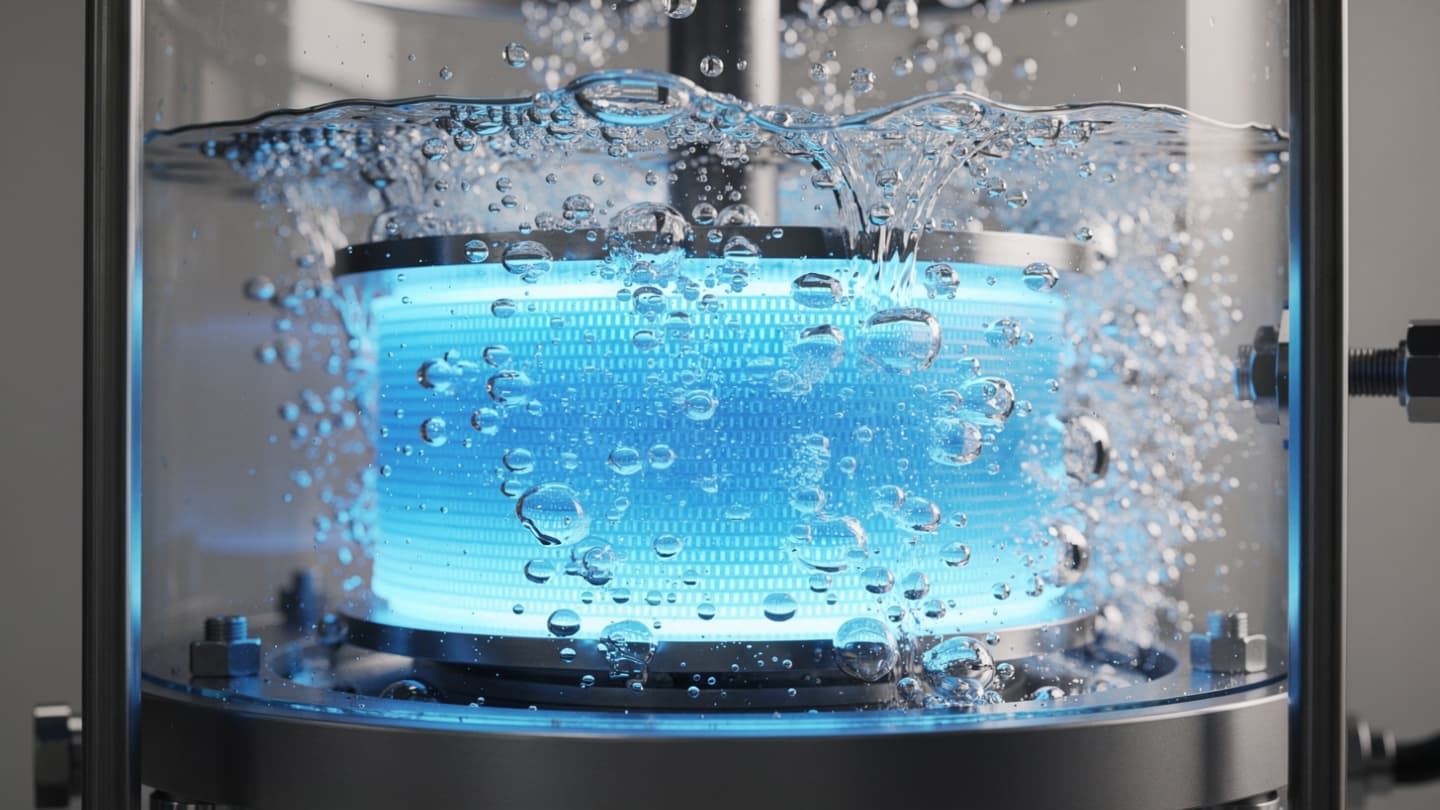
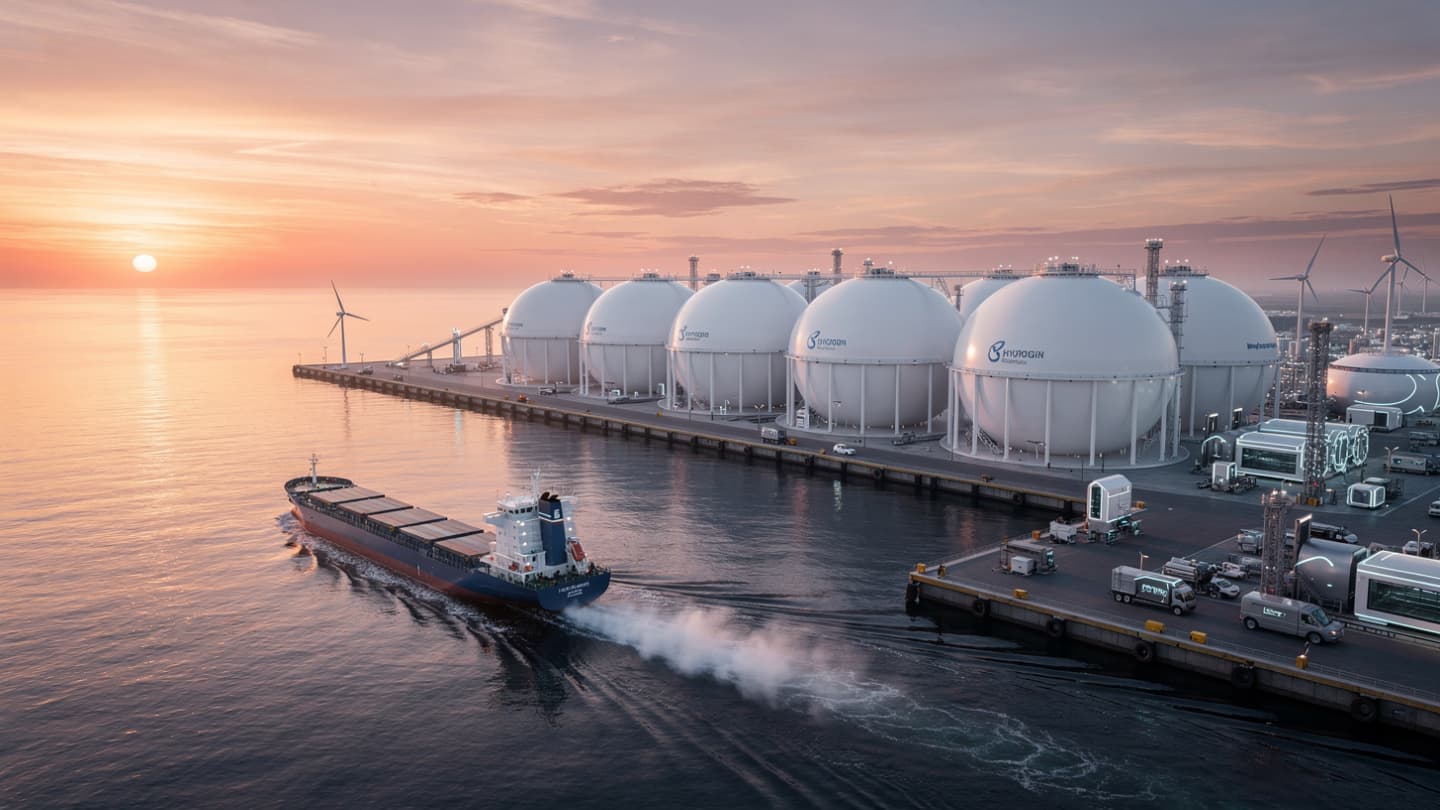
Green hydrogen is emerging as the "Swiss Army knife" of decarbonization, using renewable energy to split water into a clean fuel that can power heavy industry and long-distance transport without CO2 emissions.

Direct Air Capture technology is actively removing carbon dioxide from the ambient air, providing a scalable solution to reverse historical emissions by chemically capturing and permanently storing carbon in underground rock formations.

Solid-state batteries are replacing liquid electrolytes with solid ceramics or polymers, offering a safer, more energy-dense, and faster-charging alternative that will redefine the range and reliability of electric transportation.

Bioluminescent plants, engineered with the light-producing genes of natural organisms, are being integrated into urban landscapes as self-sustaining, zero-emission lighting solutions that reduce energy costs and light pollution.

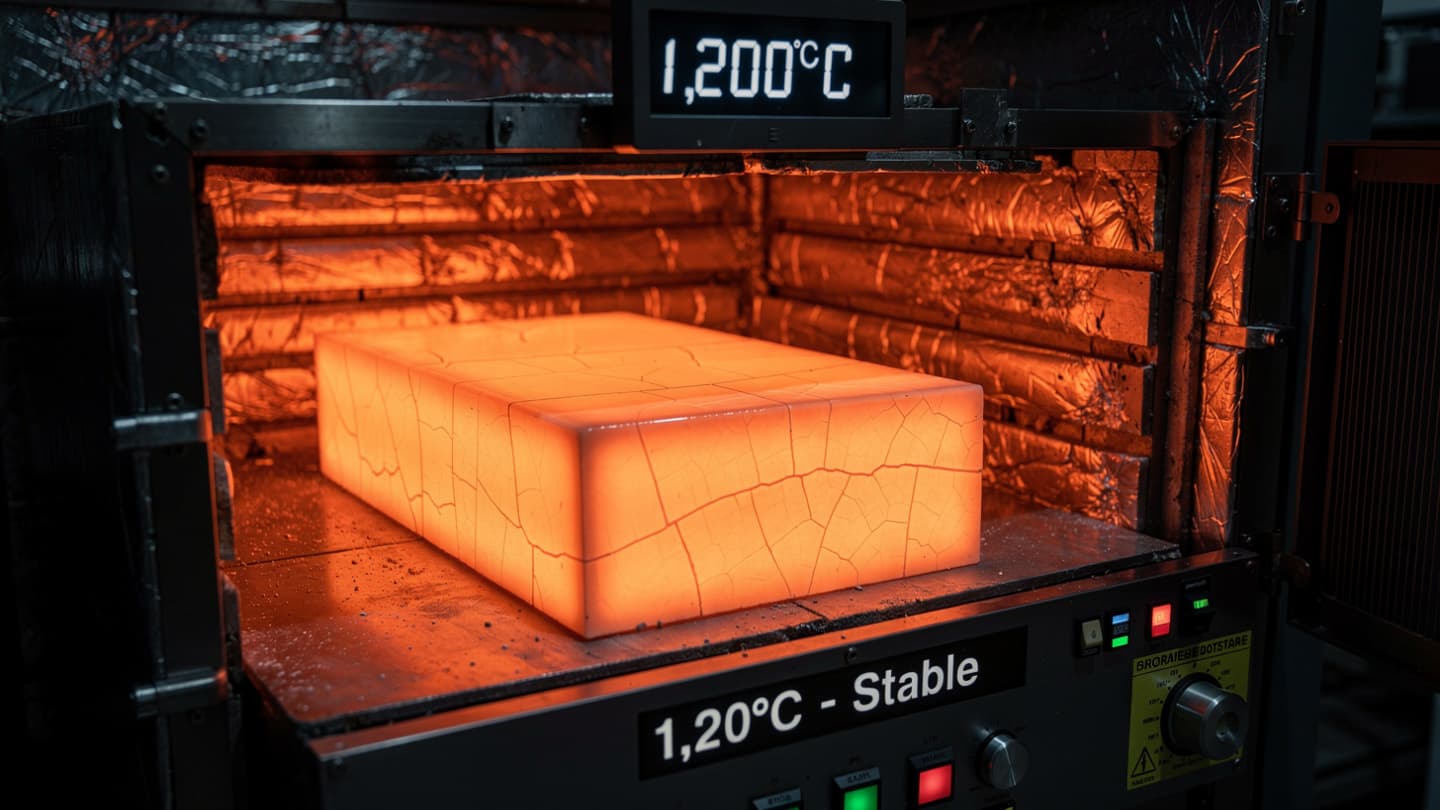
Thermal batteries are revolutionizing industrial energy by storing renewable power as high-intensity heat in materials like sand and ceramics, providing a low-cost, zero-emission alternative for heavy industry and grid stability.

Medical micro-robots are transforming surgery and drug delivery by allowing for non-invasive, highly targeted treatments that minimize trauma to the body and significantly shorten recovery times.
.jpeg&w=3840&q=75)
Quantum positioning systems are revolutionizing navigation by using super-cooled atoms to track movement with extreme precision without relying on satellites, offering an unjammable and autonomous alternative to GPS.

Bio-concrete utilizes embedded bacteria to automatically repair cracks by producing limestone, significantly extending the lifespan of infrastructure and reducing the environmental and financial costs of maintenance.

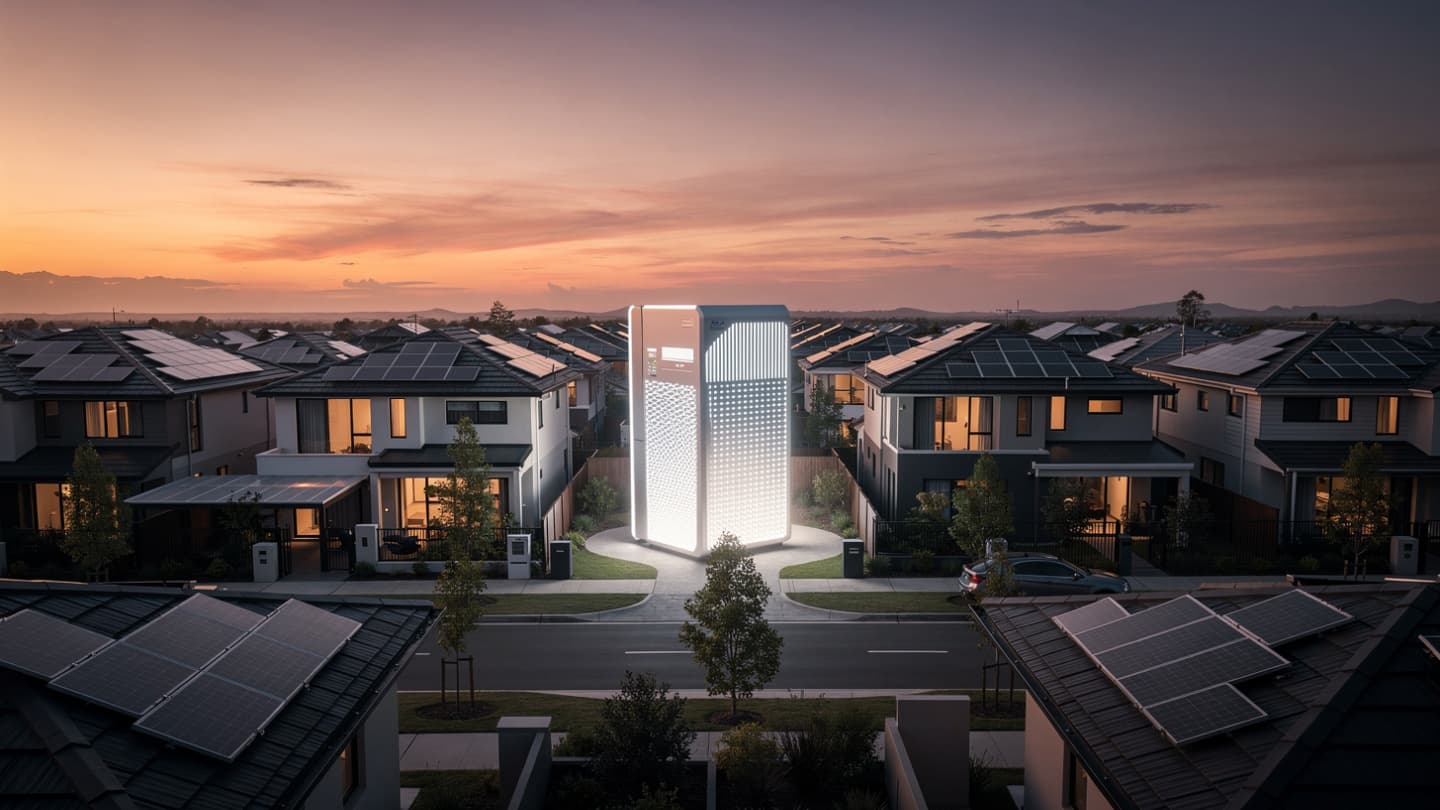
Smart micro-grids are decentralizing the power industry by enabling local communities to generate and share their own renewable energy, providing a resilient and autonomous alternative to traditional central grids.

Wearable exoskeletons are enhancing human strength and restoring mobility by providing synchronized mechanical support, offering a transformative solution for industrial safety and geriatric care.

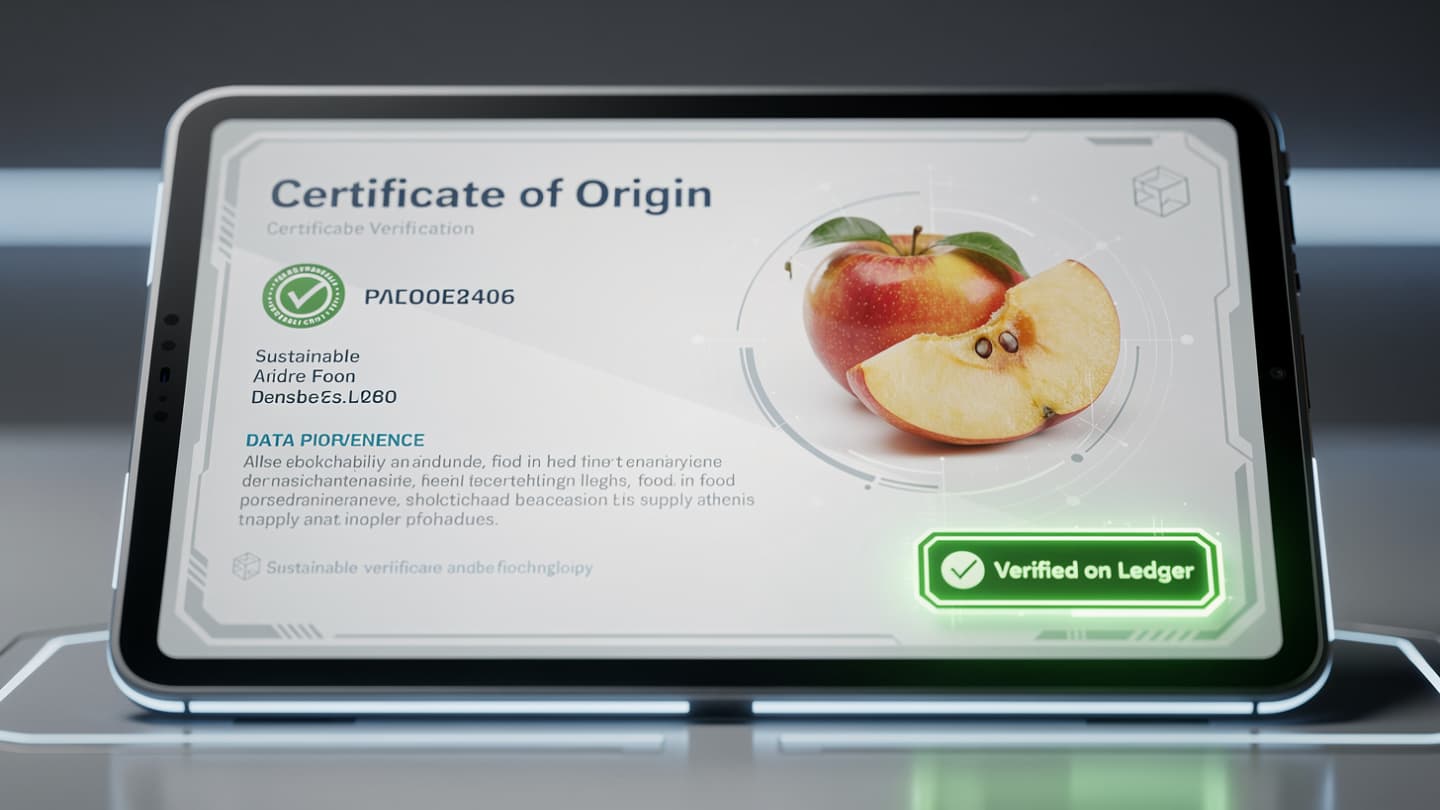
Distributed ledger technology is decentralizing the way we record and verify information, creating transparent, tamper-proof systems for everything from land titles to supply chains without the need for central intermediaries.

Seaweed-based bio-plastics are replacing fossil-fuel plastics with home-compostable, ocean-safe alternatives, offering a regenerative solution to the global waste crisis while utilizing carbon-sequestering marine crops.

Wearable air purifiers are providing individuals with a mobile, high-tech defense against urban pollution and allergens, creating a personalized "bubble" of clean air using advanced filtration and ionization.

Vertical farming is transforming urban landscapes into productive agricultural hubs, using controlled environments and nutrient-rich mists to grow sustainable, pesticide-free food with minimal water and zero transport emissions.

Electrochromic glass is revolutionizing urban architecture by providing dynamic, ion-based tinting that reduces energy consumption and enhances occupant comfort without sacrificing natural light.

Green hydrogen is revolutionizing heavy industry and transport by converting renewable electricity and water into a clean fuel, providing a zero-emission solution for sectors that cannot be easily electrified.

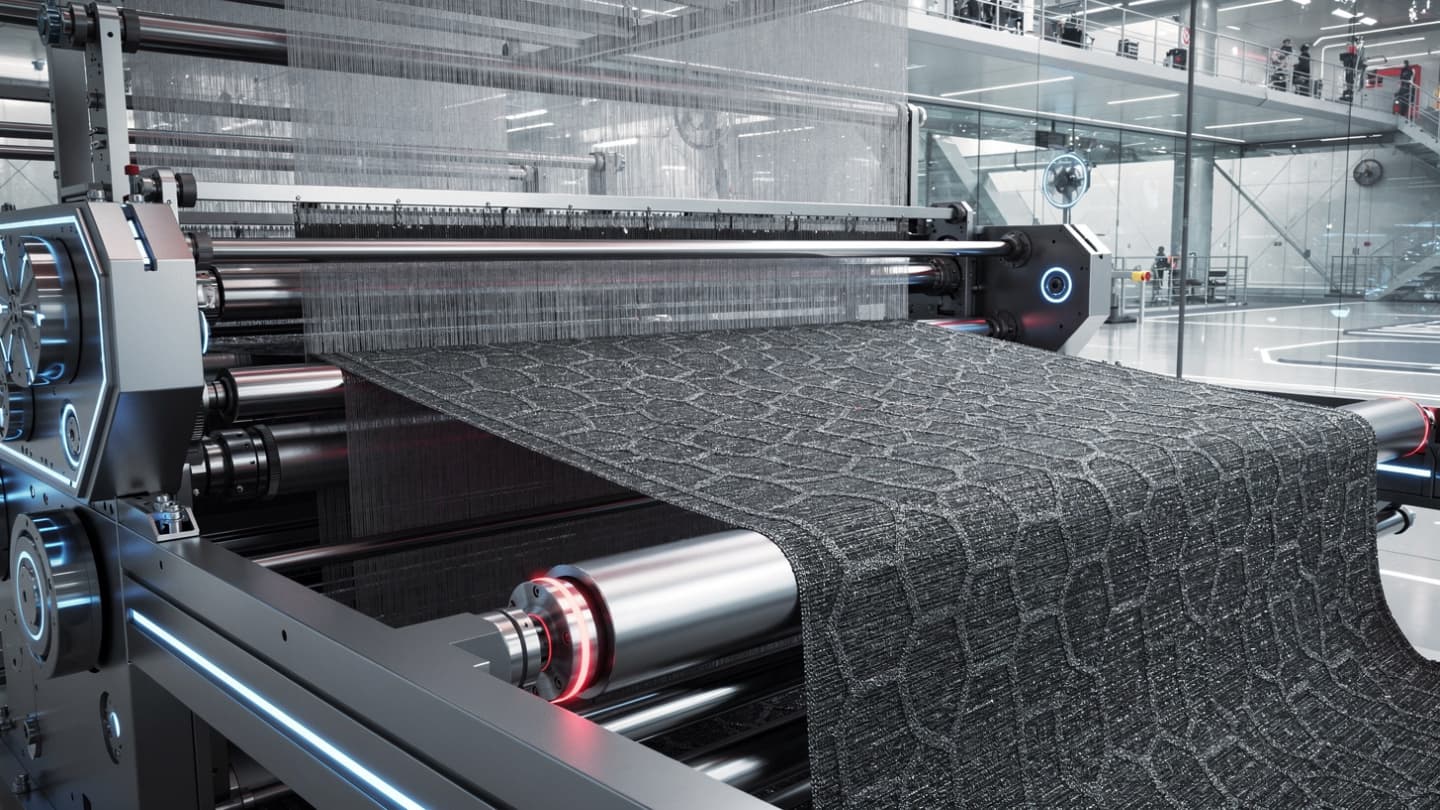
Graphene-infused textiles are revolutionizing the material world by creating fabrics that are incredibly strong, lightweight, and electrically conductive, enabling a new generation of smart clothing and resilient infrastructure.

Solid-state batteries are replacing liquid electrolytes with solid materials like ceramics, offering safer, faster-charging, and significantly more energy-dense power for the future of transportation and electronics.

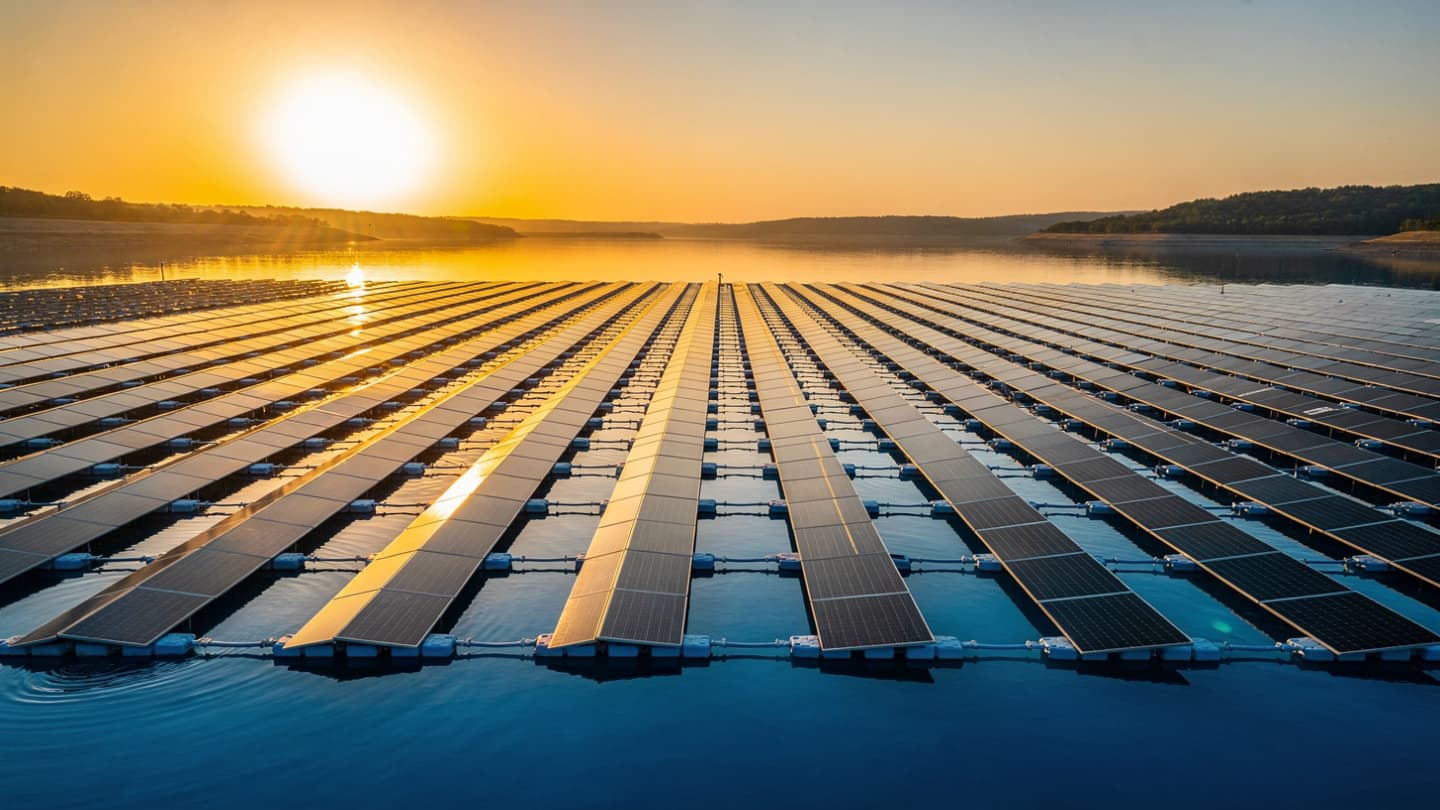
Floating solar technology is expanding renewable energy capacity by utilizing water surfaces, increasing panel efficiency through natural cooling while preserving land and reducing water evaporation.