The Architecture of Diversification: A Narrative of the Nikkei Forum
The 2026 Nikkei Forum highlights Asia's tech industry's strategic pivot toward supply chain diversification to ensure resilience against geopolitical and economic volatility.

The 2026 Nikkei Forum highlights Asia's tech industry's strategic pivot toward supply chain diversification to ensure resilience against geopolitical and economic volatility.

Despite historic wage increases in 2026, Japan continues to face labor shortages, highlighting the ongoing structural shift toward a more valued and automated workforce.

The University of Tokyo’s GCI World 2026 program aims to democratize AI education globally, focusing on ethical implementation and bridging the digital divide.

An IMF report highlights the resilience of Japan's 2026 economy, driven by strong domestic demand and significant wage growth despite global volatility.

Japan’s 2026 diplomatic push for ASEAN integration focuses on digital trade and green energy, fostering a regional partnership centered on shared economic resilience.

Japan’s new eco-tourism initiative seeks to balance environmental conservation with international tourism, revitalizing rural areas through sustainable and immersive nature experiences.

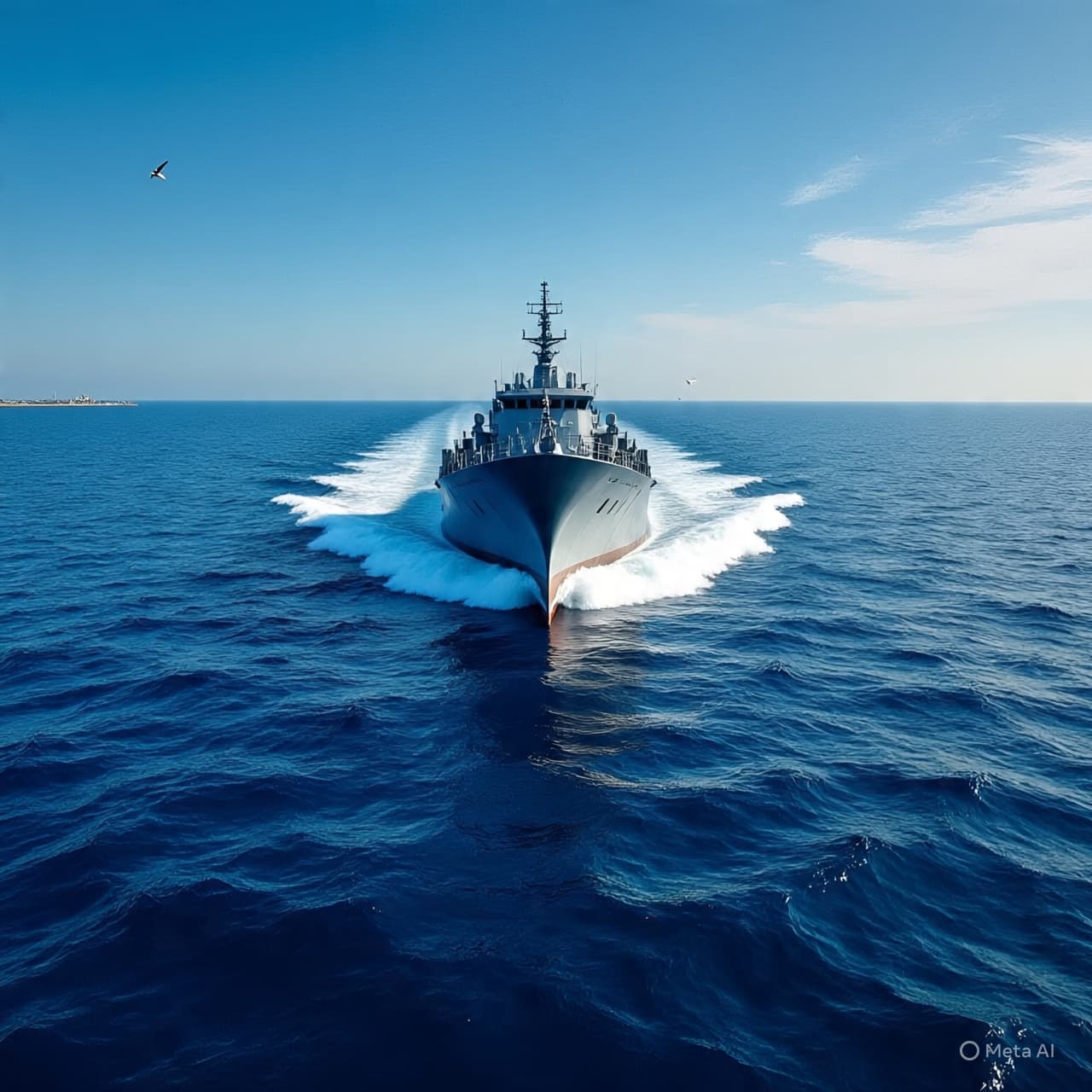
Japan's leadership in a multinational maritime coalition aims to secure the Strait of Hormuz, ensuring the safe passage of global energy supplies and merchant vessels.

Prime Minister Takaichi’s diplomatic mission to Australia marks a pivotal step in securing Japan’s rare earth supply chain through sustainable and strategic international partnerships.

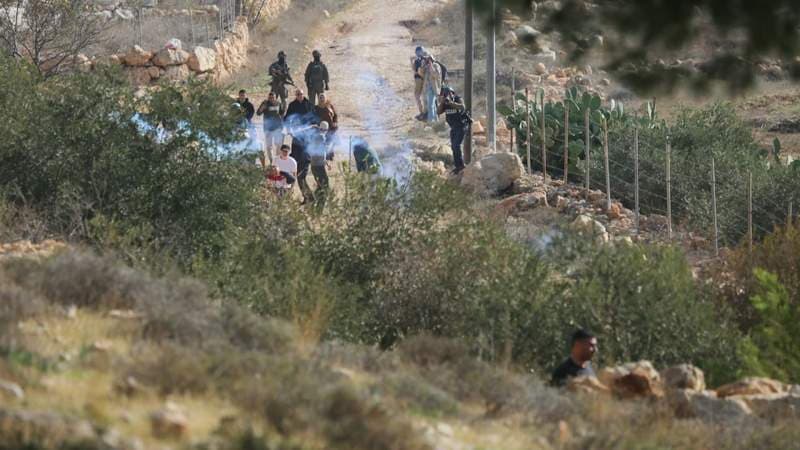
A series of retaliatory attacks by Jewish settlers in the West Bank have resulted in the burning of farms and buildings, following an incident where Palestinian protesters threw stones at settlers. This escalation of violence raises significant concerns about ongoing tensions in the region.

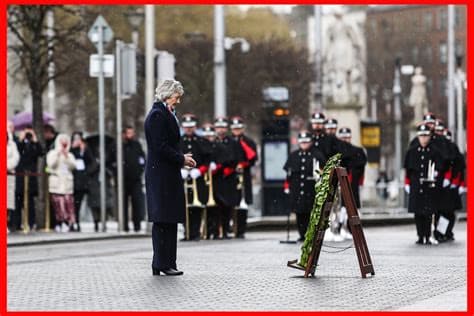
Relatives of those who participated in the 1916 Rising gathered at the General Post Office (GPO) to honor their ancestors’ sacrifices. The commemorative event was described as both "respectful" and "moving," reflecting the profound impact of the historical uprising on Irish identity.

Iran has reportedly permitted the United States to conduct a rescue operation for downed pilots, a move interpreted as an effort to prevent political drama that could benefit Trump.

A coordinated pan-India operation has resulted in the arrest of two individuals in Mumbai, suspected of orchestrating a plan involving a toy car bomb. The operation highlights ongoing threats to national security and raises alarms about emerging tactics employed by terrorist groups.

The death of Aubrey McKay while incarcerated at Wallens Ridge Prison in Virginia has been officially ruled a homicide by the state medical examiner. This ruling has raised serious questions regarding the conditions and safety protocols within the facility.

Labour plans to reverse its stance on banning foie gras and fur in a strategic move to secure a trade deal with the EU. Animal welfare charities have expressed their disappointment over this decision, calling it a betrayal of manifesto commitments.

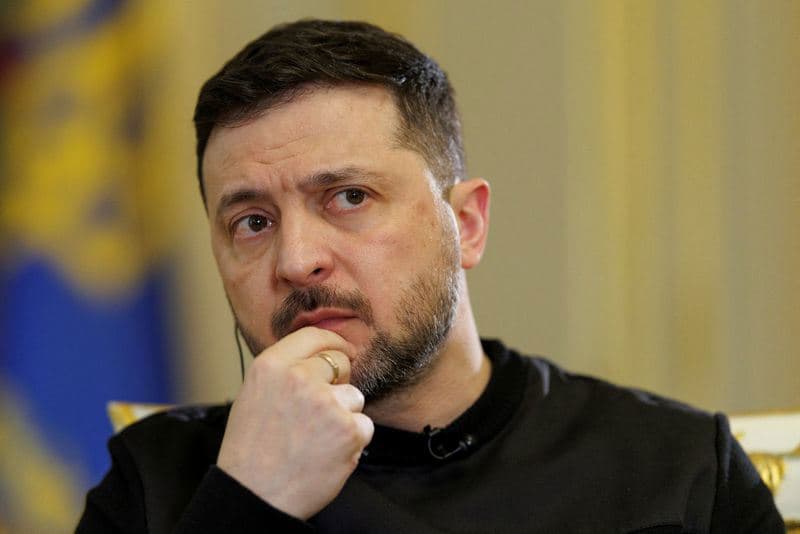
Ukrainian President Volodymyr Zelenskiy has reportedly arrived in Syria for a meeting with President Bashar al-Sharaa, marking a significant diplomatic engagement between the two nations amidst the ongoing conflict in Ukraine and regional tensions.

In a recent meeting, OPEC+ members have tentatively agreed to a theoretical increase in oil output. This decision comes at a time of significant geopolitical tension caused by the ongoing conflict in Iran, which has disrupted production and influenced global oil prices.

The Mexican art community is in an uproar over plans to send several masterpieces by Frida Kahlo to Spain for an exhibition. The decision has ignited fierce discussions about cultural heritage and national identity.

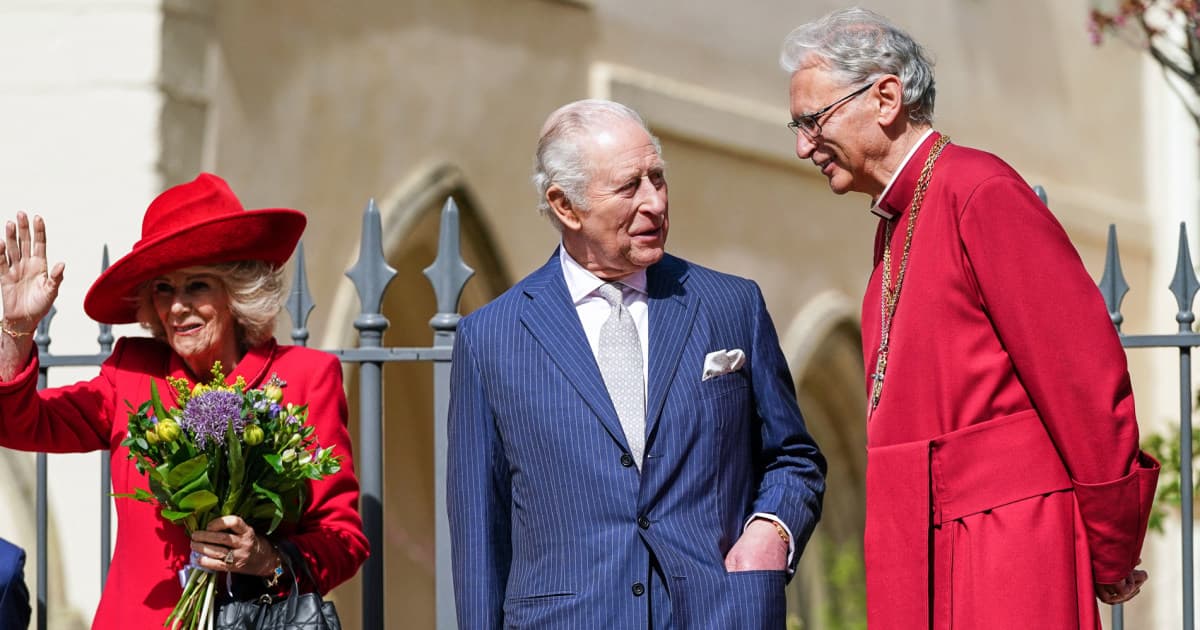
Prince Andrew and his family were notably absent from the British royal family's Easter service this year, drawing attention amidst ongoing discussions about their roles within the monarchy.

A recent missile barrage attributed to Iran has left six individuals wounded in northern Israel. The attack has heightened tensions in an already volatile region, prompting international concern and calls for restraint.

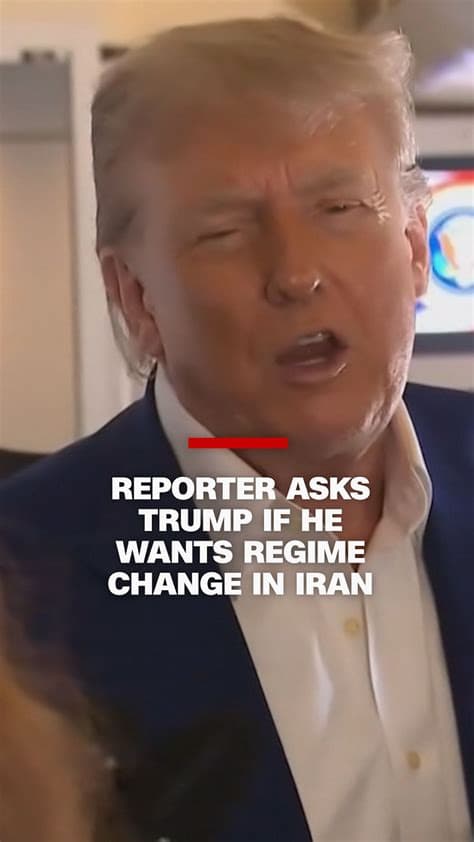
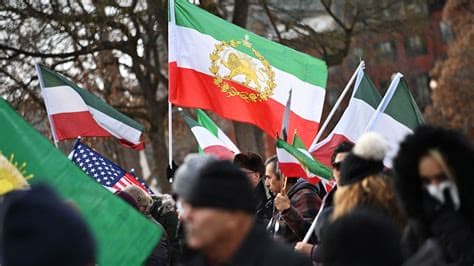
In a recent statement, President Trump revealed a controversial decision to supply arms to protesters in Iran. This move raises questions about U.S. foreign policy and the implications for regional stability.

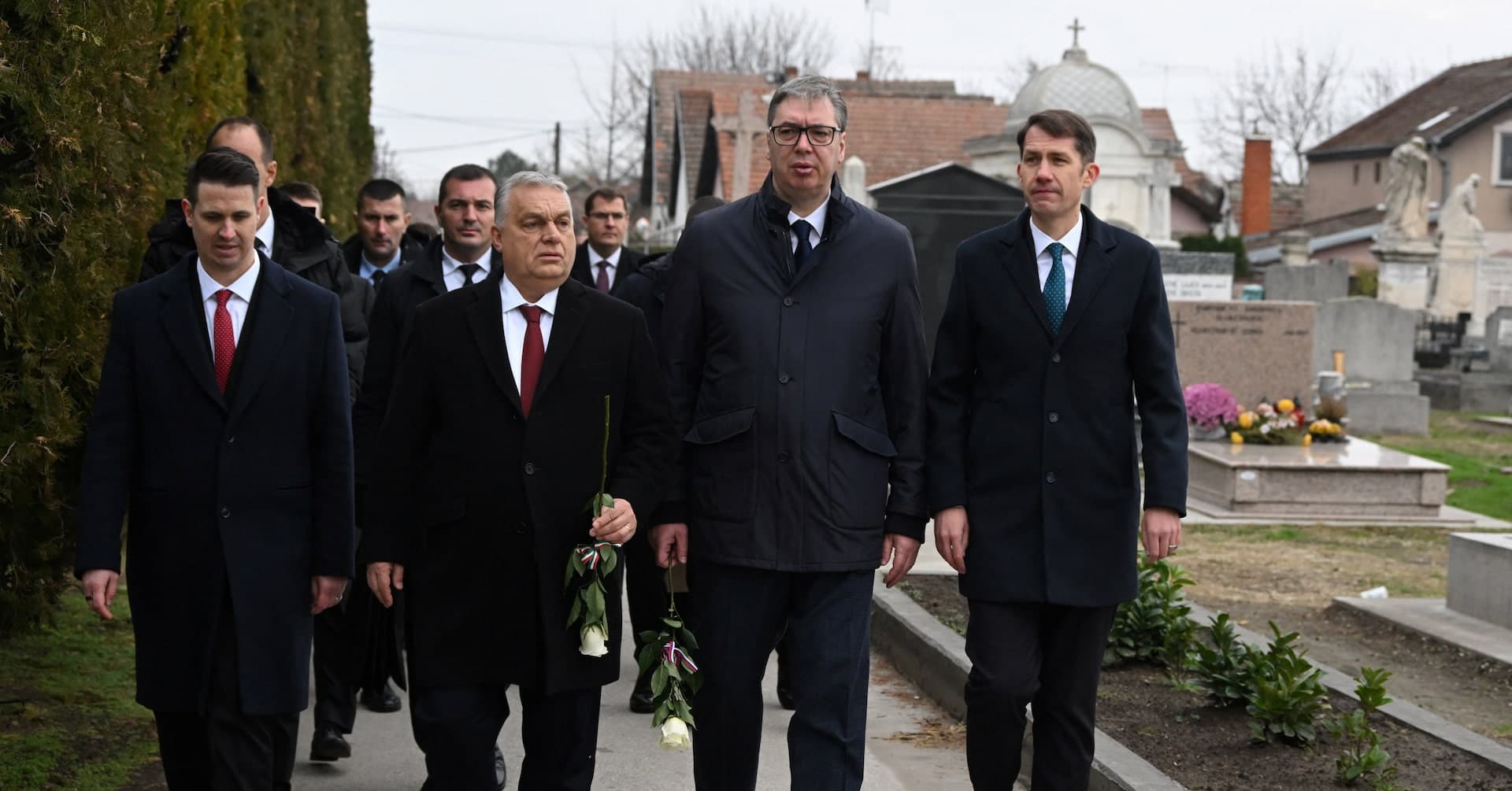
Hungarian Prime Minister Viktor Orban convened an emergency meeting after explosives were discovered near a gas pipeline that supplies Russian gas to Hungary. This incident comes at a crucial time as Orban’s party is lagging in opinion polls ahead of national elections.

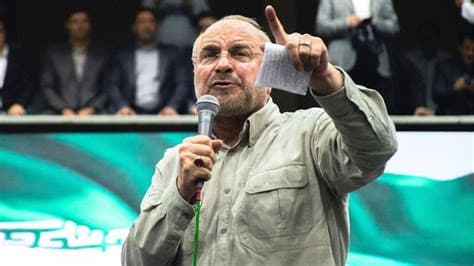
Iran's powerful parliament speaker warned U.S. President Donald Trump that his "reckless moves" would mean "our whole region is going to burn." This statement was made following Trump's aggressive rhetoric towards Iran and Israeli Prime Minister Benjamin Netanyahu's influence over U.S. policy.

On April 5, 2026, Russia urged the United States to abandon its "language of ultimatums" regarding Iran. This appeal came after a conversation between Russian Foreign Minister Sergei Lavrov and his Iranian counterpart Abbas Araqchi, emphasizing the need for diplomatic negotiations to de-escalate the ongoing conflict.

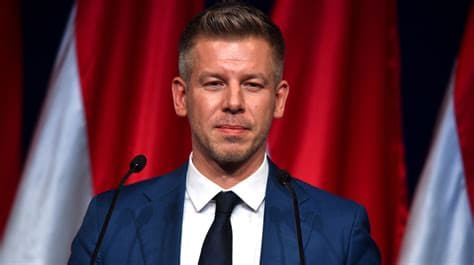
Péter Magyar, the leader of the opposition Tisza party, claims that the alleged sabotage attempt on a gas pipeline in Serbia is a tactical ploy orchestrated by Prime Minister Viktor Orbán. He warns that this incident may disrupt the upcoming elections scheduled for April 12.