After Artemis II, What New Journeys Await Beyond the Moon?
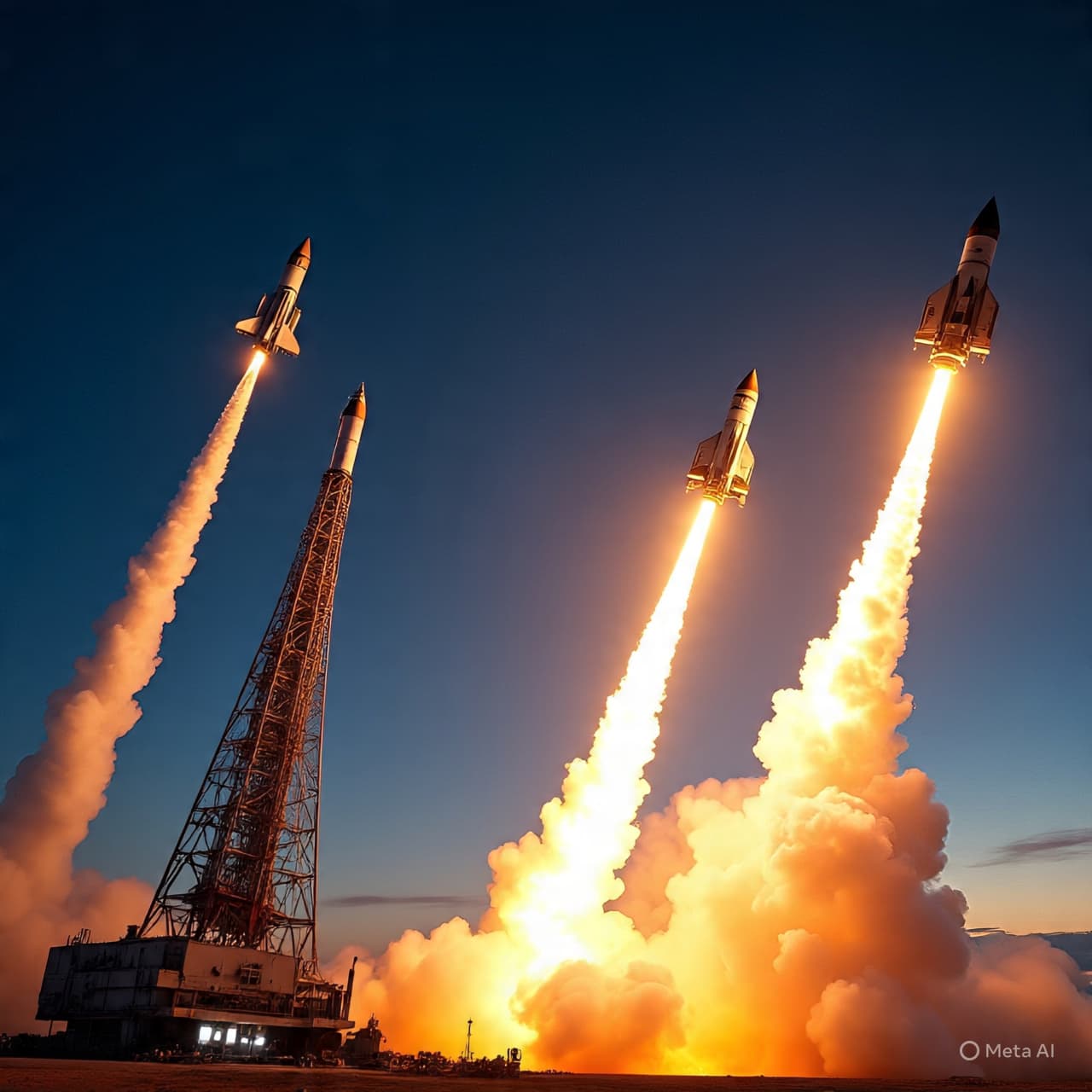
Six upcoming space missions following Artemis II aim to explore the Moon, Mars, asteroids, and deep space, marking a new phase of global exploration efforts.

Six upcoming space missions following Artemis II aim to explore the Moon, Mars, asteroids, and deep space, marking a new phase of global exploration efforts.

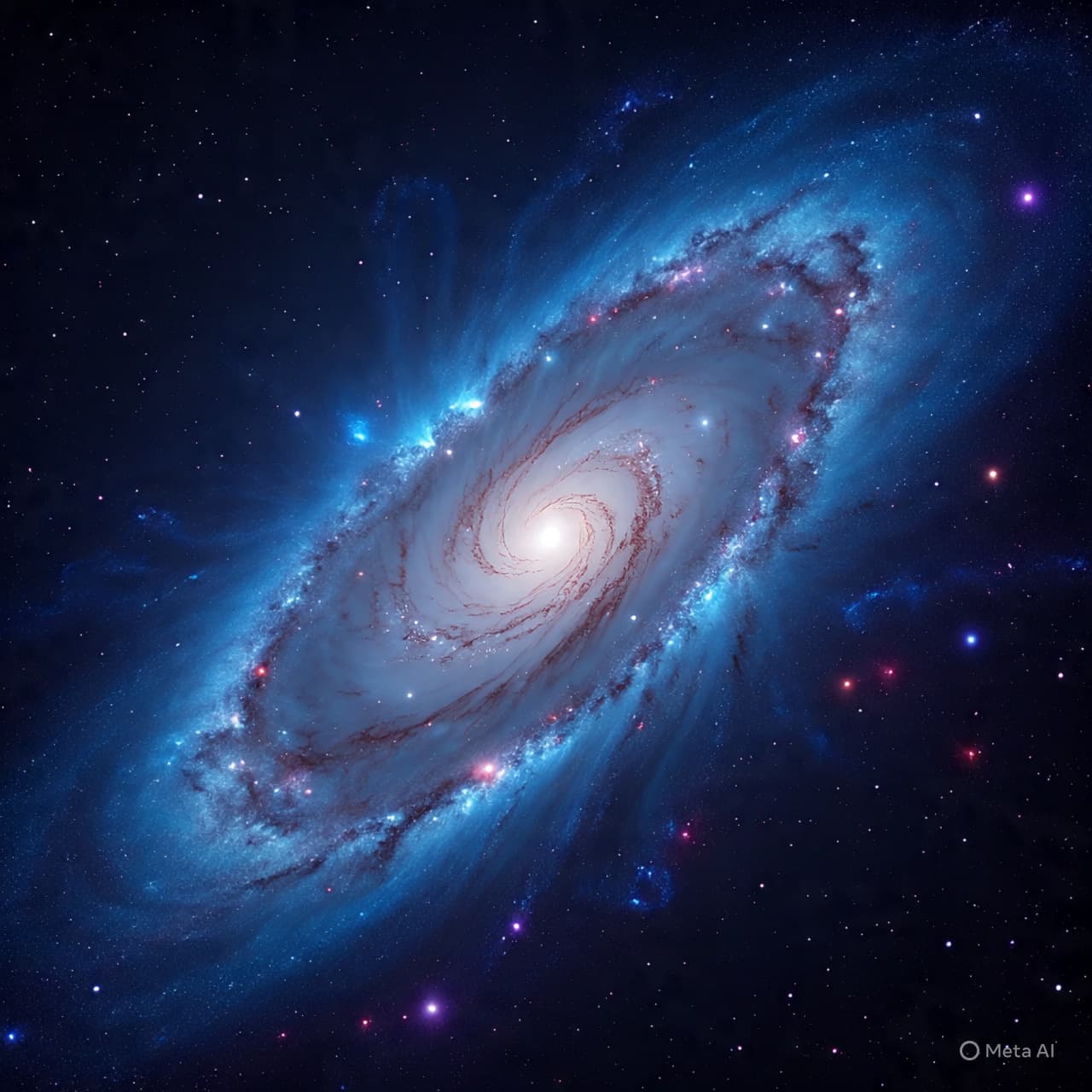
Astronomers identify three distinct subpopulations of merging black holes, revealing diverse cosmic origins and reshaping understanding of gravitational wave events.

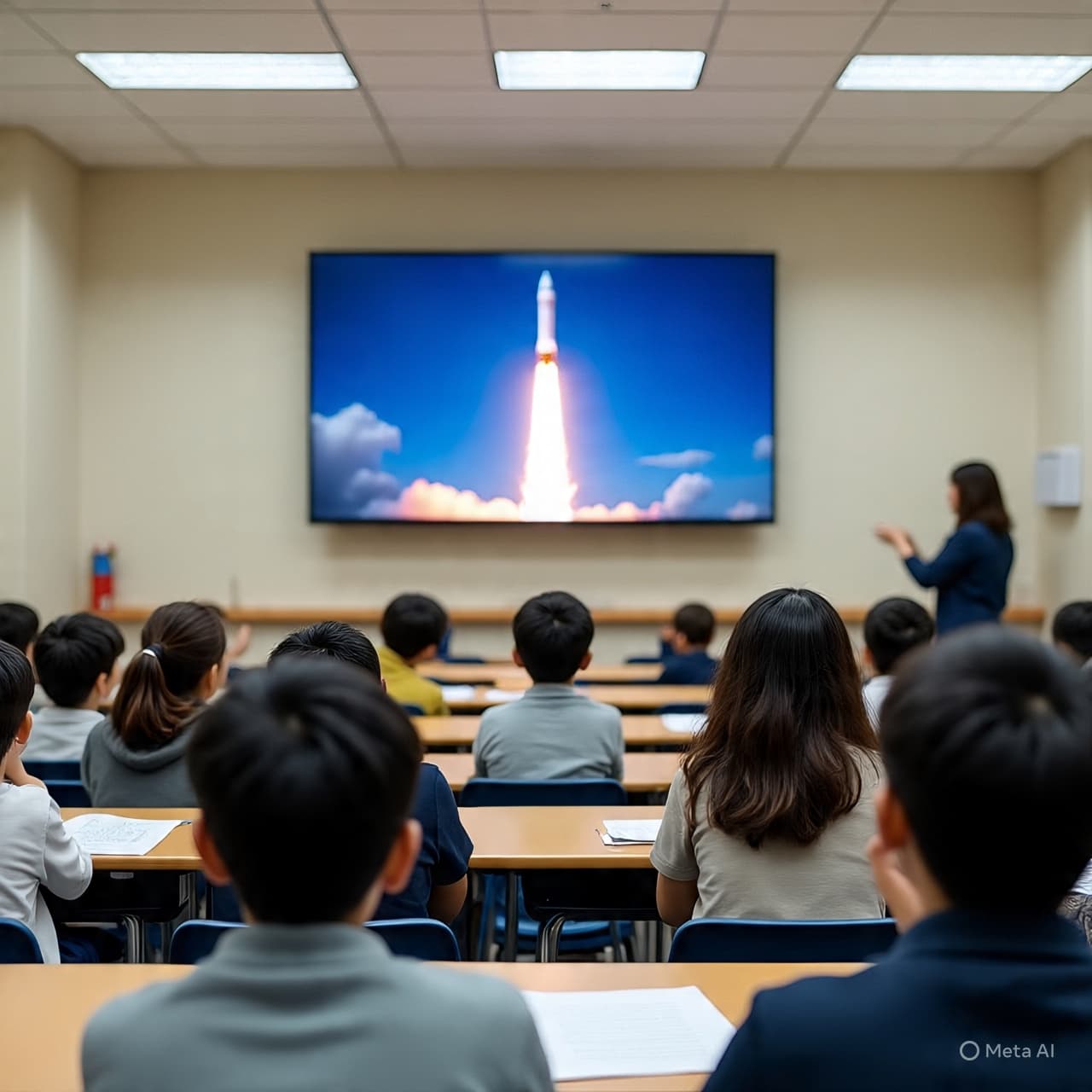
Artemis II is inspiring students worldwide by connecting space exploration with education, encouraging interest in science and future careers in STEM.

A Falcon 9 rocket launched the Cygnus spacecraft to deliver supplies and experiments to the ISS, supporting ongoing research and astronaut life in orbit.

Scientists have created “optical tornadoes,” structured light beams that swirl like vortices. This breakthrough could enhance particle manipulation, quantum research, and advanced optical technologies.

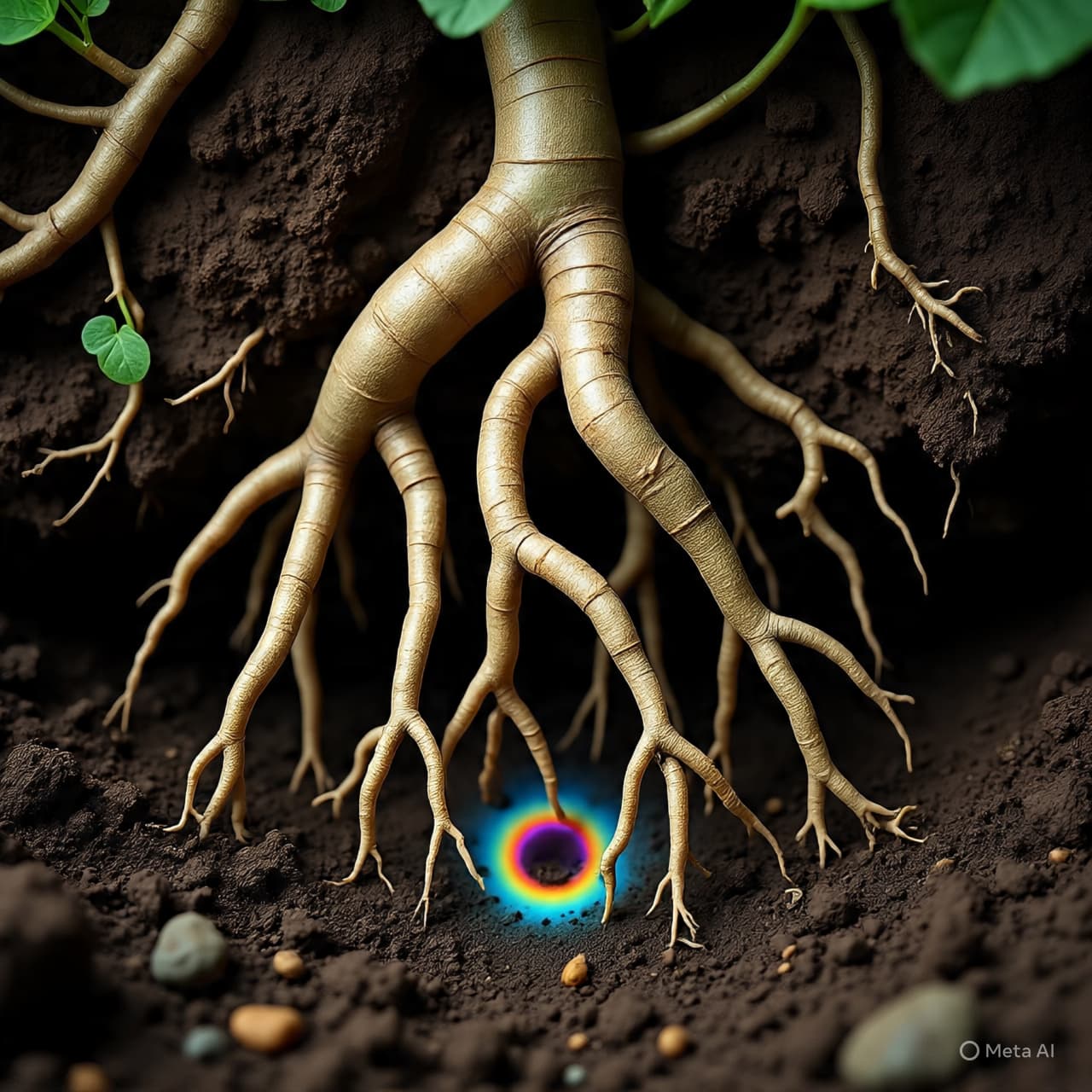
Scientists discovered that plants use internal temperature-sensing mechanisms to guide root growth, helping them adapt to heat and offering insights for climate-resilient agriculture.

Researchers at the University of Copenhagen have published a study demonstrating that glacial grime can be used as an effective, natural mineral fertilizer to restore nutrient-depleted soils.

Aarhus University has announced an enhanced support package for university spinouts focused on biosolutions and sustainable agricultural technologies.

The Artemis II crew, including a Canadian astronaut, returns to Houston after training, marking progress toward a historic lunar mission.

Astronomers have identified three distinct subpopulations of merging black holes, suggesting varied origins and reshaping understanding of cosmic evolution.

Off-roading at Oceano Dunes is temporarily restricted to protect the endangered western snowy plover during its nesting season.

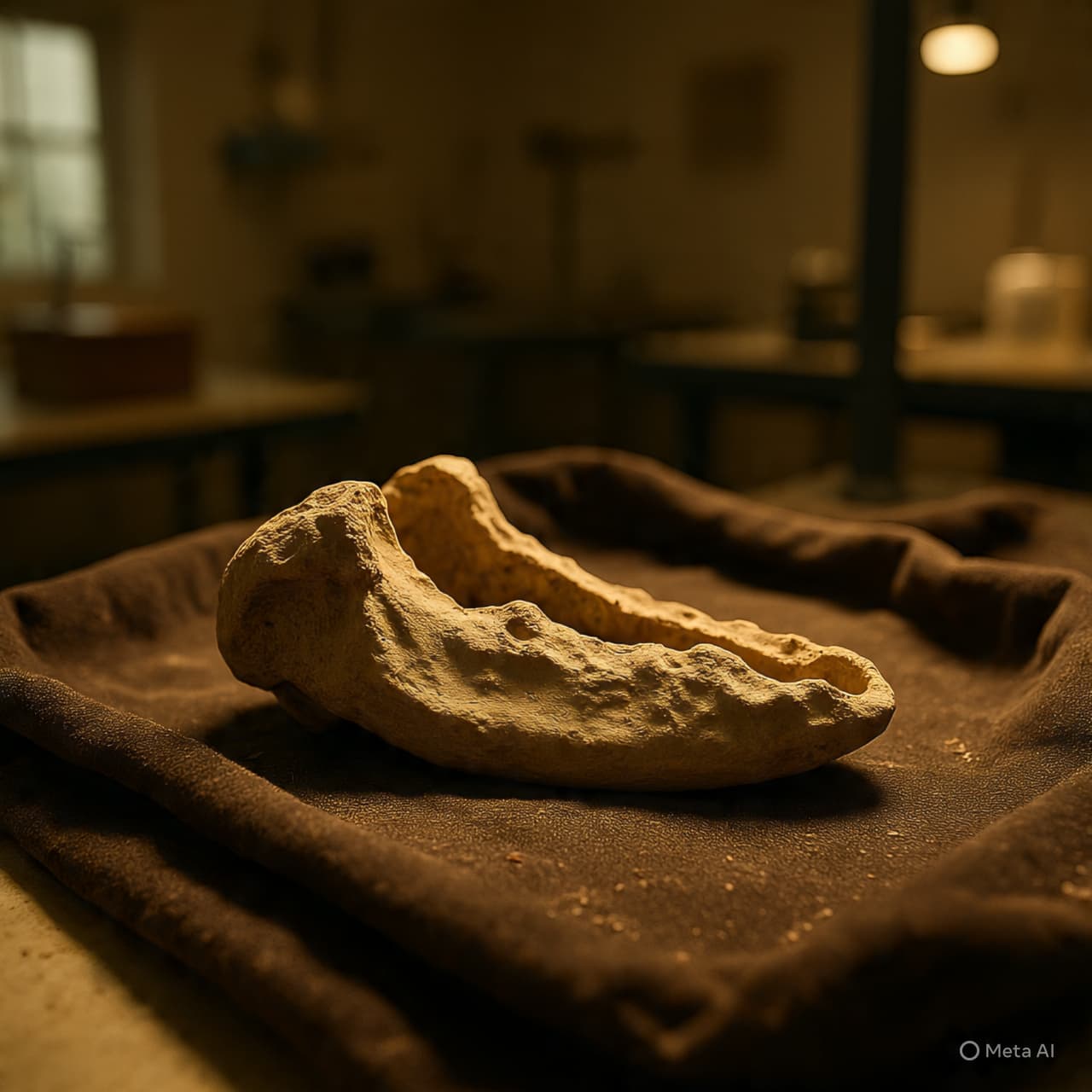
A newly discovered fossil suggests early ape evolution may not have been limited to East Africa, challenging long-standing theories.

NASA’s Artemis II astronauts return safely after a record-breaking lunar flyby, marking a major step toward future Moon missions.

The Scientific Quantum Conference in Denmark has produced a roadmap for a European-wide quantum infrastructure aimed at enhancing digital resilience

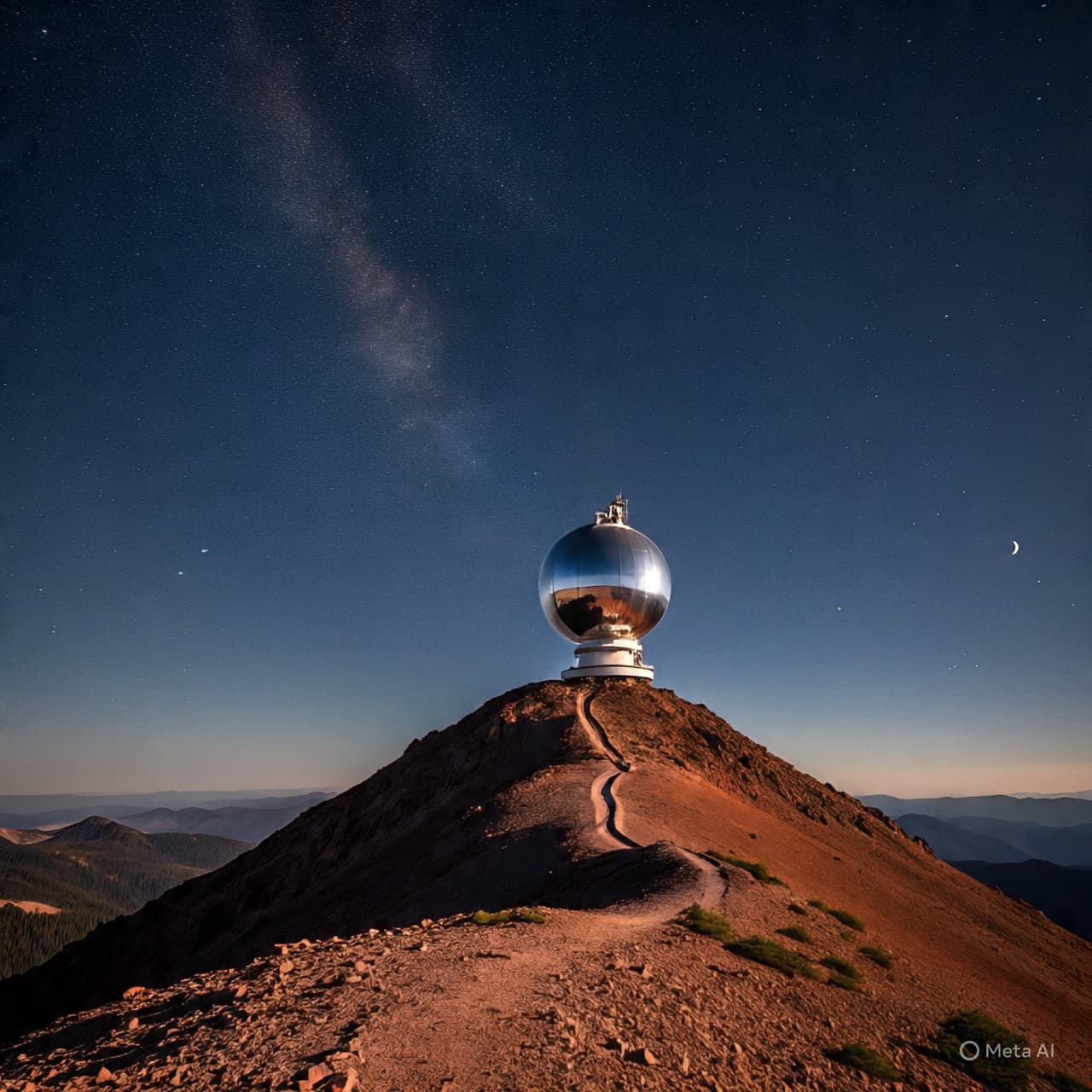
The FYST telescope in Chile has begun its mission to study interstellar gas and star formation from its high-altitude site, offering a new and unprecedented view of the submillimeter universe.

A new cultural collective empowers nomadic weavers in the Altai Mountains to bring their ancient craft and sustainable textiles to the global market.

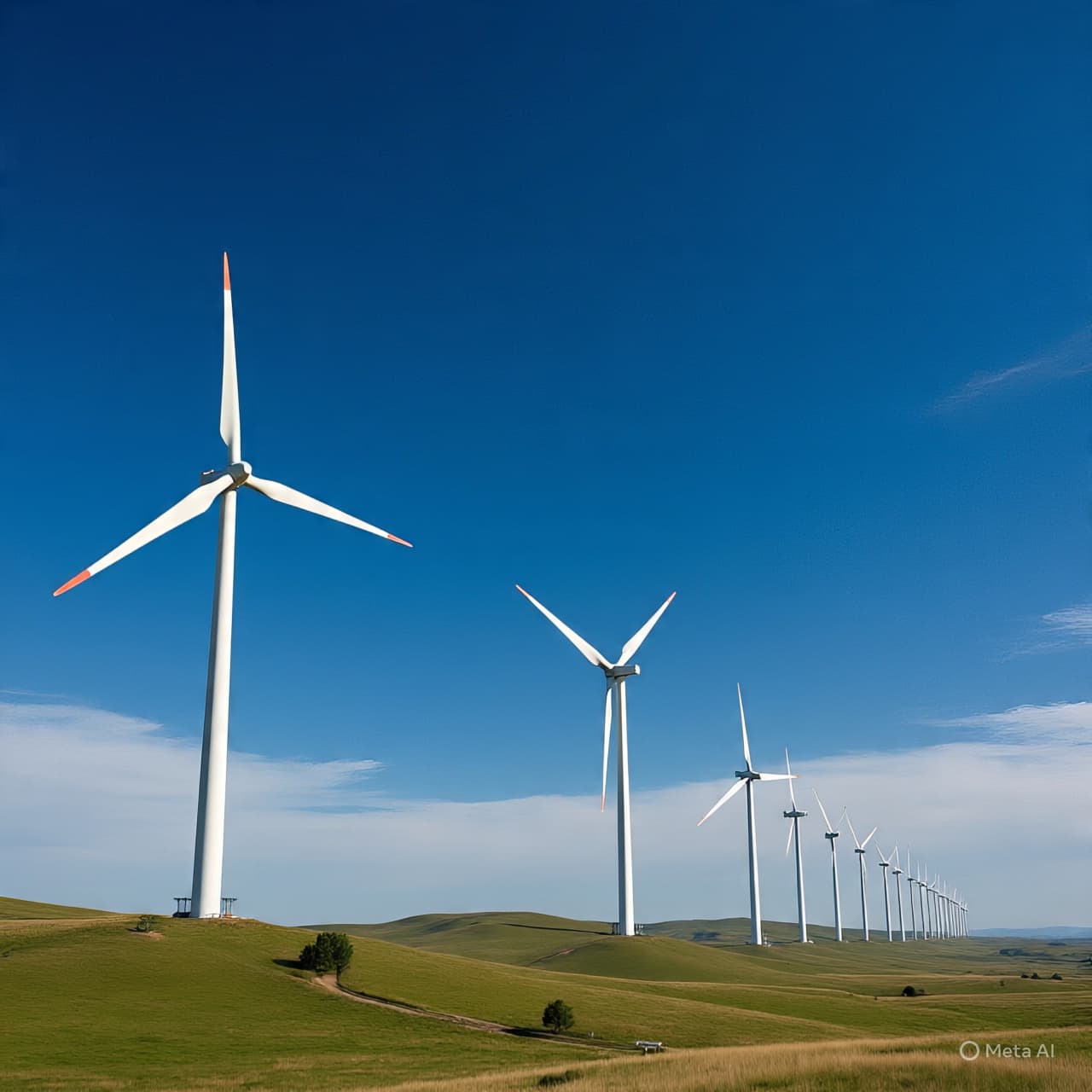
The Salkhit Wind Farm expansion marks a major milestone in Mongolia's journey toward renewable energy, harvesting the power of the steppe to fuel a cleaner future.

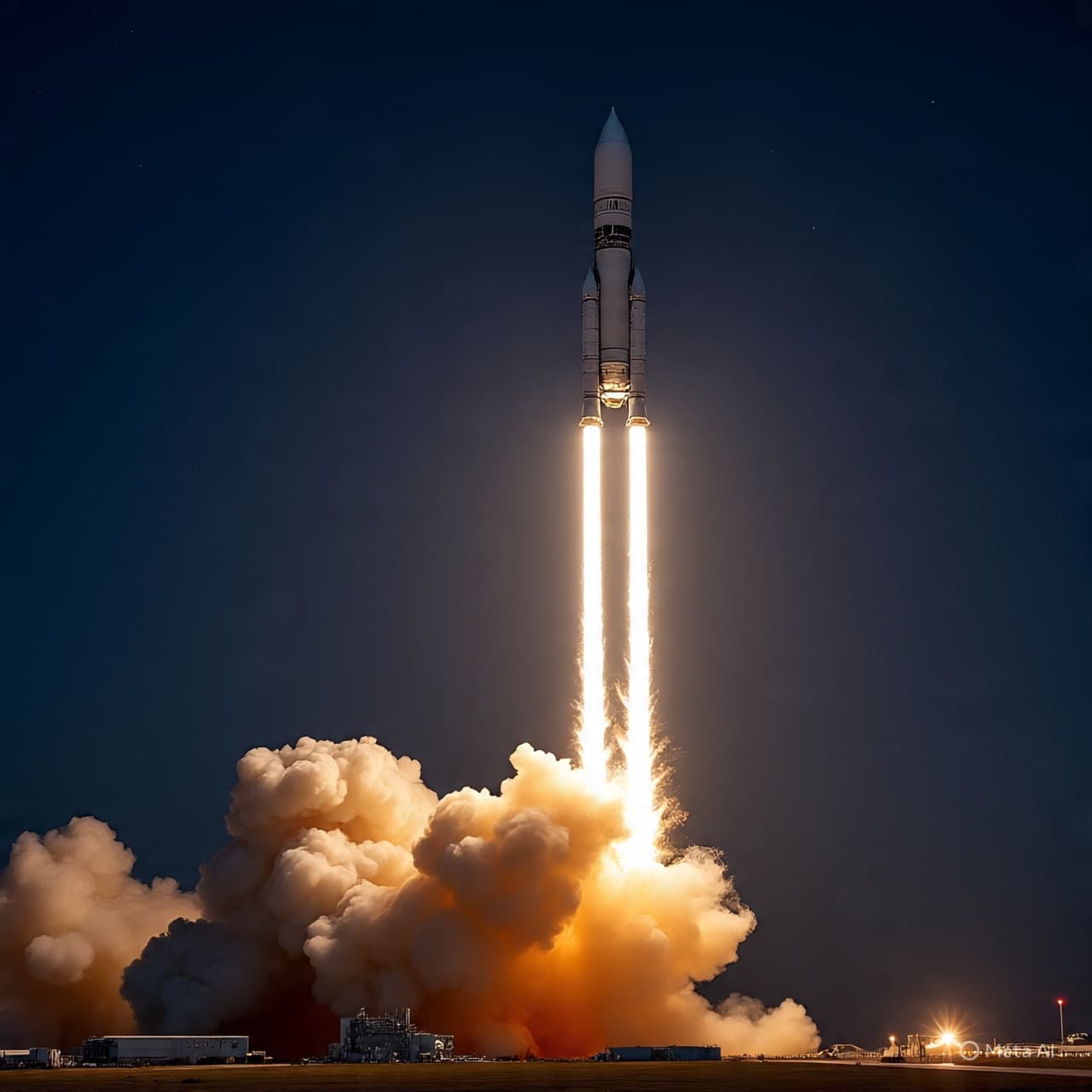
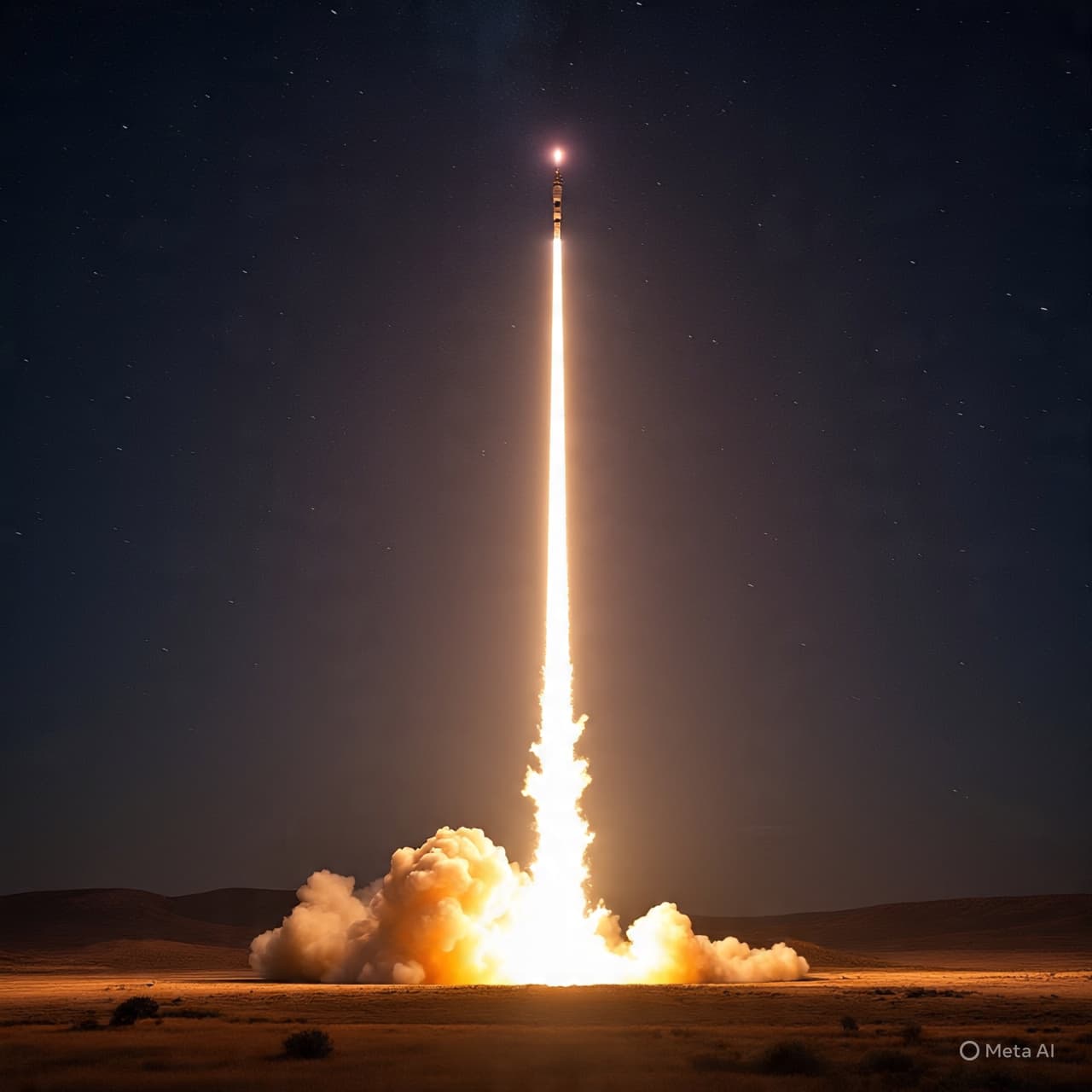
SpaceX launches the Cygnus XL cargo spacecraft carrying over five tons of supplies to the ISS, supporting astronauts and advancing research in orbit.

Researchers are using remote experiments on C. elegans nematodes in space to better understand and combat the significant bone and muscle loss suffered by humans during long-duration missions.

Astronomers have identified immense hydrogen gas reservoirs surrounding early galaxies, providing new evidence for how the first stellar systems gathered the raw materials necessary for cosmic growth.

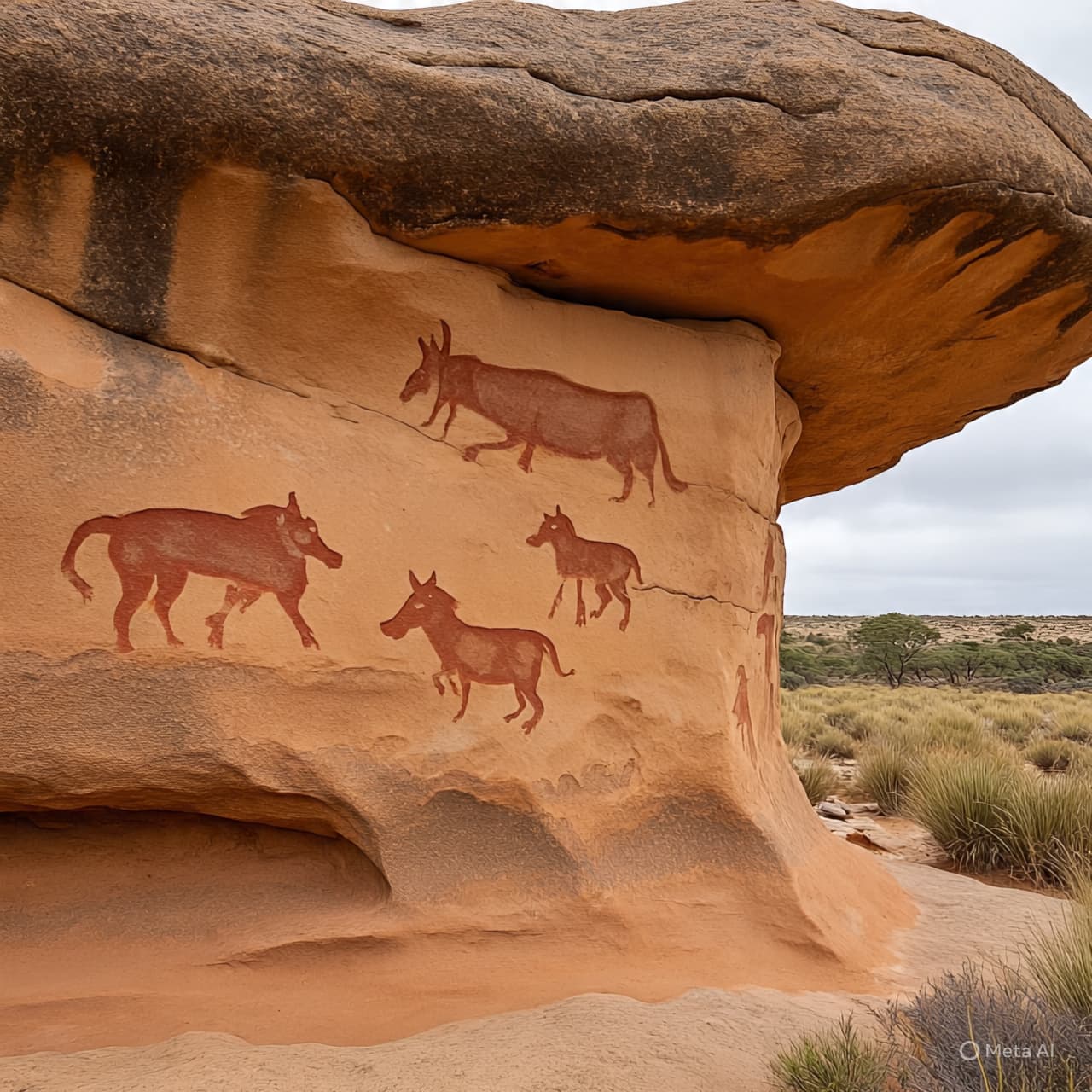
Ancient rock art discovered in Northern Australia reveals detailed depictions of Tasmanian tigers and devils, confirming their historic presence on the mainland and offering new insights into prehistoric biodiversity.

New chemical analysis suggests Neanderthals used birch tar not only as a glue but as a natural antibiotic and pain reliever, revealing a sophisticated understanding of ancient medicine.

Genomic analysis of ancient remains reveals that Europe's first dogs belonged to a distinct, now-extinct lineage that was later replaced by companions of migrating Neolithic farmers.

The Vera C. Rubin Observatory has identified over 11,000 new asteroids, dramatically expanding our map of the solar system and enhancing our ability to track potential orbital hazards.