
SCIENCE81% credibility
From shoreline remnants, a new path toward cleaner water quietly emerges
Scientists explore using seashells to remove heavy metals and purify water, offering a sustainable and low-cost environmental solution.
5 min read

Scientists explore using seashells to remove heavy metals and purify water, offering a sustainable and low-cost environmental solution.

New Zealand aerospace engineers have developed advanced star-tracking technology that allows satellites to navigate with high precision, marking a major advancement for the country’s space sector.
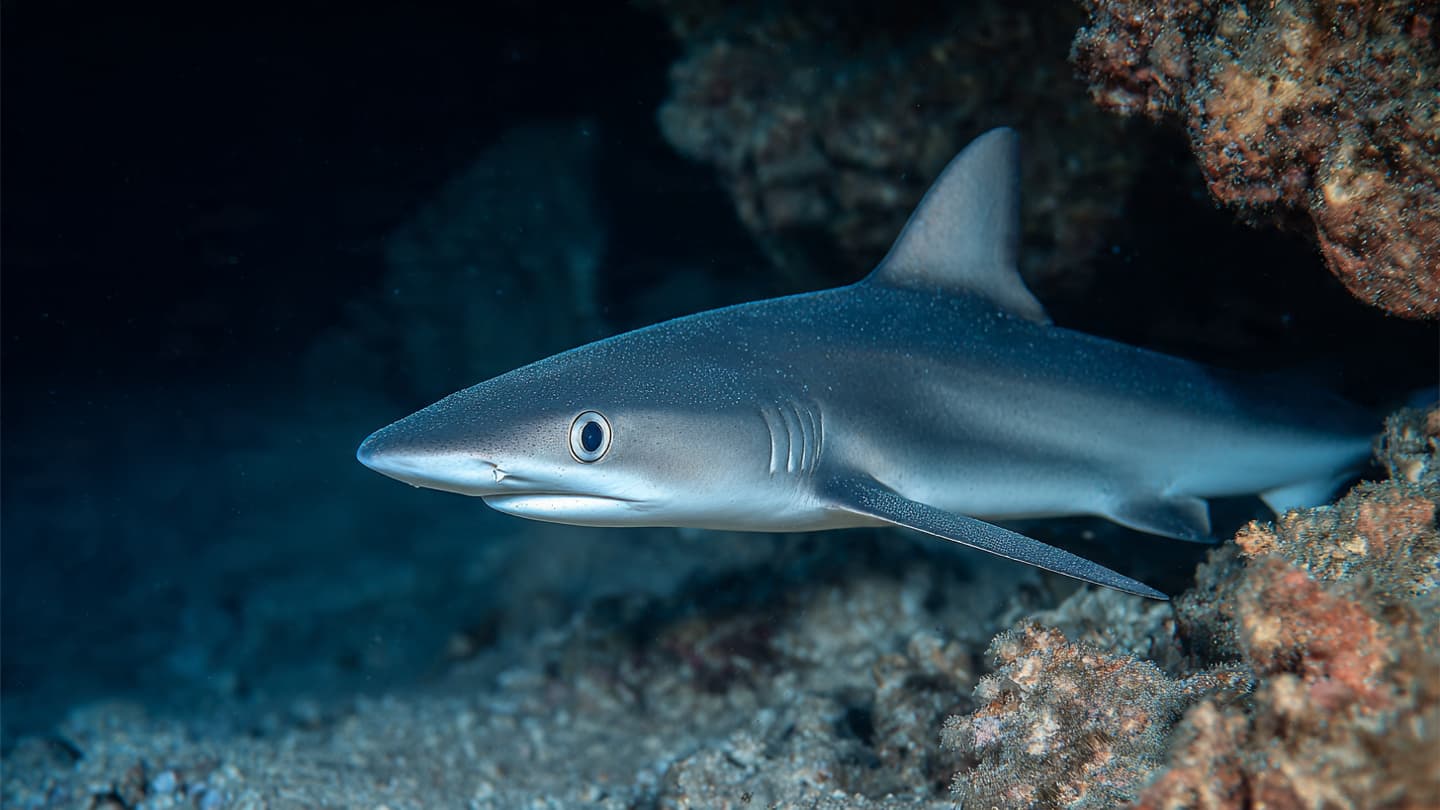
CSIRO researchers have discovered a new species of ghostly, pale catshark in Australia’s deep-sea canyons, highlighting the incredible and unexplored biodiversity of the nation's marine parks.

Scientists in Belgrade have refined the Milanković cycles using modern data, providing a clearer baseline for how Earth’s orbital shifts influence long-term climate patterns and ice ages.

A new geological survey of Serbia’s Rudnik Mountain has revealed significant mineral deposits and volcanic history, providing essential data for regional tectonic research and conservation.

Researchers have discovered that New Zealand bee propolis contains unique biochemical compounds that effectively reduce skin scarring and accelerate wound healing, offering a new natural dermatological treatment.
.jpeg&w=3840&q=75 "Where the Ancient Root Meets the Modern Leaf, Reflections on Australia’s New Genomic Library")
Australia’s CSIRO has launched a National Biodiversity DNA Library to sequence and preserve the genetic blueprints of native species, providing a vital tool for long-term environmental conservation.

The Astronomical Observatory of Belgrade is monitoring intense solar flare activity to understand its impact on satellite communications and maintain the legacy of Serbian celestial science.

Australian researchers identified over 110 new marine species, including rare catsharks, during a deep-sea expedition in the Coral Sea, providing vital data for global biodiversity conservation.

New Zealand scientists have uncovered a seismic "whiplash" effect that occurs when earthquakes stop suddenly, leading to new insights for engineering more resilient infrastructure in high-risk zones.
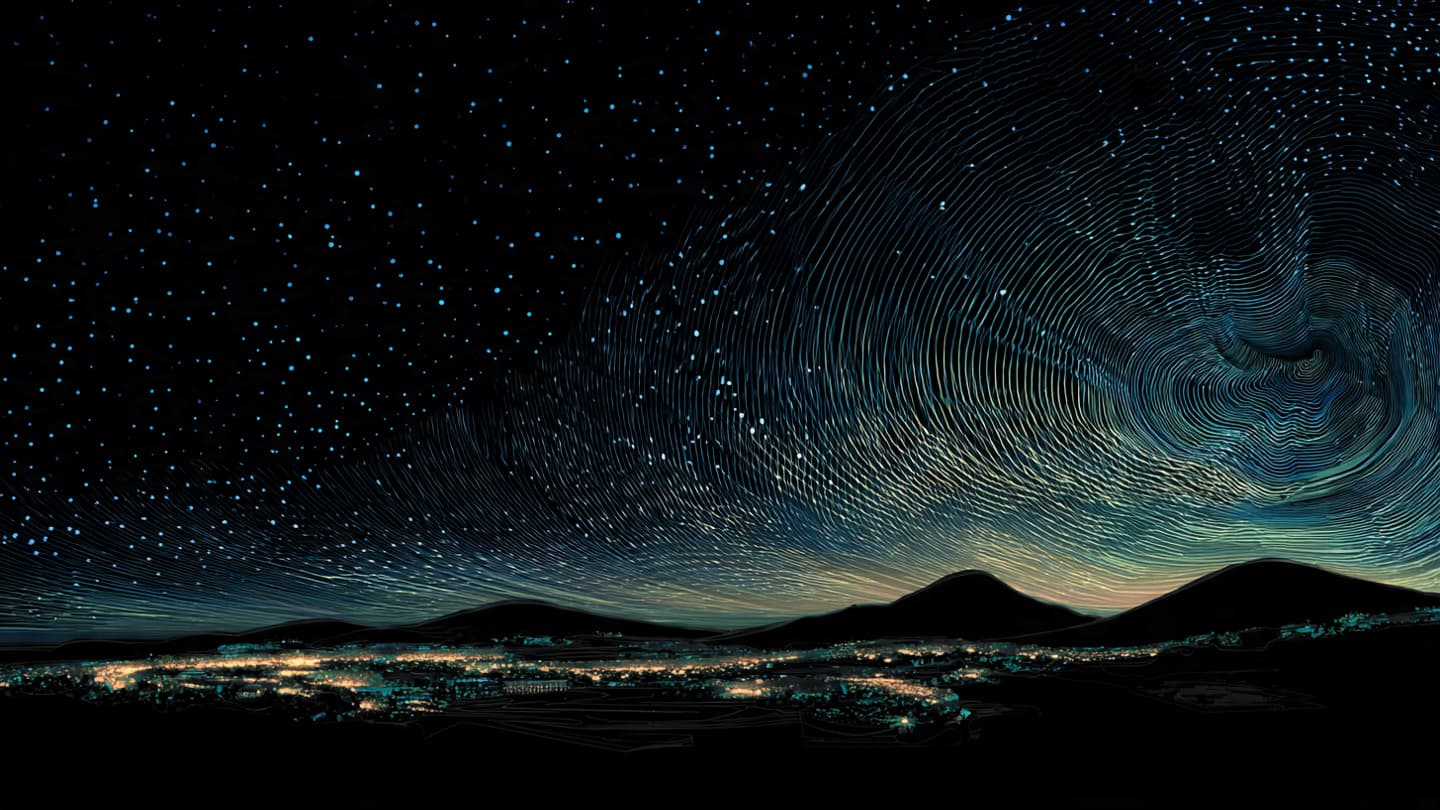
A strange light seen over New Zealand was likely caused by a Chinese rocket’s atmospheric effects.

Greenland has initiated a major marine research project to fill critical data gaps in fish population records, utilizing new technology to ensure sustainable management of Arctic resources.

A major Swedish study has linked increased classroom screen time to declining student literacy and focus, prompting a national shift back toward physical textbooks and tactile learning methods.

Canadian researchers have documented an unusually rapid glacial thaw this spring, triggering significant ecological changes and challenging the stability of northern habitats.
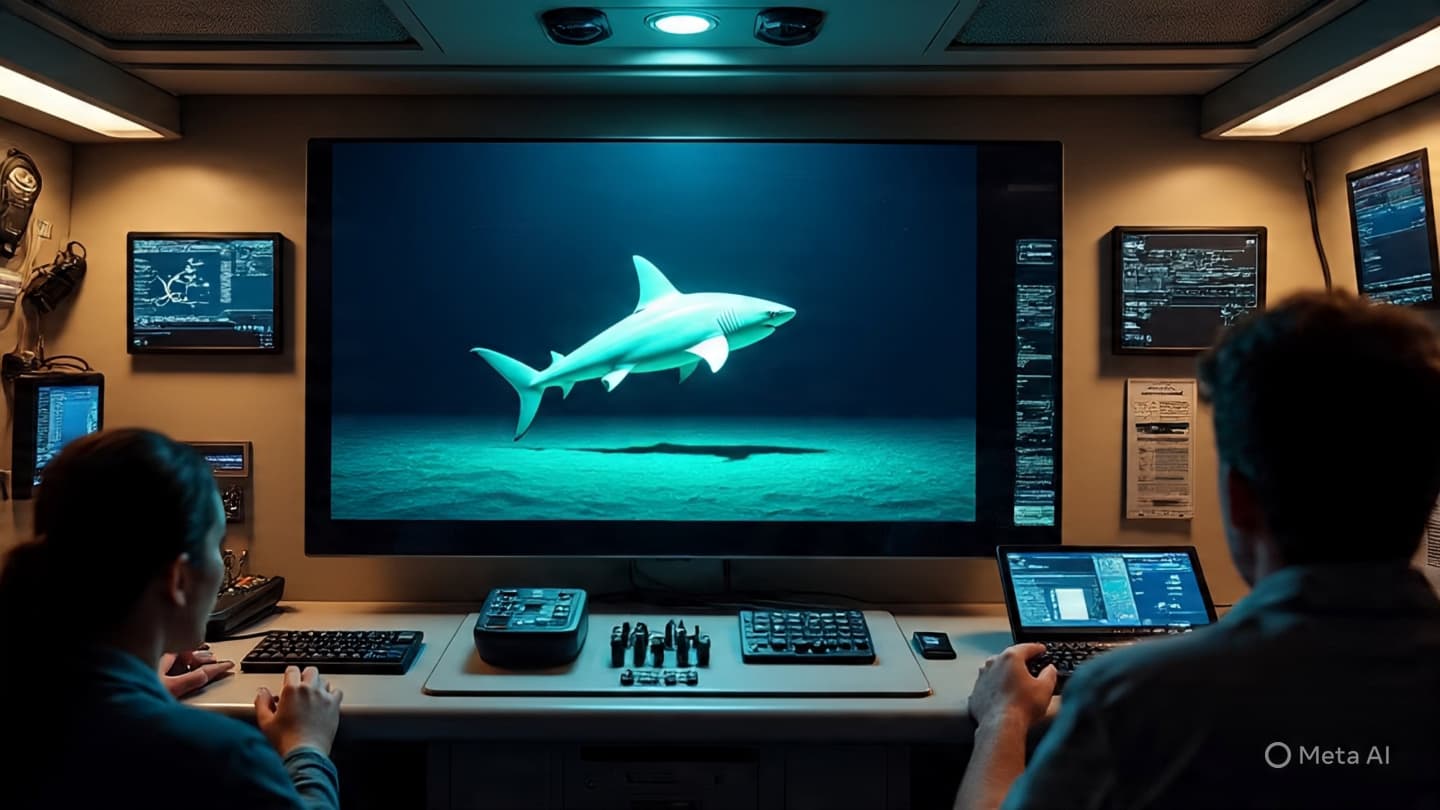
Scientists have successfully tested new electromagnetic deterrent technology in Greenland to prevent the accidental capture of Greenland sharks in commercial fishing nets, promoting marine biodiversity.

Greenland has rejected an international proposal for a shark cull, citing a lack of legal basis and a desire to protect its environmental reputation and marine biodiversity.

Oslo University Hospital is conducting a breakthrough gene therapy trial for rare genetic disorders, showing successful early results in stabilizing symptoms and correcting molecular deficiencies.

Norwegian researchers in Svalbard recorded unprecedented winter sea-ice thickness, offering new insights into Arctic variability and the complex environmental factors influencing regional ice growth in the high North.

NASA shares early insights from Artemis II, highlighting system performance and ongoing preparations for future lunar missions.

A national astrophotography competition invites Limerick stargazers to capture and share images of the night sky.
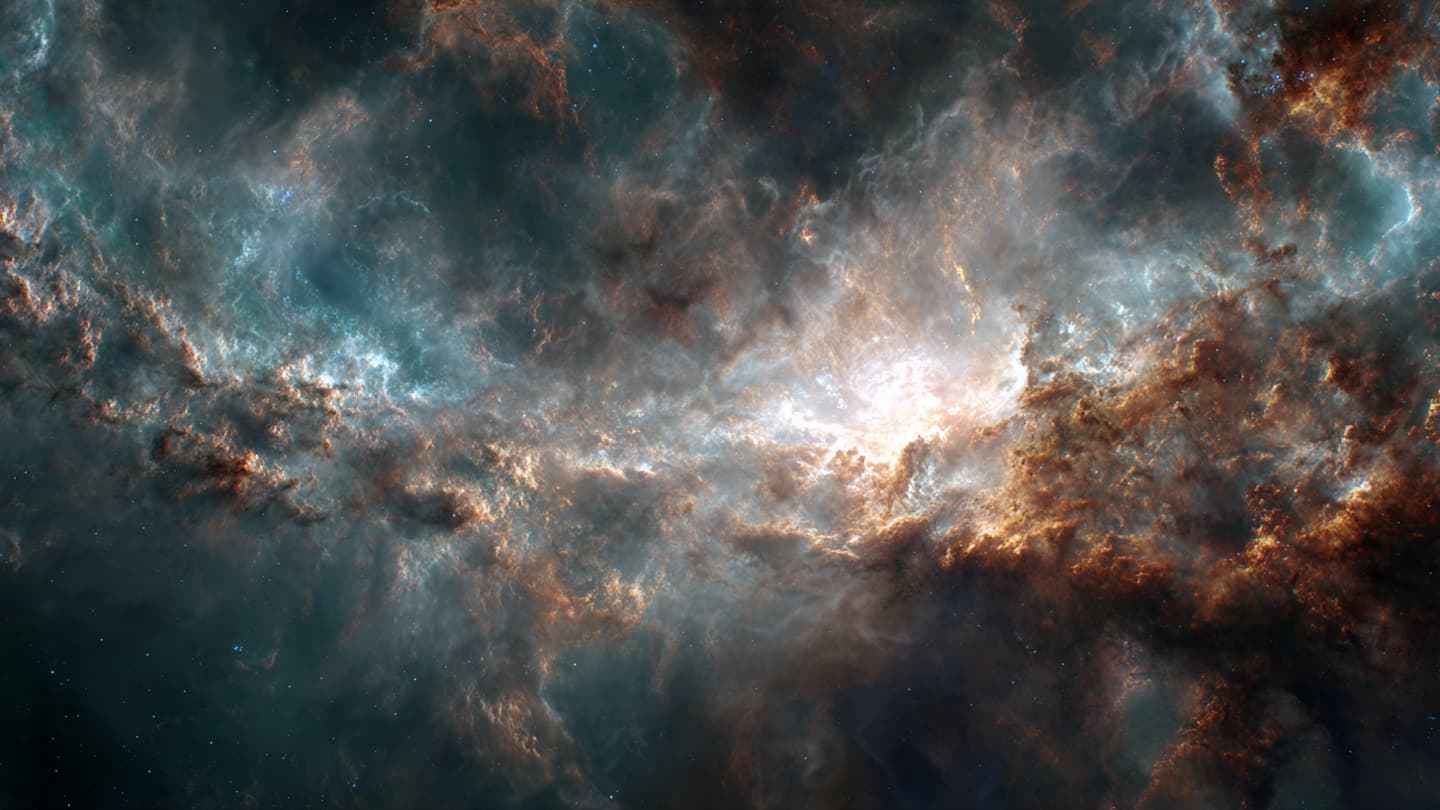
A new study suggests internal forces like stellar winds and black holes may explain why starburst galaxies stop forming stars.

Scientists are studying a hypothetical particle that could help explain how matter gains mass, extending current particle physics models.
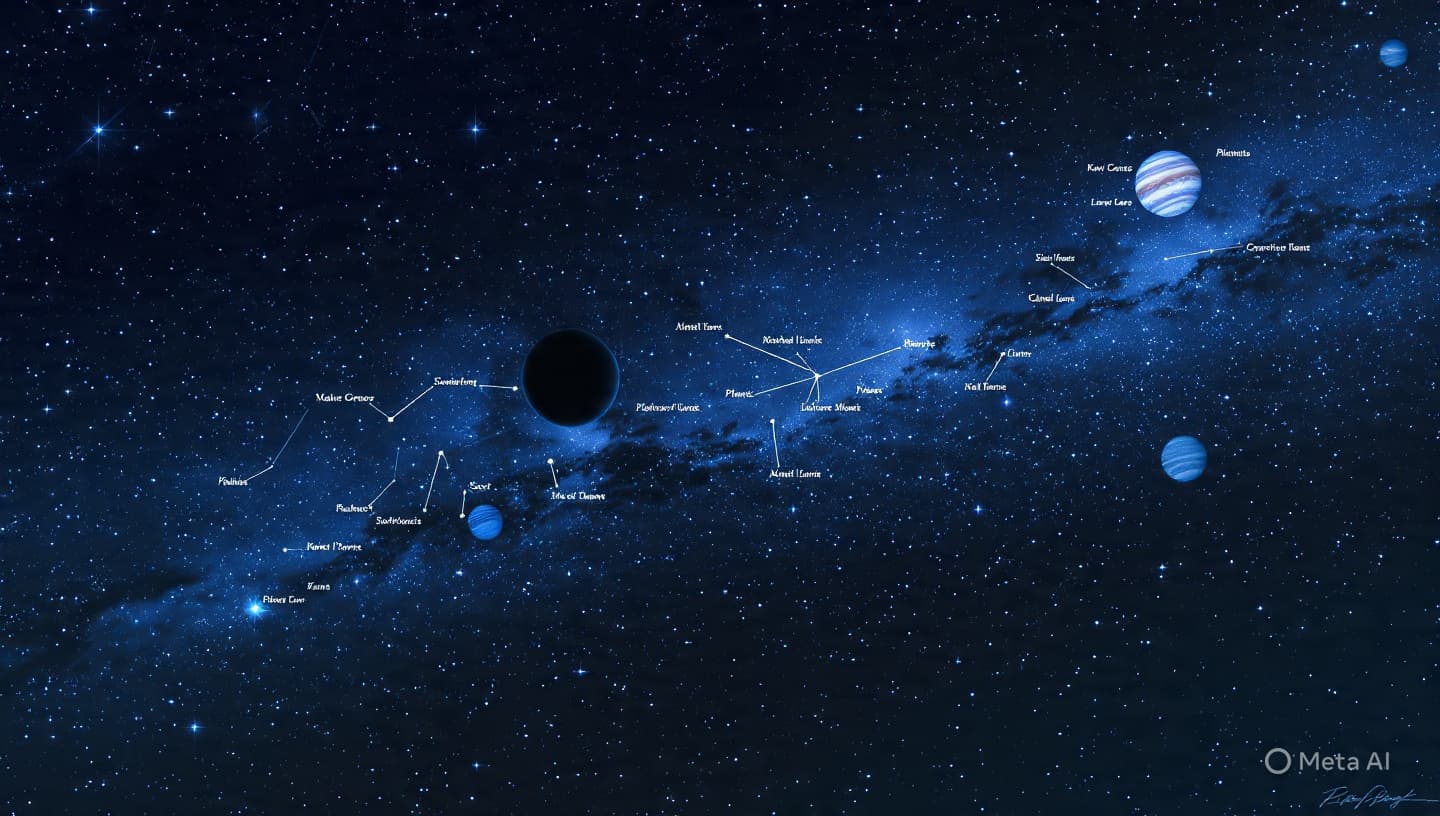
Skywatchers can observe key celestial objects representing historic “firsts,” connecting modern viewing with milestones in astronomy and space exploration.
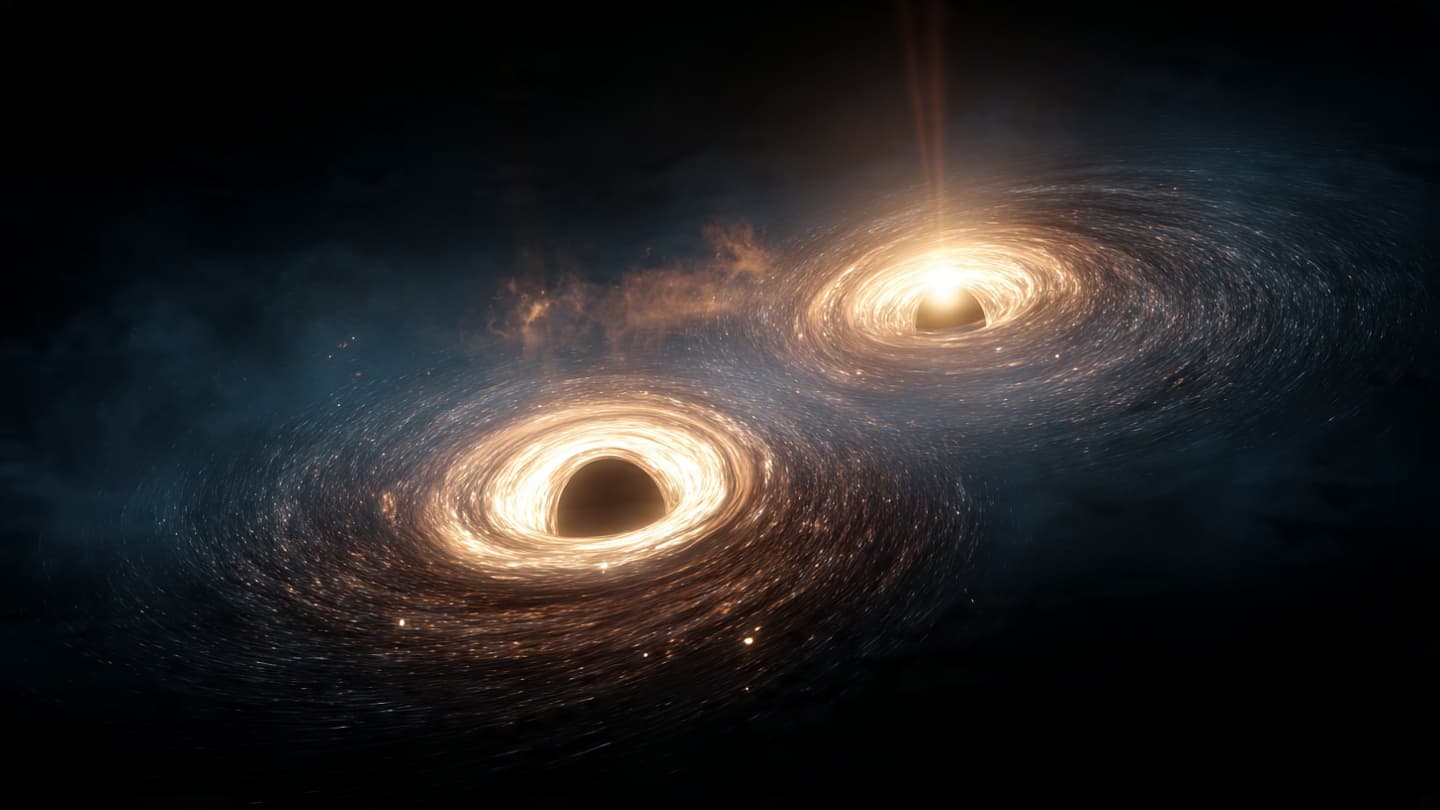
Astronomers report two supermassive black holes may merge within 100 years, offering insight into gravitational waves and galaxy evolution.