SCIENCE84% credibility
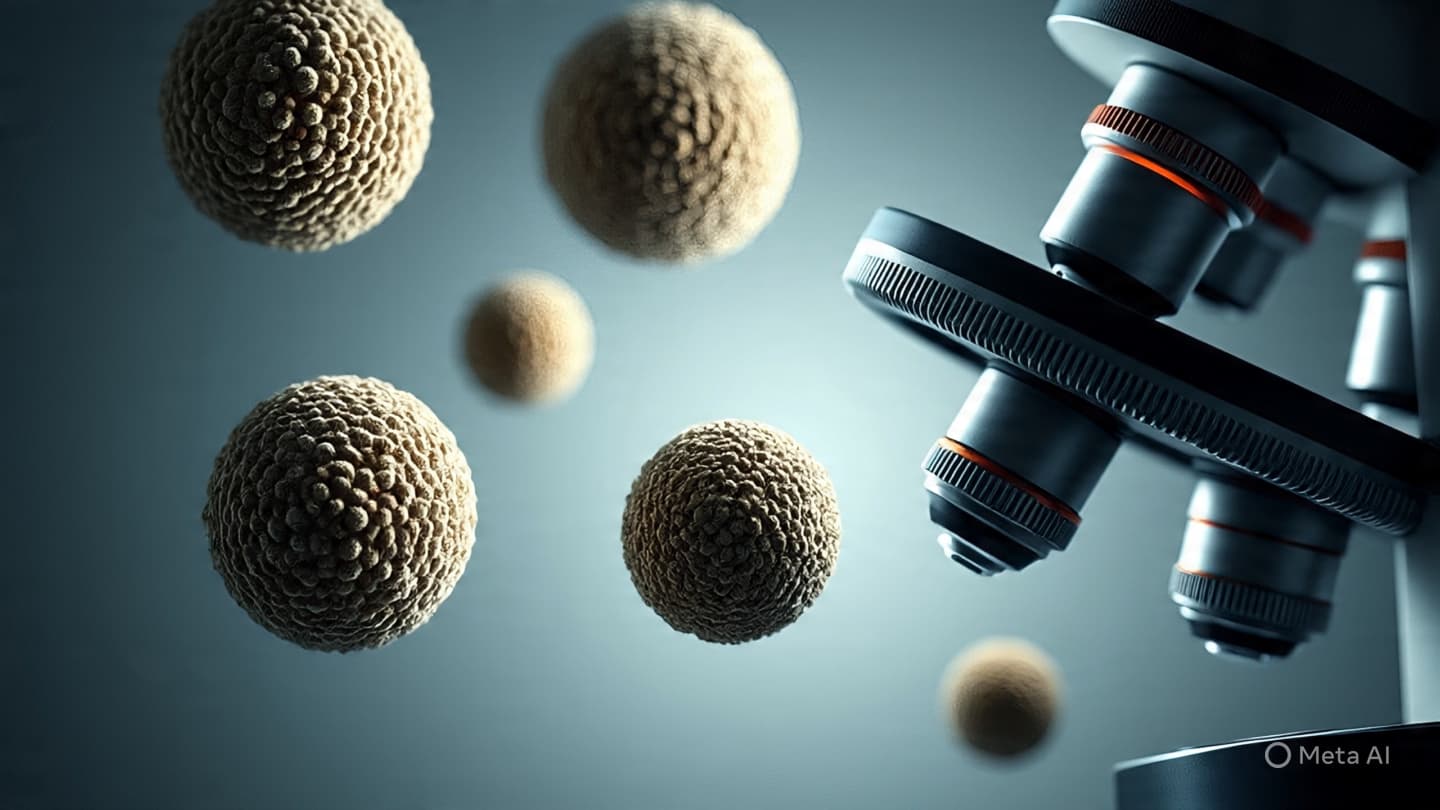
Could the smallest survivors carry life’s story to Mars?
Research shows certain fungi can survive extreme space conditions, raising possibilities for future missions and concerns about planetary contamination.
5 min read

Research shows certain fungi can survive extreme space conditions, raising possibilities for future missions and concerns about planetary contamination.

Canadian astronaut Josh Kutryk is set to fly to the ISS after Starliner delays, highlighting adaptability and ongoing international collaboration in space missions.
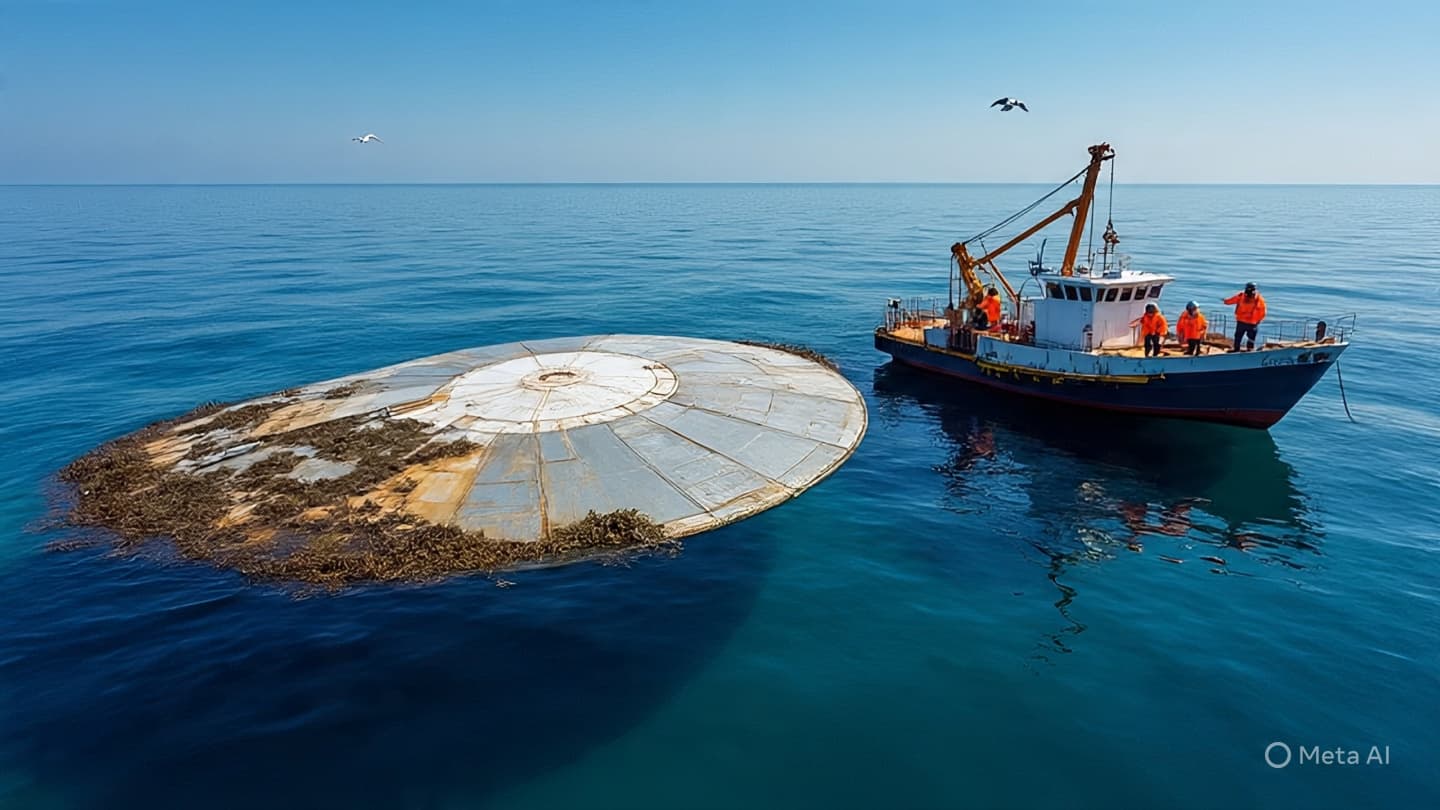
NASA’s Artemis 2 heat shield, recovered from ocean waters, highlights testing efforts and the importance of safety systems for upcoming crewed lunar missions.
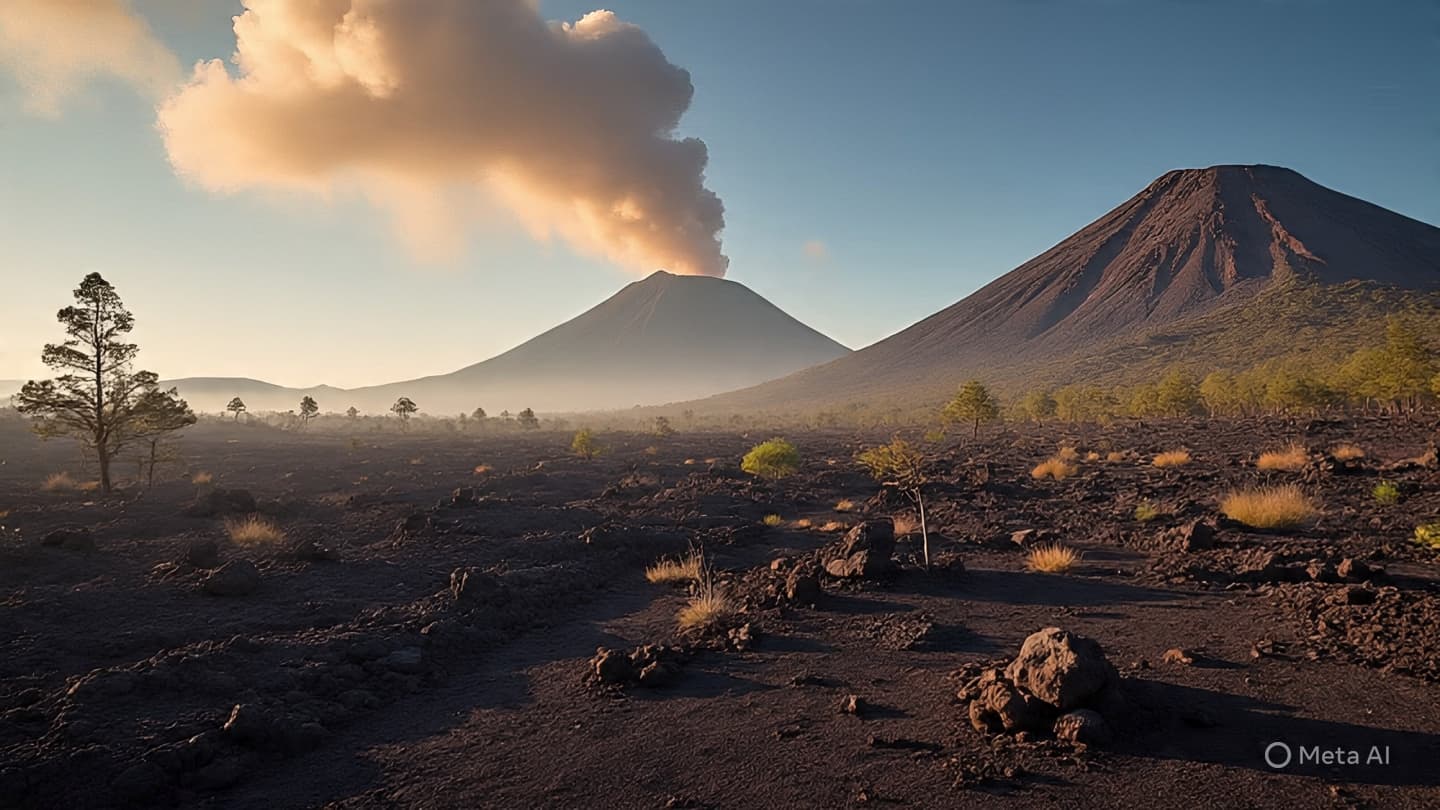
Greece’s Methana highlights how dormant volcanoes can remain inactive for long periods before reawakening.
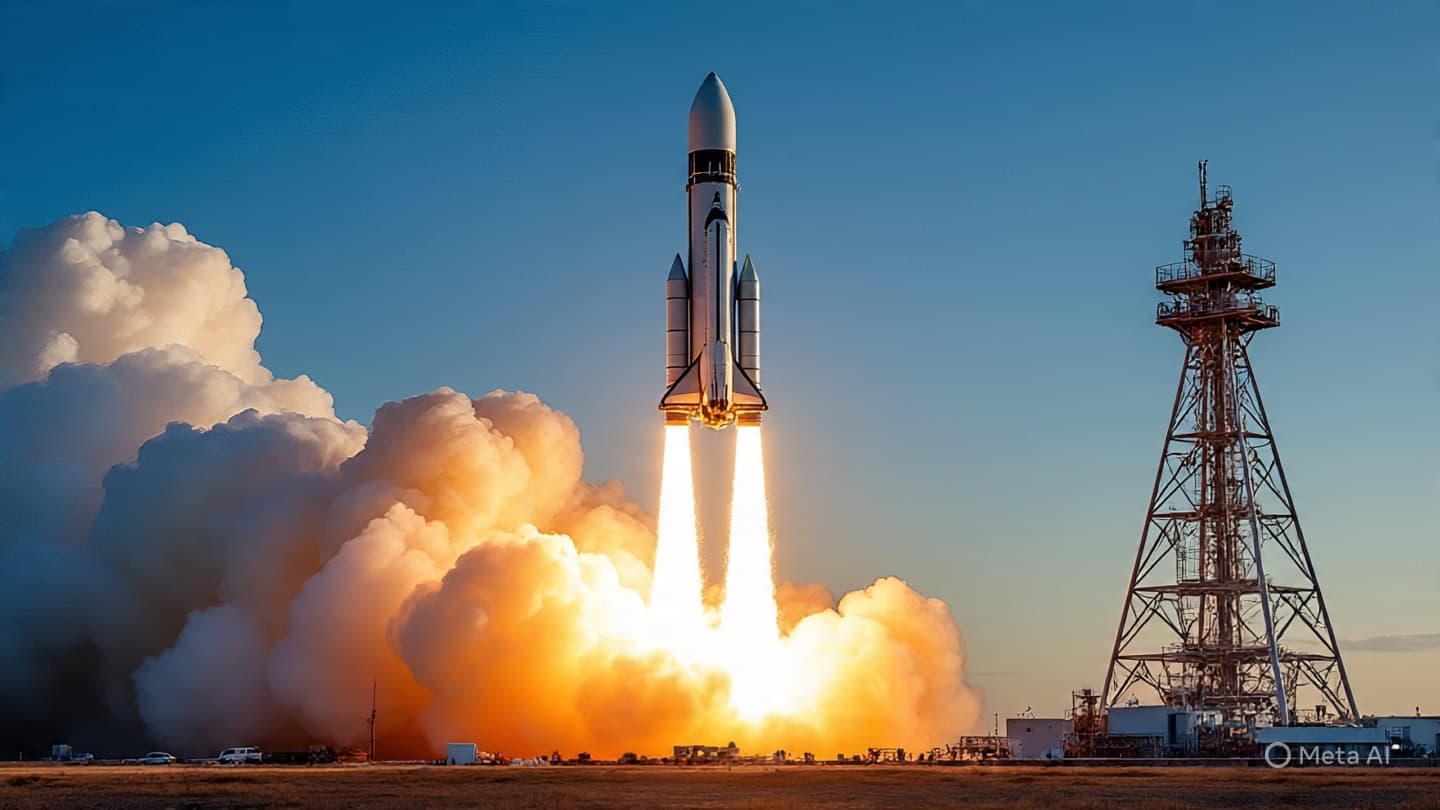
Amazon advances its satellite project with a successful launch, while SpaceX faces a setback in a separate mission.

Angola is modernizing its labor laws to enhance worker protections and formalize employment, fostering a more equitable and dignified environment for its growing workforce.
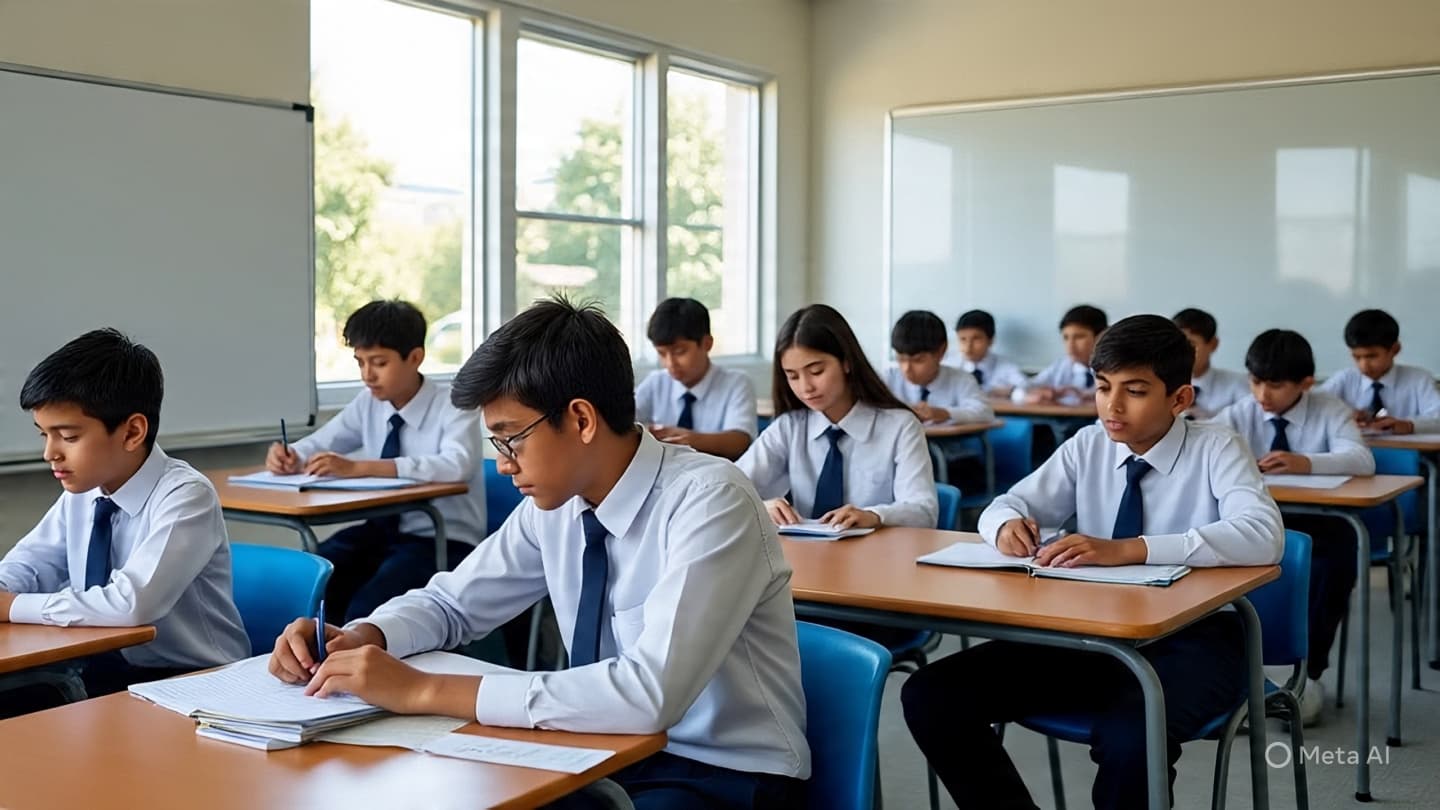
Angola is strategically revitalizing its tourism sector by promoting its natural wonders and cultural heritage, aiming to become a premier destination for sustainable global travel.
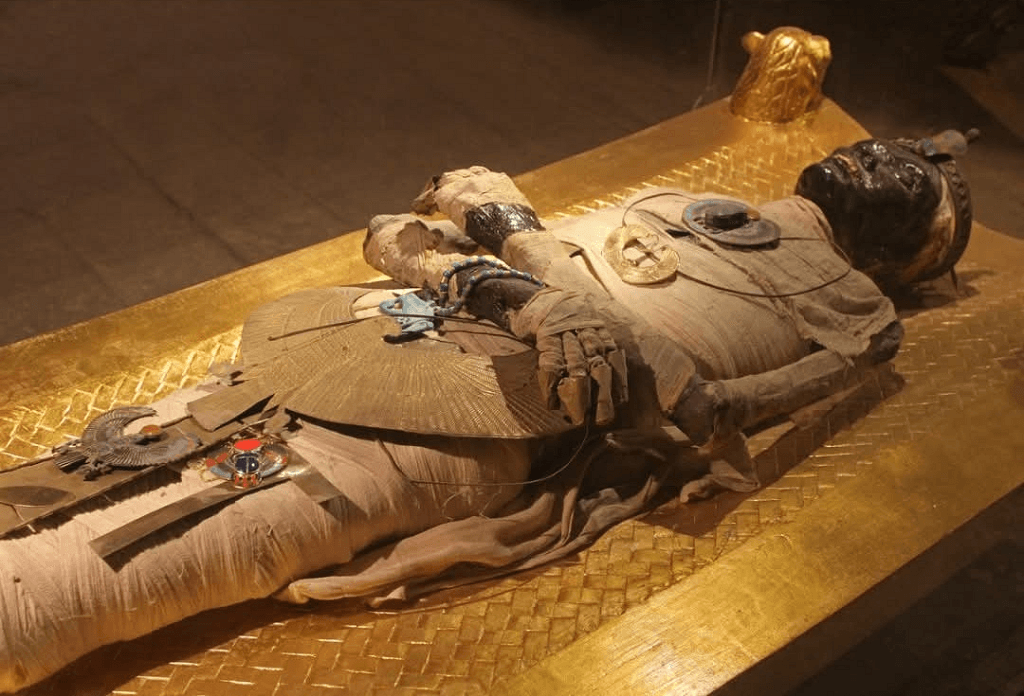
Archaeologists in Egypt’s Hawara necropolis discovered a stunning 2nd-century copy of Homer’s Iliad tucked under a mummy’s head, revealing a fascinating fusion of Greek art and Egyptian burial rites.
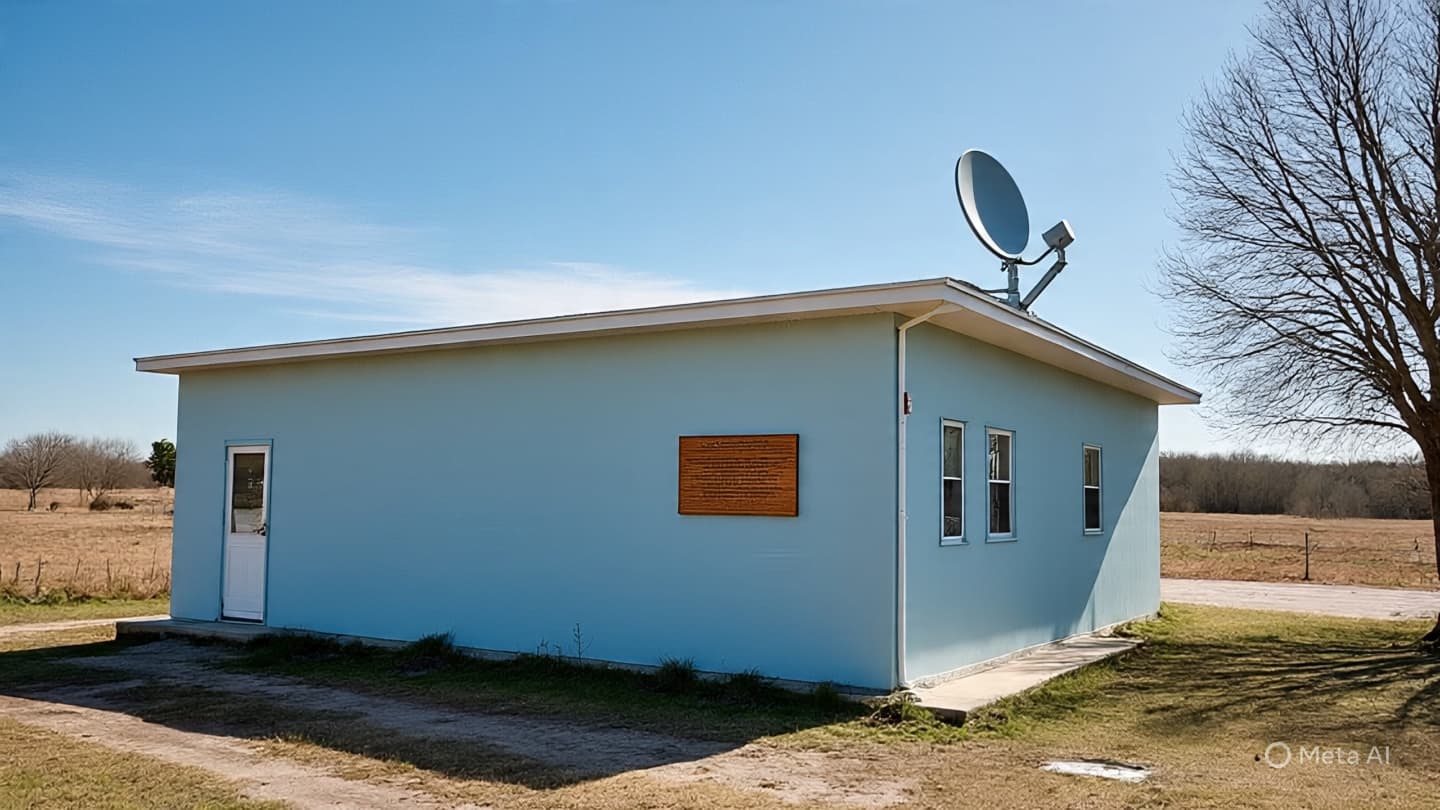
A South African medical team has successfully piloted a satellite-linked telemedicine platform, bringing specialist healthcare to remote rural communities through high-speed digital connections.

CNRS researchers have engineered innovative synthetic materials capable of capturing industrial carbon emissions with high efficiency, marking a major advancement in climate technology.
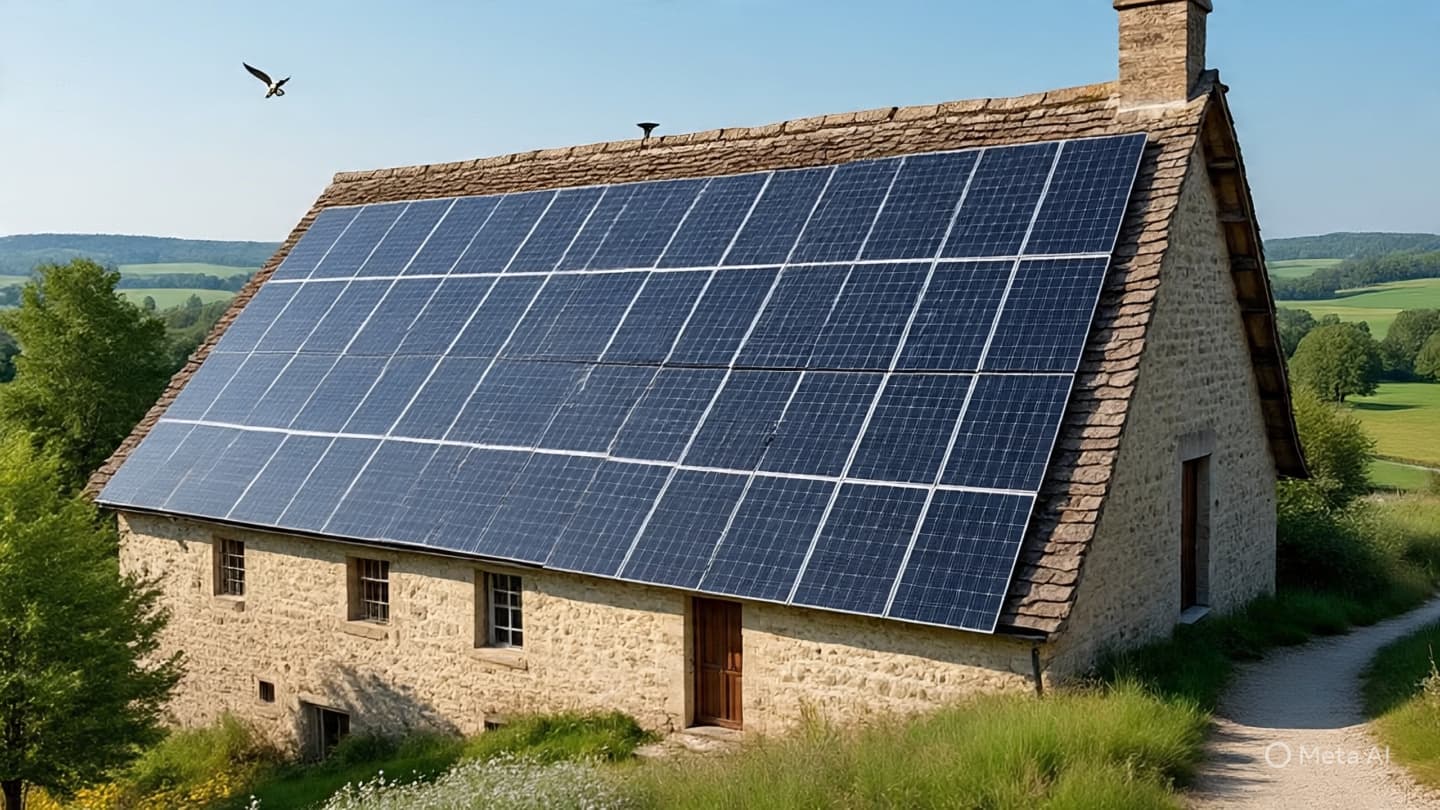
France is increasing support for rural renewable energy projects, focusing on community-led wind and solar initiatives to strengthen local economies and meet climate goals.
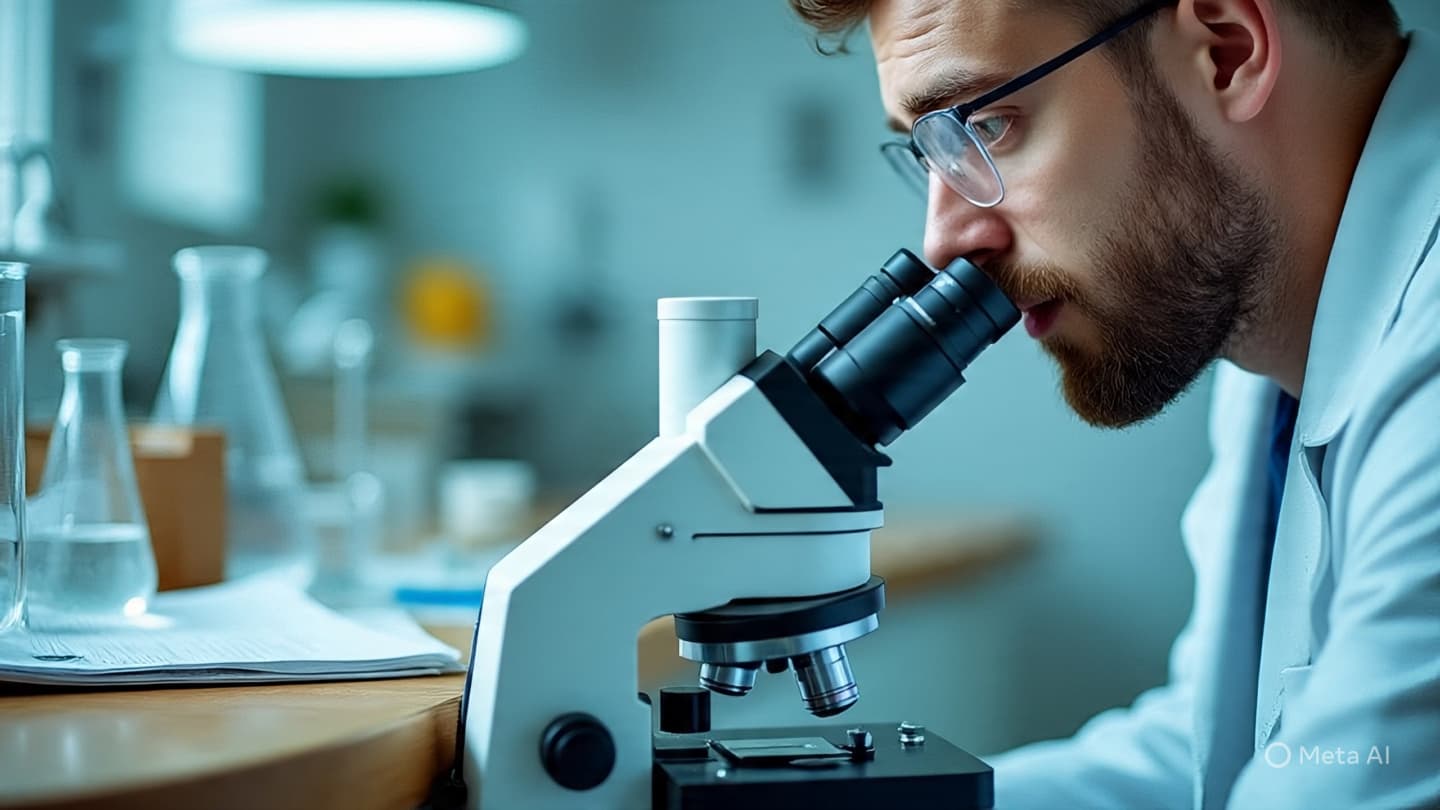
The Fiocruz Institute has successfully developed localized genetic testing for rare diseases, enhancing Brazil’s medical sovereignty and providing essential diagnostic tools for the public health system.
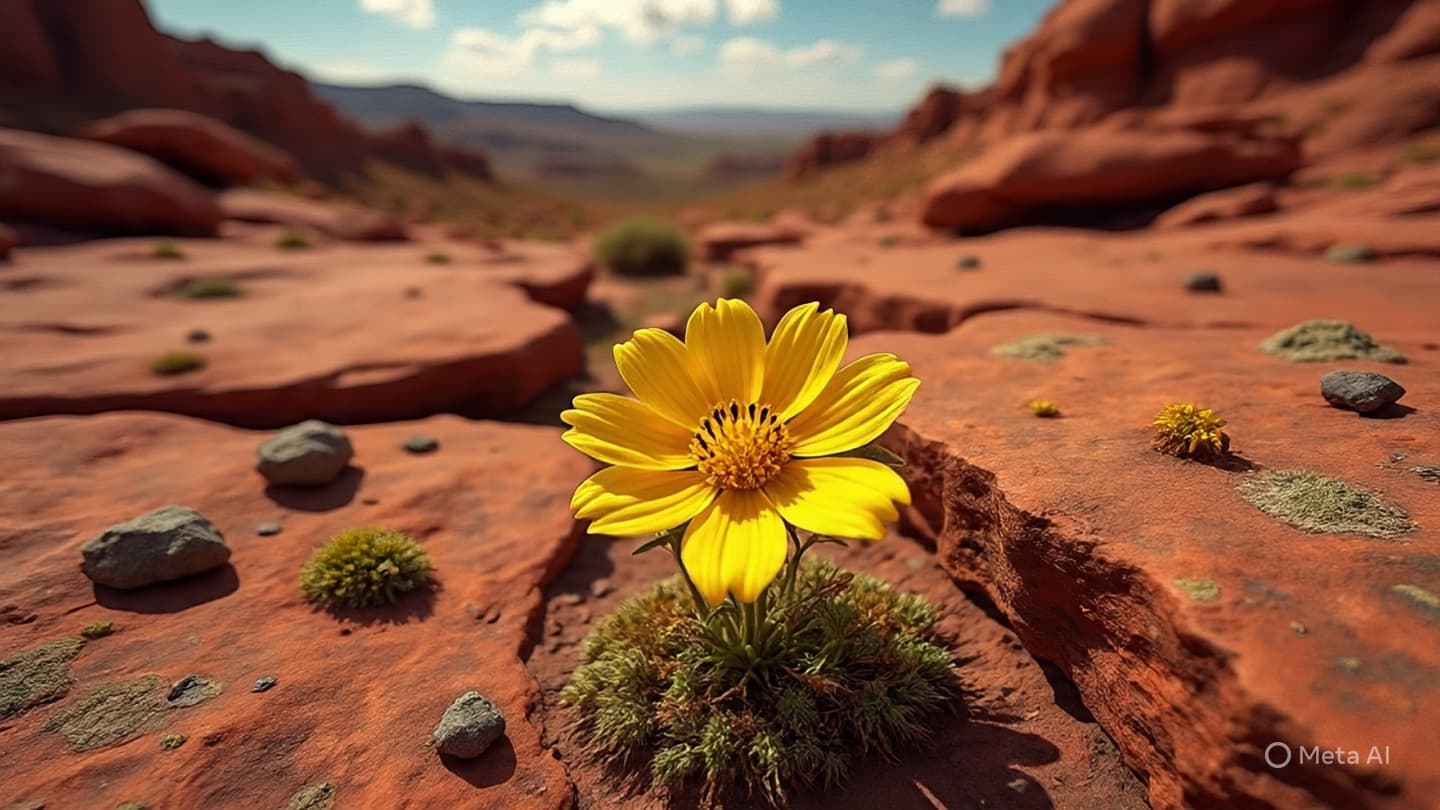
Researchers have discovered new endemic plant species in the Amazonian Cangas, highlighting a critical conflict between industrial mining expansion and the preservation of rare biodiversity.

Brazil has formalized new diplomatic and trade agreements with several Southeast Asian nations to diversify export markets and secure essential supply chains for the coming decade.
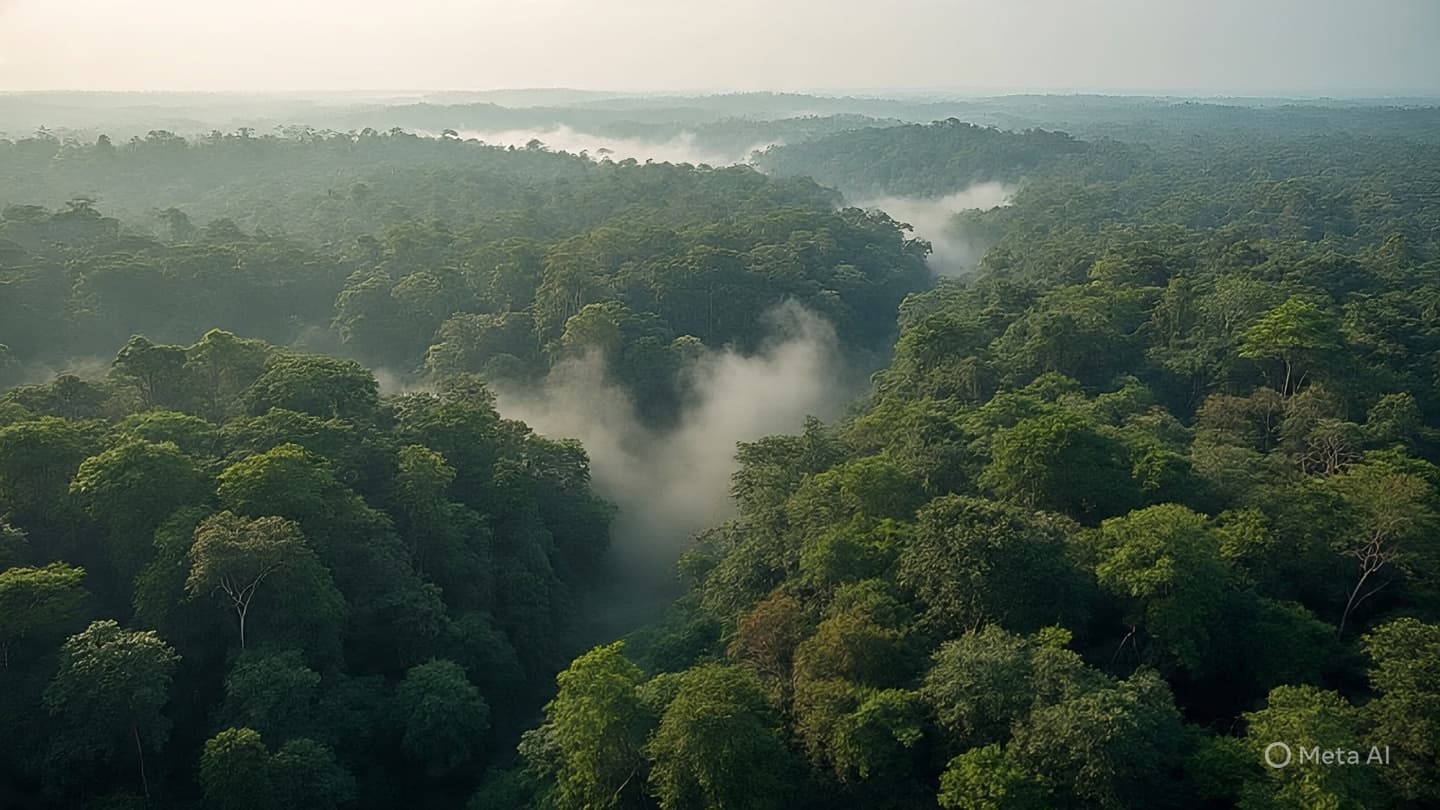
Federal Police in Brazil are intensifying their crackdown on organized crime syndicates involved in illegal land seizures within the Amazon, utilizing expanded investigative resources and data.
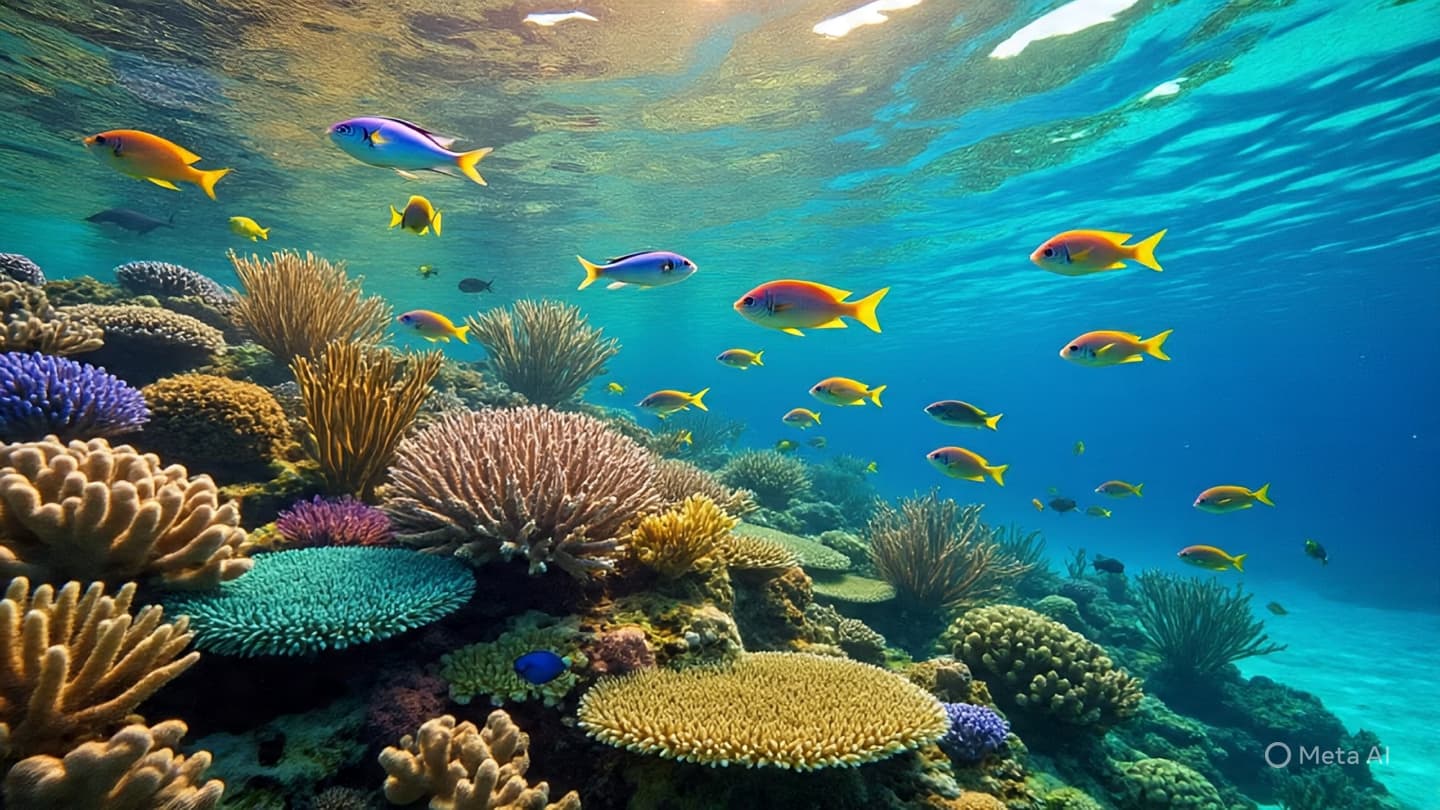
Monaco Ocean Week has ended with new international accords focused on coral reef restoration, reinforcing the Principality’s leadership in global marine conservation and ecological protection.
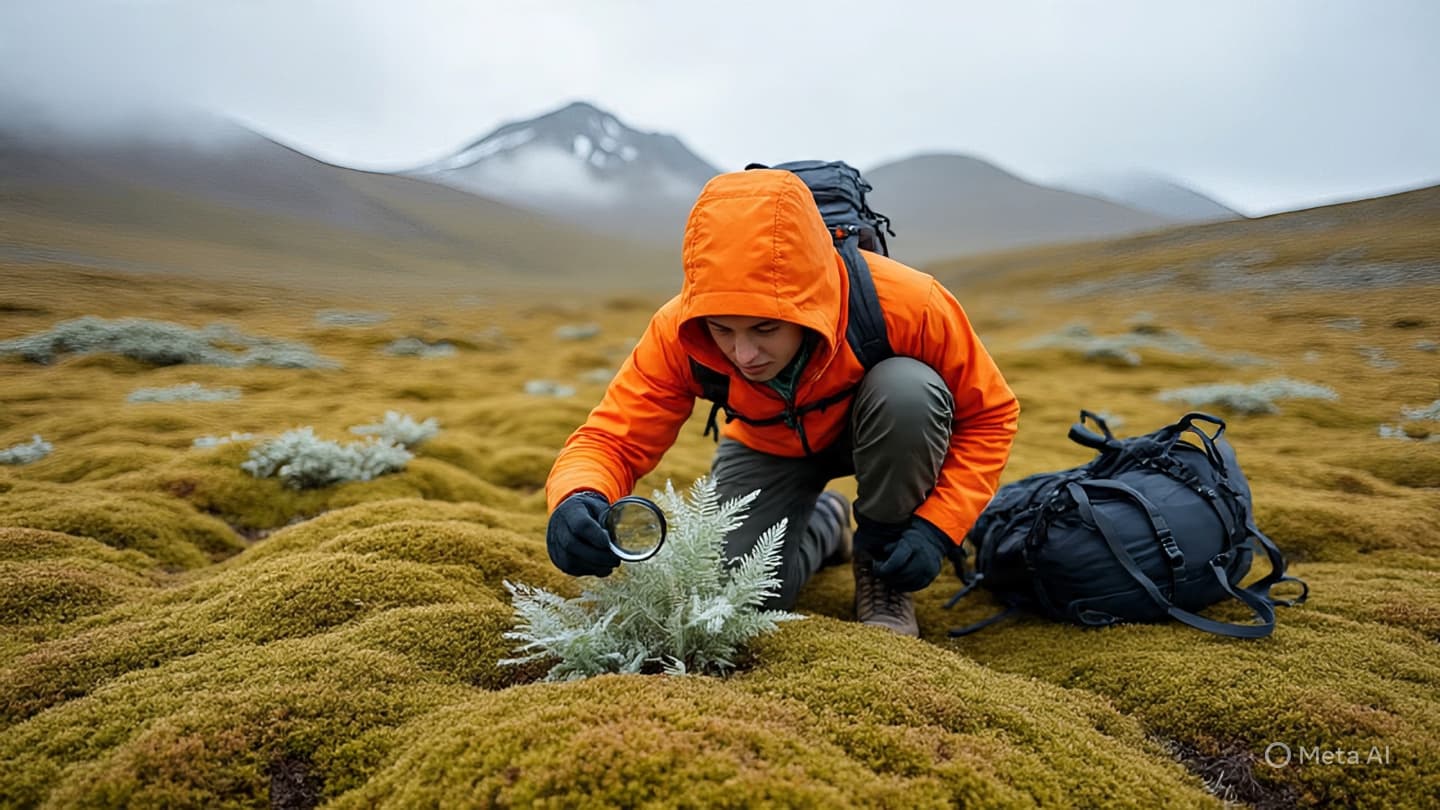
Botanists from Uppsala University have discovered a rare sub-arctic fungi species emerging from thawing permafrost, highlighting unexpected shifts in biodiversity as the northern climate warms.
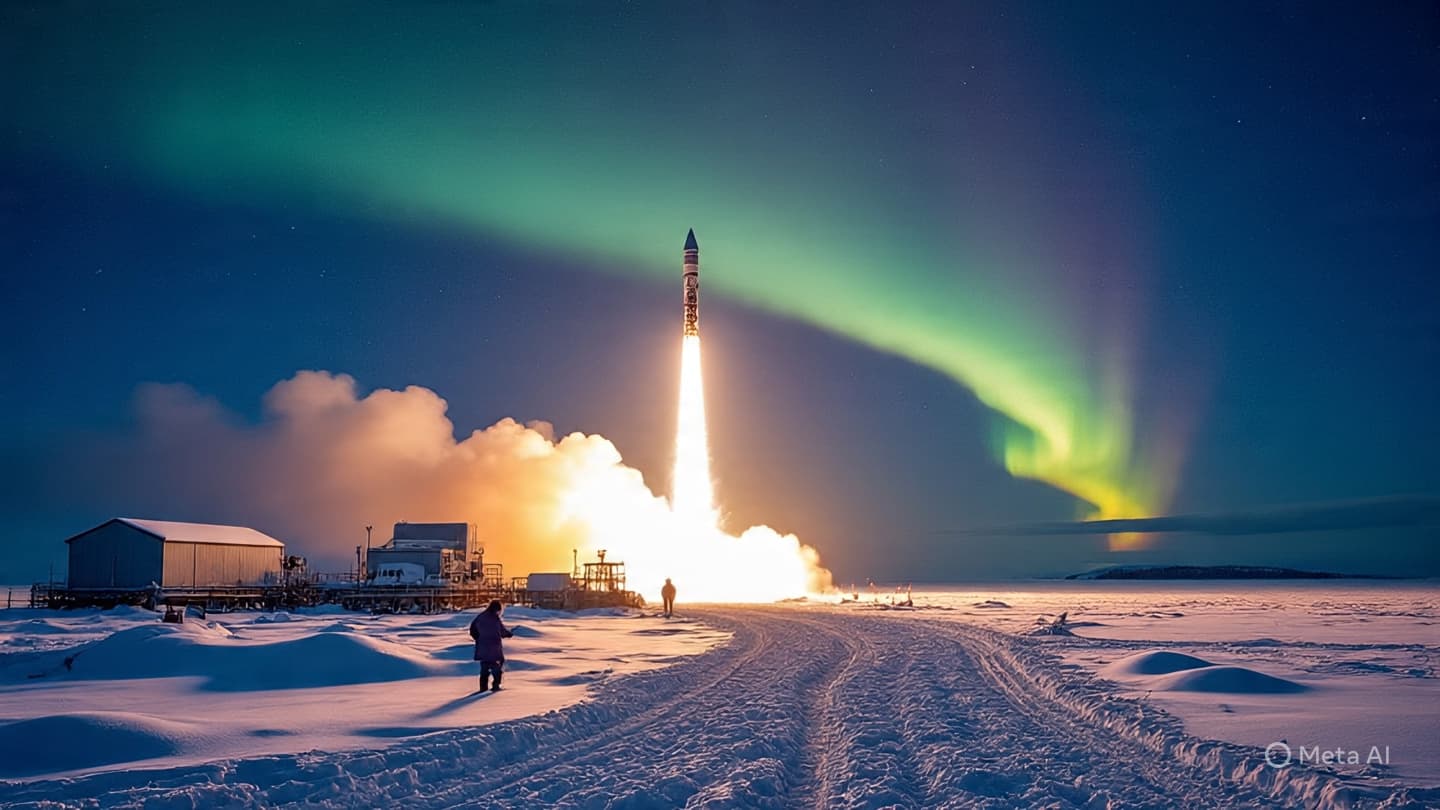
Kiruna’s Esrange Space Center has successfully launched an atmospheric monitoring satellite, providing critical real-time data to enhance global climate research and environmental surveillance.
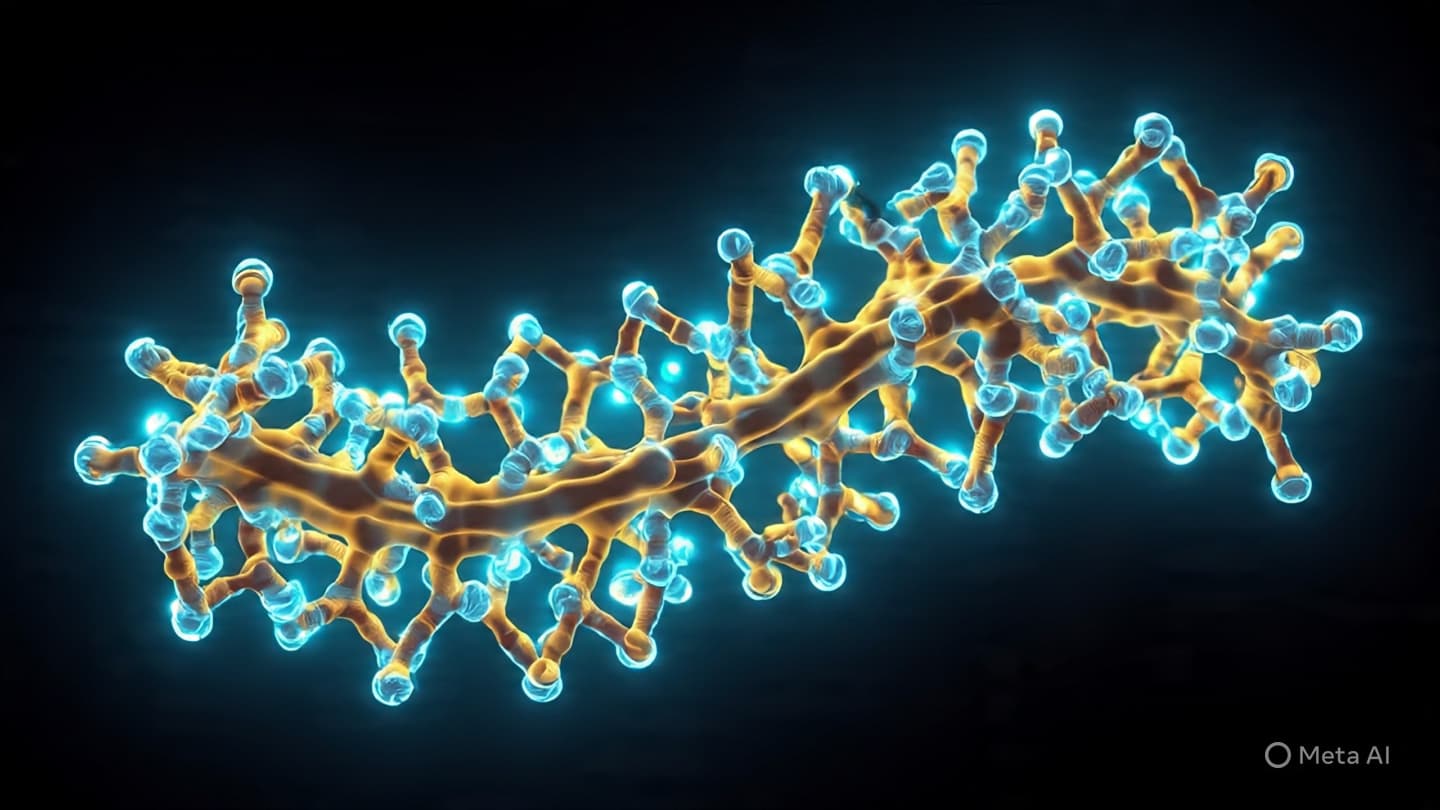
Scientists at Sweden’s Karolinska Institutet have discovered a novel protein linked to cellular regeneration, offering potential breakthroughs for treating degenerative conditions and enhancing recovery.
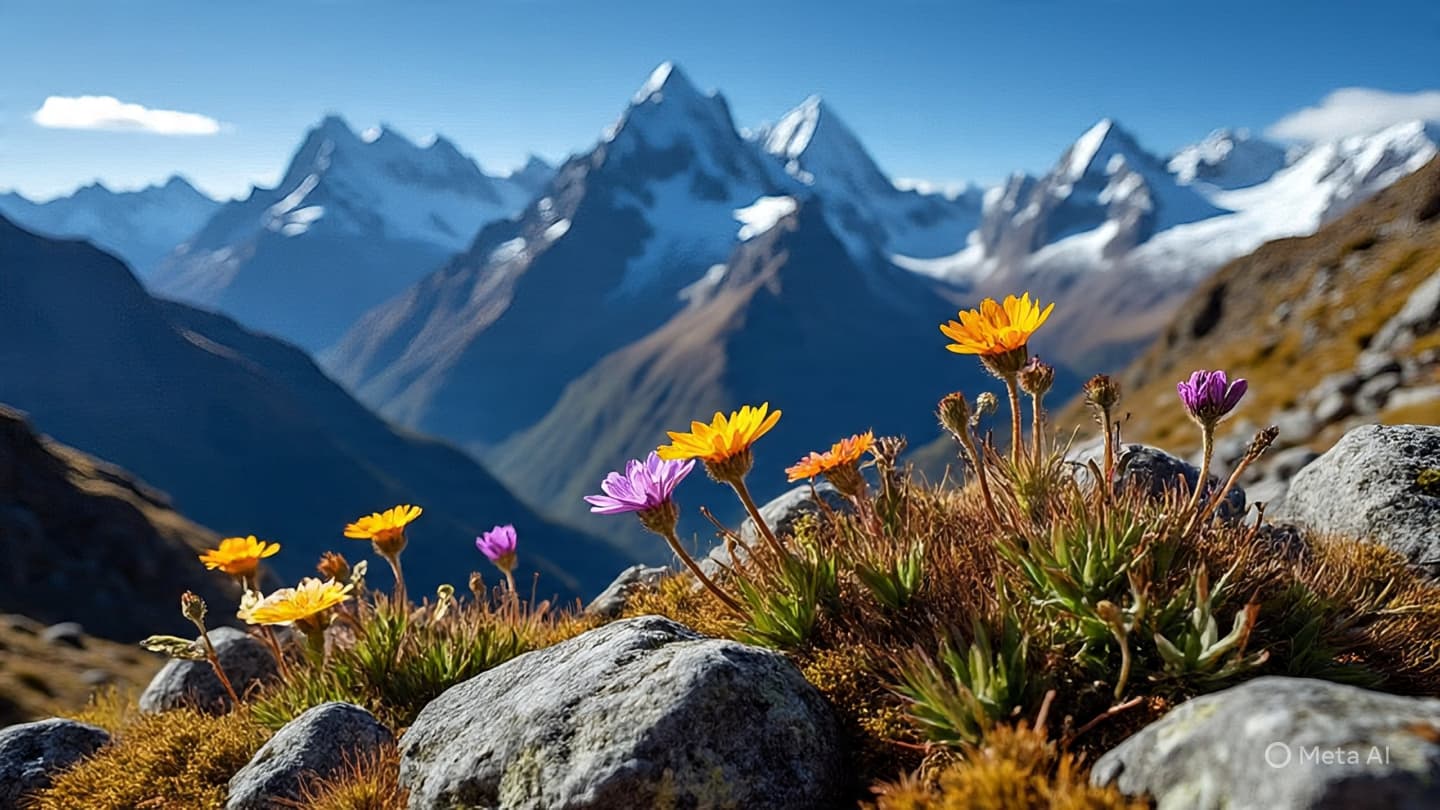
Researchers at the University of Buenos Aires have mapped the genomic diversity of native Andean flora, providing new insights into plant adaptation and mountain ecosystem conservation.
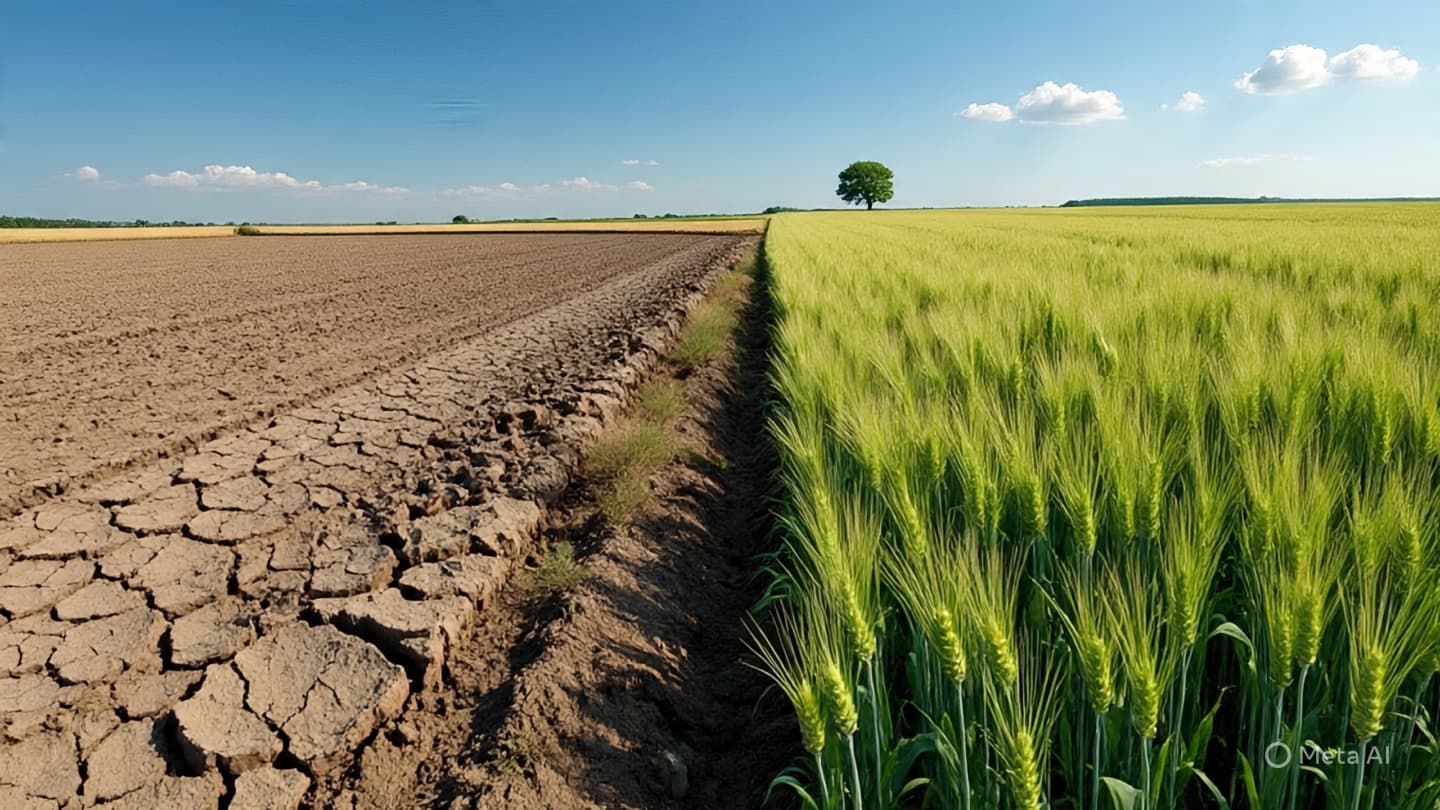
A new drought-resistant wheat strain has reached final trials in Argentina, offering a scientific breakthrough to secure crop yields amid increasingly frequent regional water shortages.

Benguela begins the recovery phase after the Cavaco River flood, focusing efforts on infrastructure rehabilitation and support for thousands of affected residents.

Angola launched its first earth observation satellite, enhancing data sovereignty and environmental monitoring capabilities to support national development.
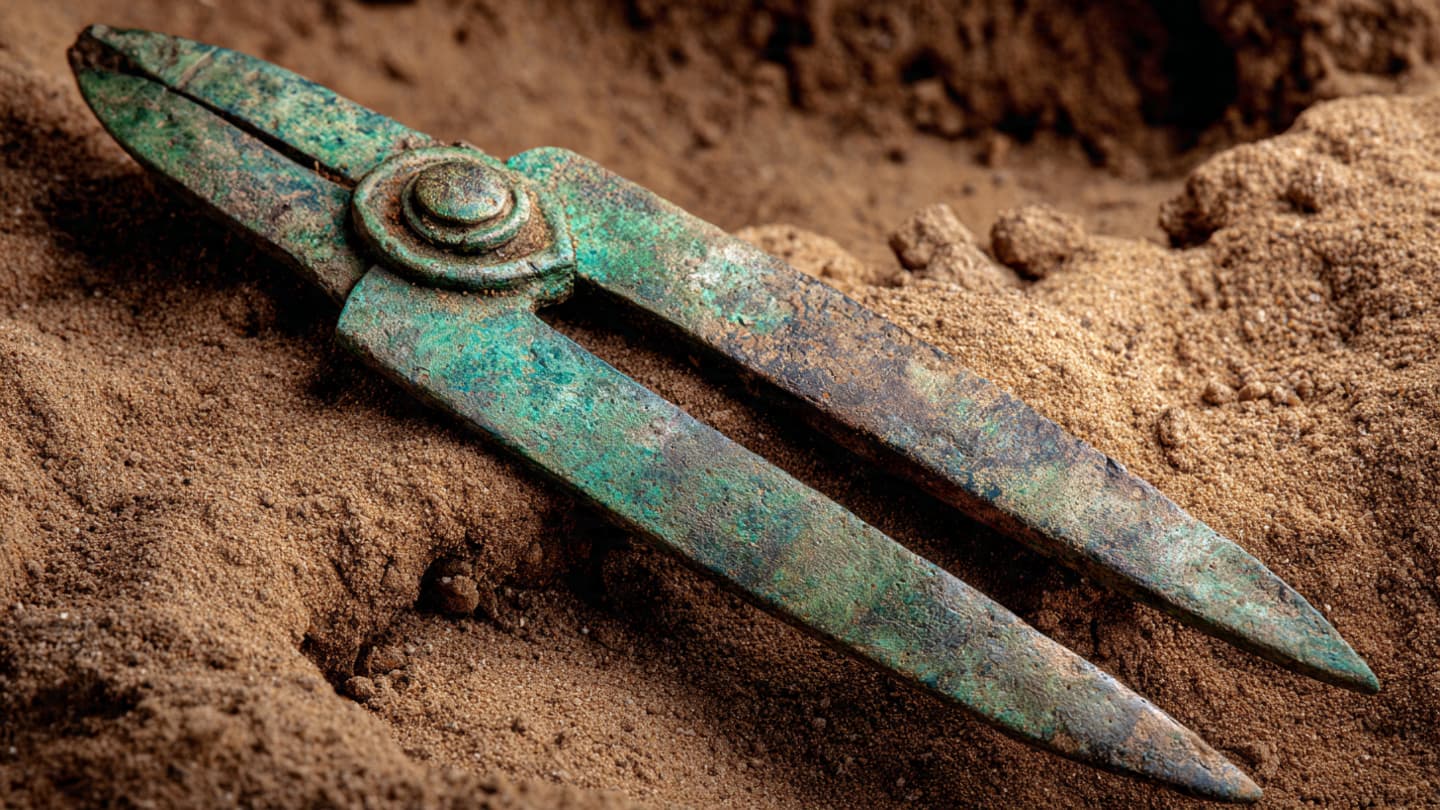
Archaeologists in Serbia have discovered a rare collection of Roman scientific and medical instruments at Viminacium, revealing high levels of technical precision in the ancient Balkan world.