The Tech Rebound of the Southern Shore: Reflections on the Surge of Digital Value
Australia's tech sector leads a market-wide rebound in April 2026, surging 15% as investors return to high-growth digital assets following a period of market fatigue.

Australia's tech sector leads a market-wide rebound in April 2026, surging 15% as investors return to high-growth digital assets following a period of market fatigue.

The Reserve Bank of New Zealand maintains the OCR at 2.25% in April 2026, balancing rising fuel-driven inflation risks against a slowdown in domestic business confidence.

Serbia's Morava Corridor reaches a new milestone in April 2026 with the opening of its third section, marking a €2.15 billion investment in digitalized regional logistics.

Australia's digital asset market hits record trading volumes in early 2026, fueled by institutional adoption and a maturing regulatory environment for blockchain-based finance.

New Zealand's industrial sector faces a sharp 19% surge in fuel costs, squeezing profit margins and forcing businesses to accelerate efficiency measures amidst global energy volatility.

OECD reports show a 6.5% growth in Serbia’s SME sector as improved financing and digital adoption empower local entrepreneurs to become pillars of national economic resilience.

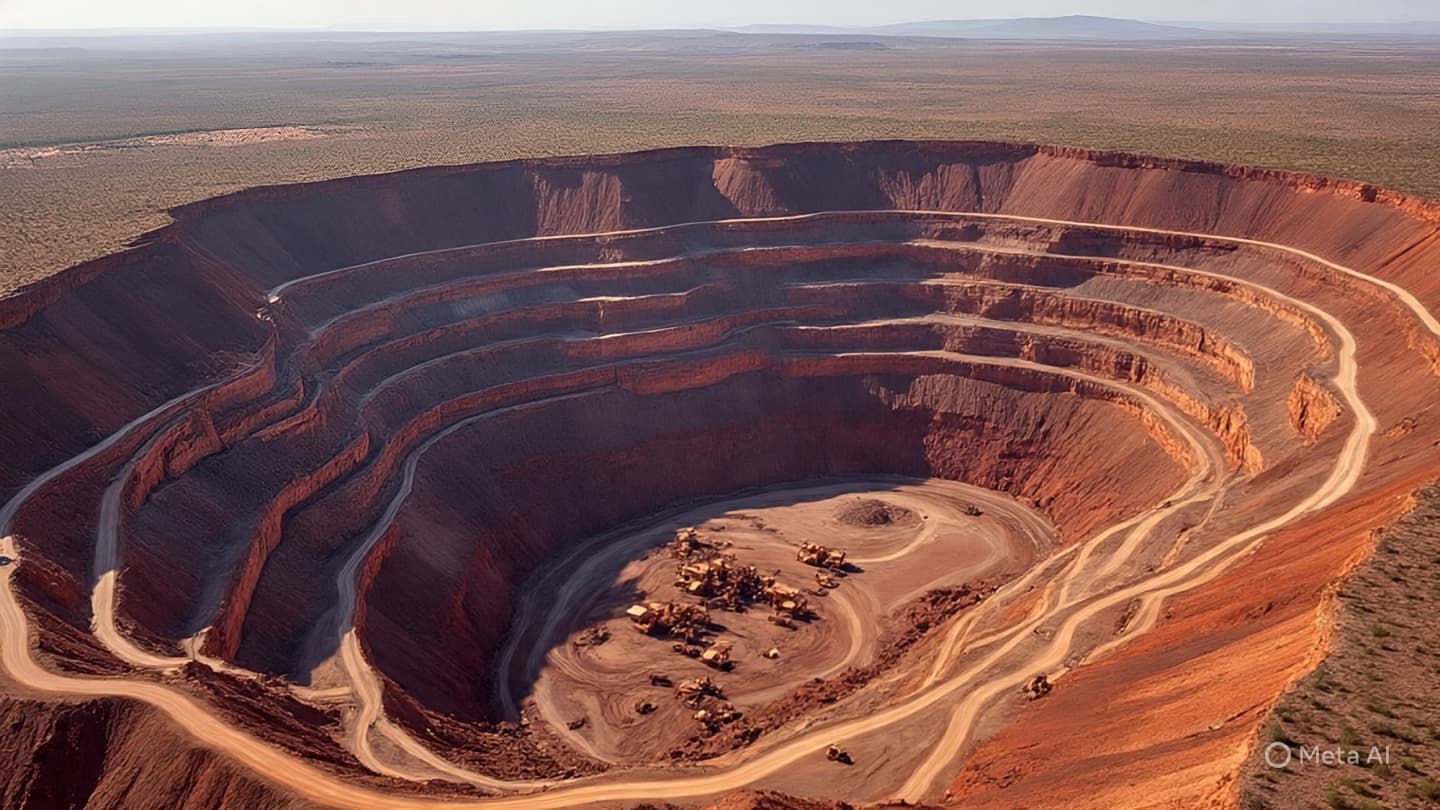
Australia's mining sector sees a 7% rise in export value in early 2026, driven by a resurgence in global industrial demand for iron ore and base metals.

New Zealand's retail sector experiences a shift as discretionary spending drops by 4.2%, driving consumers toward value-based shopping and discount retailers in early 2026.

Belgrade's tech ecosystem sees a significant surge as venture capital investment rises by 18% in Q1 2026, positioning the city as a growing European hub for digital innovation.

New Zealand's primary sector sees record export earnings in Q1 2026, as high global demand for sustainable dairy and meat products bolsters the national trade balance.

Vietnam’s Ministry of Finance is proposing to extend tax incentives for electric vehicles through 2030, aiming to boost EV adoption and meet national climate goals.

Serbian banks report a 22% rise in green lending, reflecting a significant shift toward sustainable investment and ESG-compliant industrial projects across the country.

Australia’s energy landscape undergoes a historic shift as renewable sources reach record generation levels, attracting massive investment into green hydrogen and sustainable infrastructure projects.

Australia faces a significant economic challenge as business insolvency rates climb to their highest levels since 2008, particularly impacting the construction and retail sectors amidst rising costs.

Microsoft NZ forecasts that artificial intelligence could inject $102 billion into New Zealand's economy by 2038, signaling a major shift toward a high-tech, digitally-driven future for the nation.

Serbia's economic landscape undergoes a significant shift as Chinese investments exceed 7.2 billion euros, driving major infrastructure and industrial developments across the Balkan nation's territory.

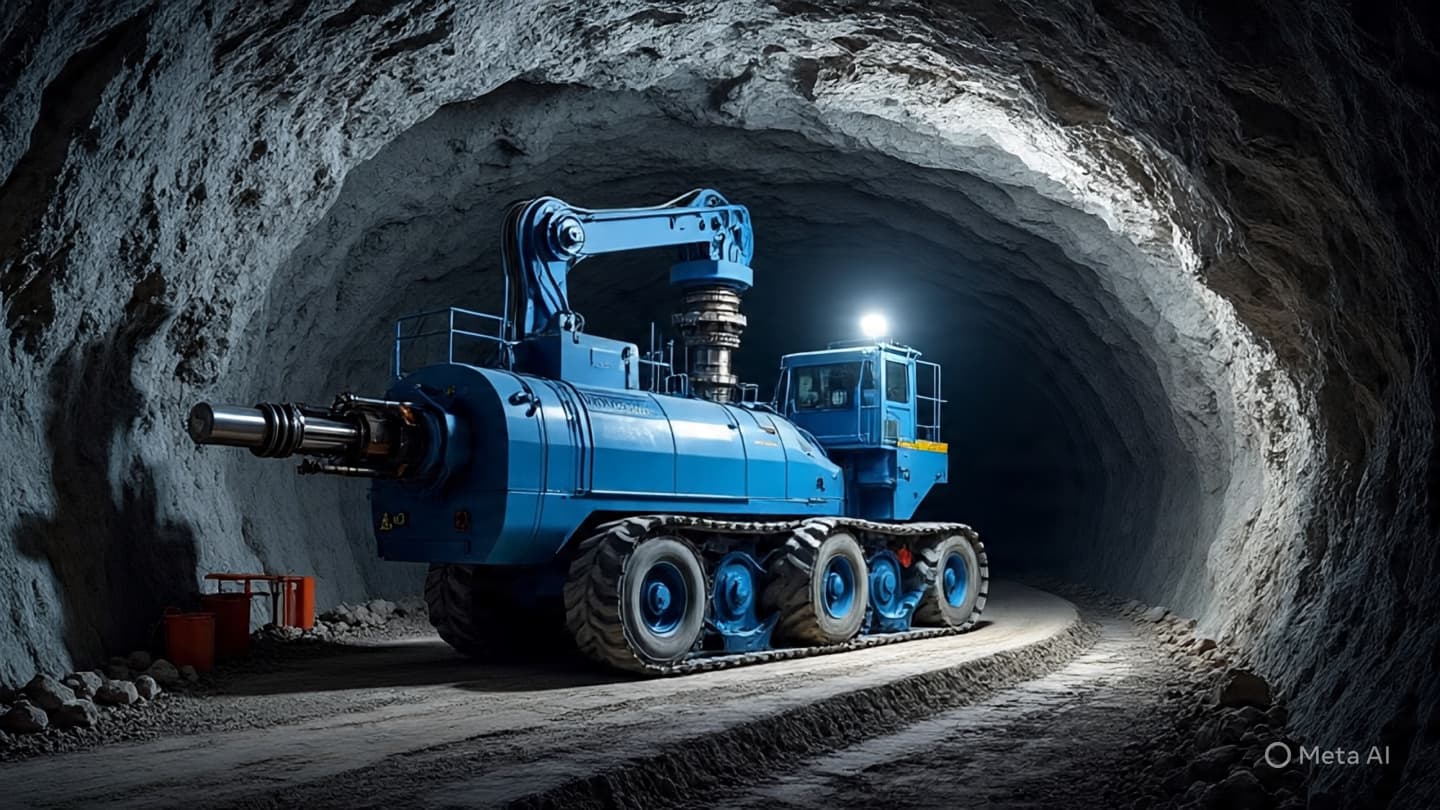
Nornickel has introduced the Norda tunneling complex in the Arctic, a revolutionary investment designed to eliminate mining explosions and significantly enhance ecological safety and worker protection.

Epstein’s case exposed real crimes and elite ties, but many viral claims lack proof understanding the truth requires separating evidence from speculation.

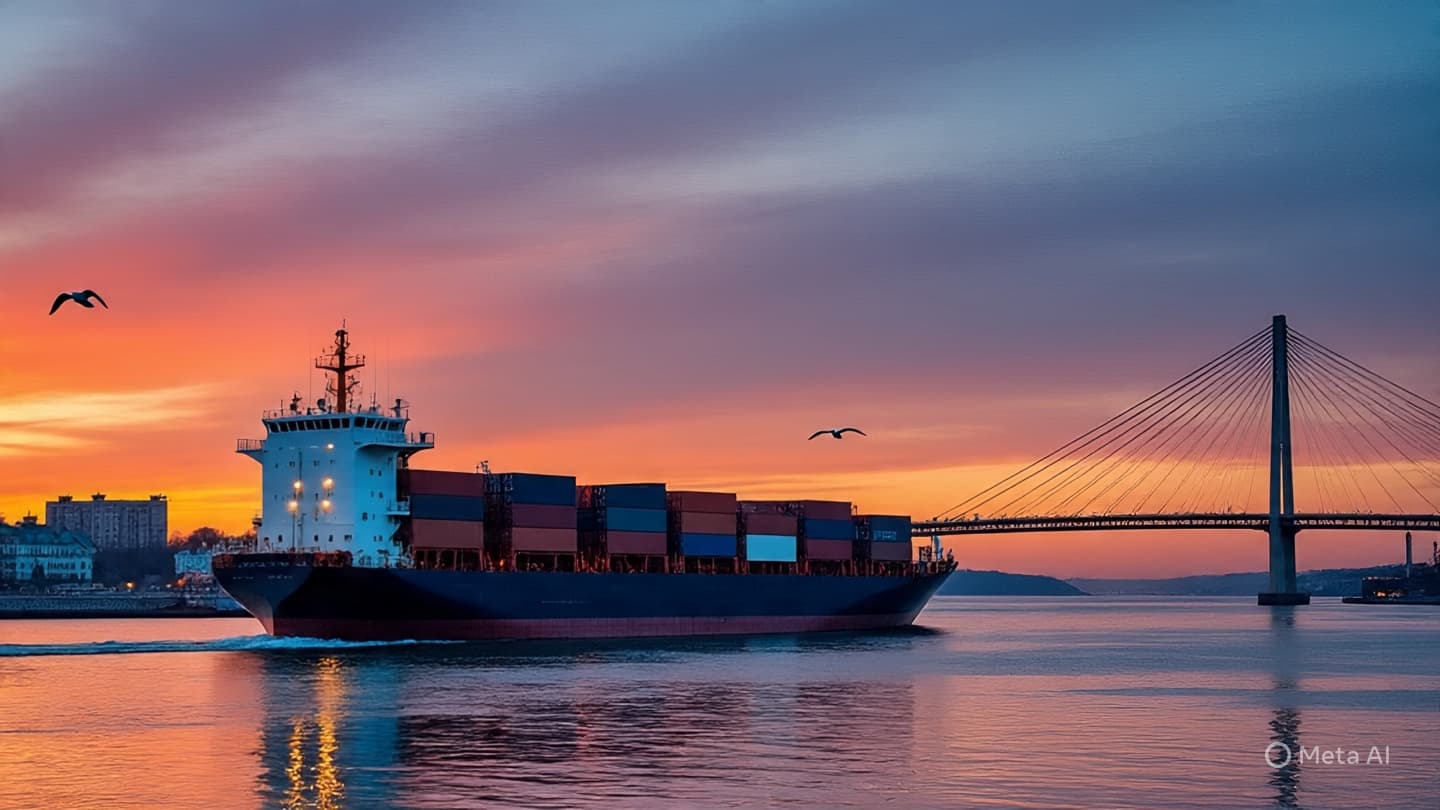
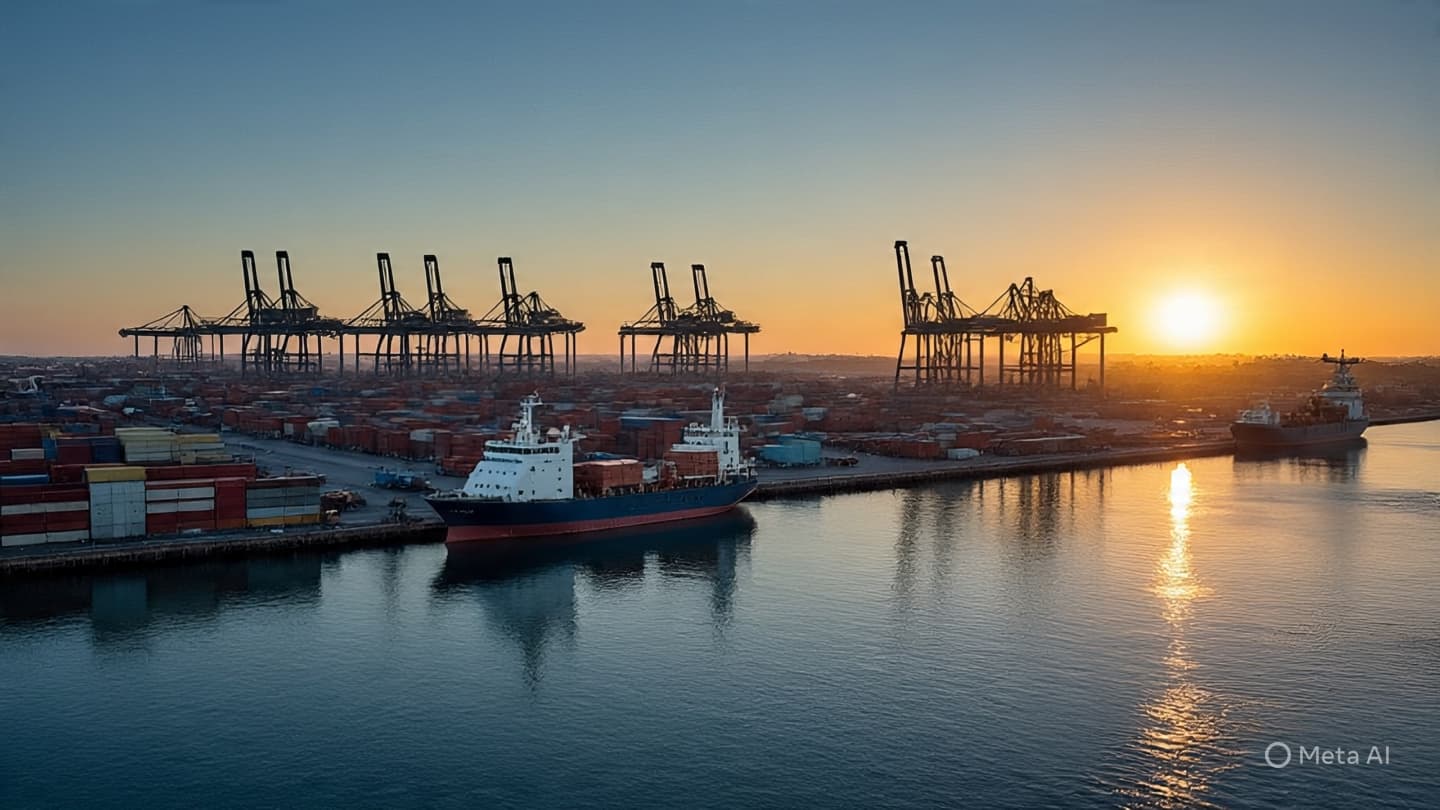
A new maritime trade corridor has officially opened between Vladivostok and key Southeast Asian ports, enhancing logistics efficiency and fostering stronger economic ties across the Pacific.

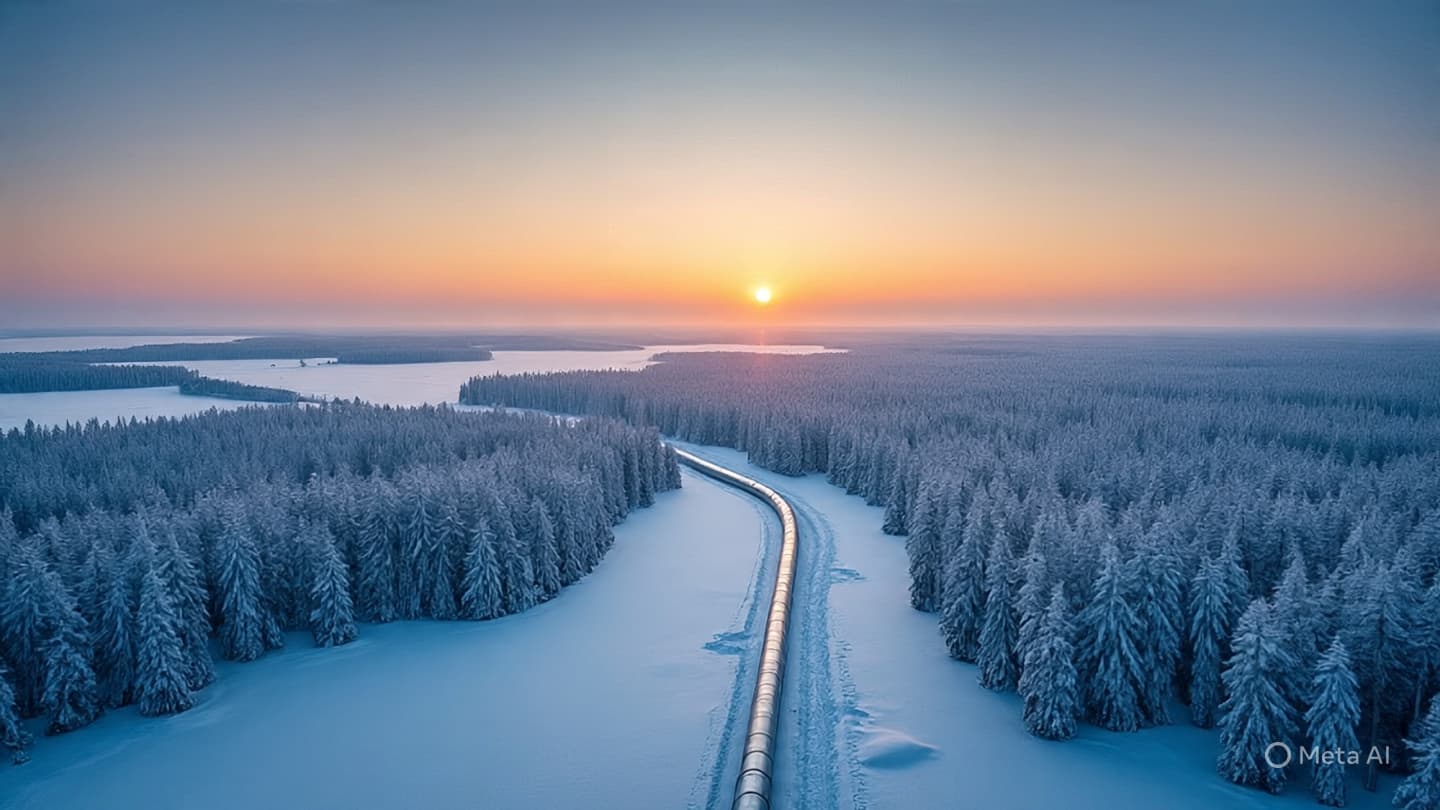
Gazprom has announced a substantial rise in natural gas exports to China through the Power of Siberia pipeline, surpassing daily targets and marking a key milestone in bilateral energy trade.

The Russian Foreign Ministry has formally appealed for an immediate reduction in military tensions within the Red Sea, stressing the need to protect international shipping lanes from further disruption.

Australia’s economic policy undergoes a period of significant refinement as the nation seeks to balance its traditional role as a global resource exporter with a more equitable and transparent fiscal framework.

New Zealand’s industrial and domestic sectors grapple with the escalating cost of electricity, prompting urgent calls for regulatory reform and a strategic overhaul of the national energy grid.

Serbia’s economic landscape faces a period of cautious adjustment as stalled disinflation and global market sensitivity prompt a slowdown in domestic consumer spending and investment.