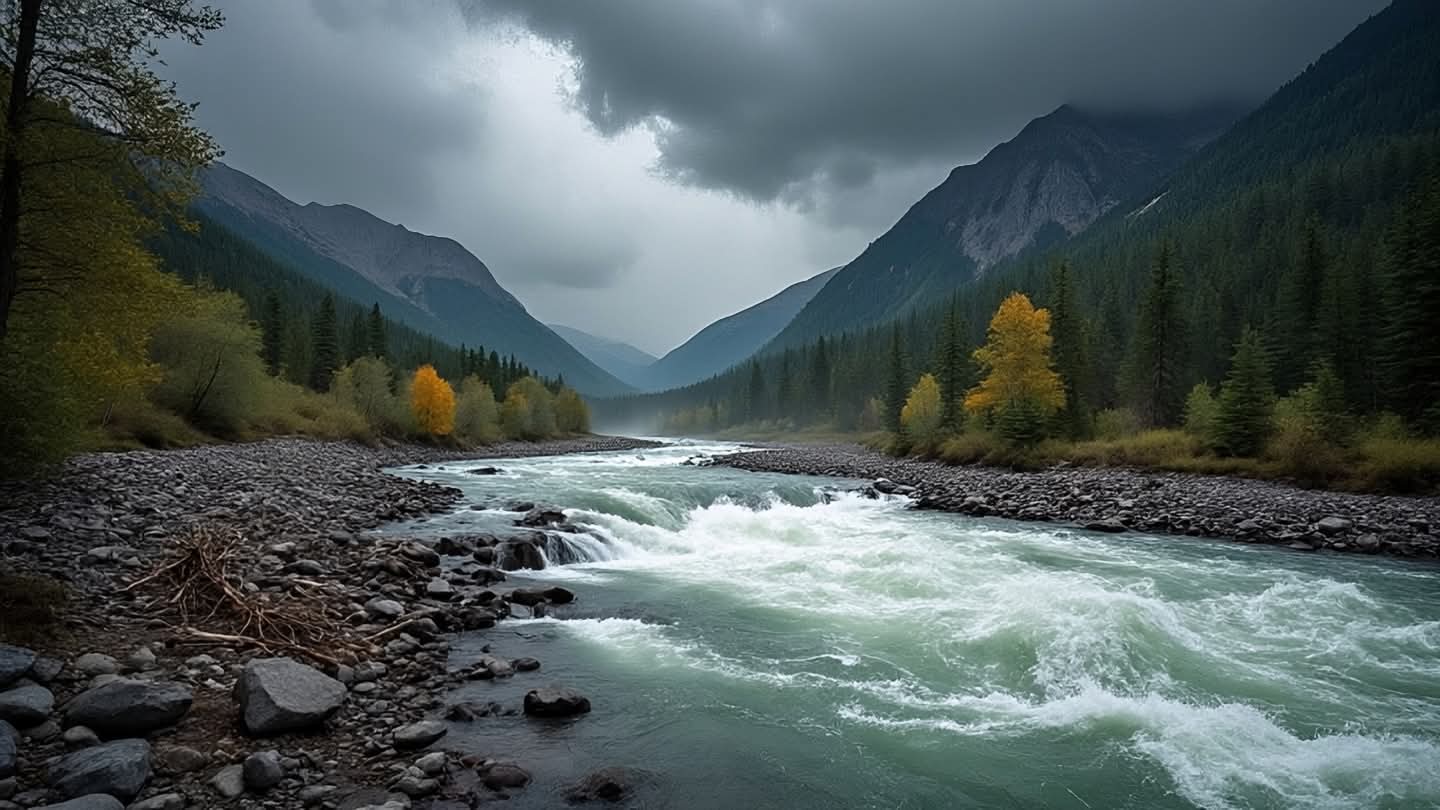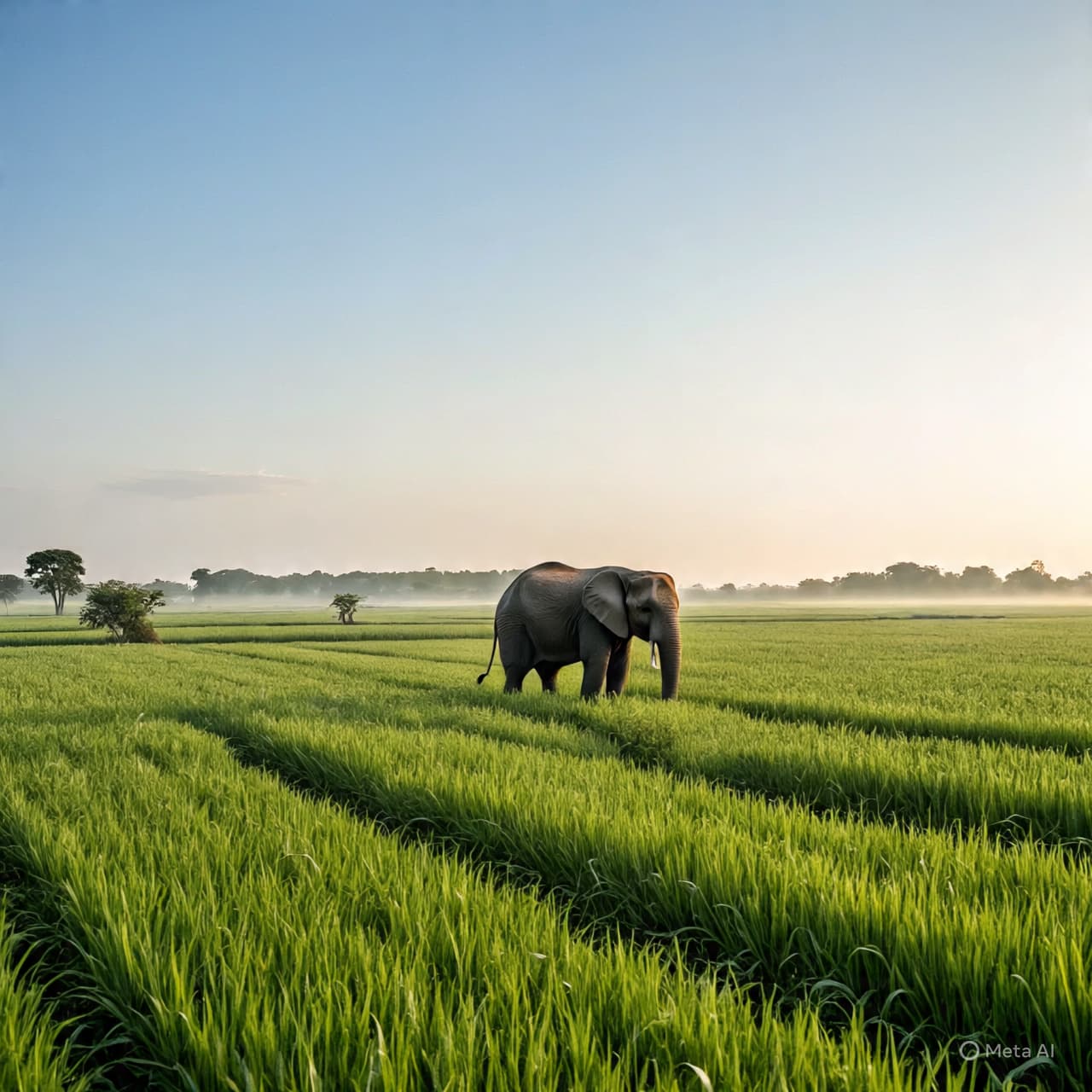
At dawn, the land in rural Zimbabwe often appears calm, stretched wide beneath a pale sky. Fields lie still, fences trace uncertain boundaries, and the distance between village and wilderness feels momentarily manageable. Yet this quiet holds tension, like a pause before footsteps that may not belong to humans alone.
Human-wildlife conflict in Zimbabwe has become a daily negotiation rather than an occasional disruption. As communities expand and wildlife ranges tighten, encounters that once felt rare now arrive with unsettling regularity. Elephants wander into croplands, lions cross paths with livestock, and families wake to loss measured not only in property, but in safety and peace of mind.
The roots of this conflict are layered and slow-moving. Climate change alters water and grazing patterns, drawing animals closer to human settlements. Population growth pushes farming deeper into traditional wildlife corridors. Conservation successes, particularly in elephant populations, add pressure to landscapes that no longer stretch as far as they once did. None of these forces acts alone, and together they blur the lines between protection and survival.
For rural households, the costs are immediate and personal. A single night’s raid can undo an entire season of farming. Livestock losses remove both income and security. Fear reshapes routines, keeping children from school paths and farmers from their fields. The conflict is not abstract; it lives in disrupted sleep and cautious mornings.
Wildlife, too, is caught in this narrowing space. Animals responding to hunger or migration instinct face retaliation, injury, or death. Conservation policies meant to preserve biodiversity can feel distant to communities absorbing the consequences without compensation or voice. Trust erodes quietly when protection appears one-sided.
Efforts to address the crisis exist, though unevenly applied. Community-based conservation programs, early warning systems, and compensation schemes have shown promise where sustained funding and local involvement are present. Education and land-use planning offer longer-term paths forward, though they require patience and political continuity.
The challenge lies in balance rather than blame. Zimbabwe’s wildlife remains a national and global asset, supporting tourism and ecological stability. At the same time, communities living closest to that wildlife bear disproportionate risk. When coexistence becomes synonymous with sacrifice, support inevitably weakens.
In recent policy discussions, Zimbabwean authorities and conservation partners have acknowledged the urgency of the situation. Measures under consideration include improved fencing, expanded community revenue-sharing, and faster response mechanisms to conflict incidents. Progress, however, remains fragile and uneven across regions.
Human-wildlife conflict in Zimbabwe is no longer a peripheral issue. It is a lived crisis unfolding at the edge of fields and forests alike. Its resolution will depend not on choosing between people and animals, but on recognizing that the future of both is increasingly shared.
AI Image Disclaimer
Visuals are created with AI tools and are not real photographs.
---
Sources
BBC Reuters Al Jazeera The Guardian National Geographic
Published by Banx Network. This article is part of the Banx decentralized media programme, powered by the BXE token on the XRP Ledger.