Nature’s power is both majestic and terrifying, capable of reshaping landscapes and lives in an instant. In the high Himalayas, where the air is thin and the terrain unforgiving, a sudden catastrophe has struck, leaving families in Canada and communities in Asia grappling with uncertainty. The report of thirty Canadian citizens missing following severe flooding in the Nepal-Tibet border region is a somber reminder of the risks inherent in exploring some of the world’s most remote and beautiful places.
The floods, described as catastrophic by officials, were likely triggered by heavy monsoon rains or glacial lake outbursts, phenomena that are becoming more frequent due to climate change. The region, known for its trekking routes and spiritual significance, saw water levels rise rapidly, sweeping away bridges, roads, and trails. For travelers caught in the path, escape was difficult, and communication lines were severed almost immediately.
Anita Anand, Canada’s Minister of Foreign Affairs, confirmed the number of missing citizens, highlighting the government’s urgent efforts to locate them. Consular officials are working closely with local authorities in Nepal and China, as well as international rescue teams, to coordinate search and recovery operations. The complexity of the terrain and the ongoing weather conditions pose significant challenges to these efforts.
Families of the missing are experiencing a agonizing wait, balanced between hope and fear. Many of the Canadians were likely trekkers or tourists, drawn to the region for its natural beauty and cultural heritage. Their disappearance has sent shockwaves through their home communities, where vigils and support networks have quickly formed to offer comfort and assistance.
The incident underscores the vulnerabilities of international travel in disaster-prone areas. While adventure tourism brings economic benefits to regions like Nepal, it also requires robust safety infrastructure and emergency response capabilities. This event may prompt a review of safety protocols for trekkers and better early warning systems for flash floods in high-altitude zones.
Climate scientists point to the increasing instability of Himalayan glaciers and weather patterns as a contributing factor. As global temperatures rise, the risk of such catastrophic events grows, posing threats not only to tourists but to local populations who depend on these fragile ecosystems. The flood is a stark indicator of the broader environmental changes affecting the planet.
International cooperation is crucial in such crises. Rescue teams from various countries, including India and Nepal, have joined forces to navigate the difficult terrain. Drones and satellite imagery are being used to identify potential locations of survivors, showcasing the role of technology in modern disaster response.
The Canadian government continues to provide updates to families and the public, urging patience as search operations proceed. Meanwhile, aid organizations are delivering supplies to affected local communities, addressing both the immediate humanitarian needs and the long-term recovery challenges.
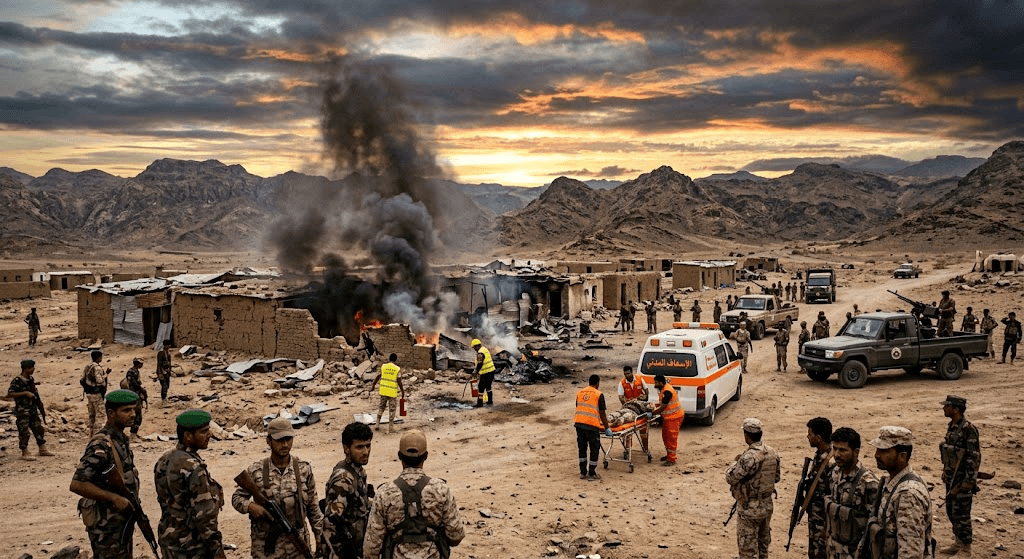
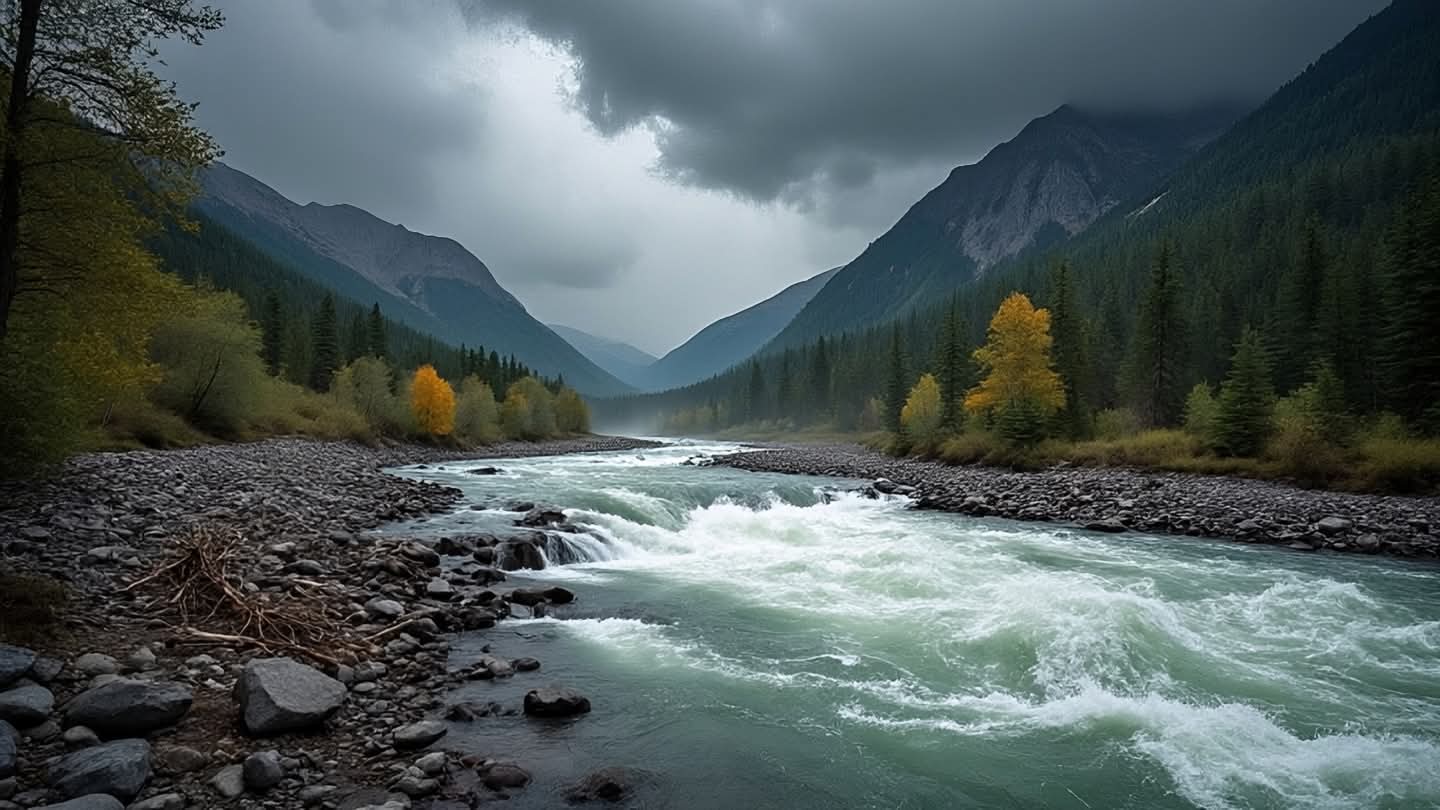
AI Image Disclaimer: The images associated with this piece are AI-generated visualizations intended to represent the themes of natural disaster, rescue efforts, and international solidarity.
Sources: CBC News Global News Reuters Associated Press
Published by Banx Network. This article is part of the Banx decentralized media programme, powered by the BXE token on the XRP Ledger.